

Source: The Conversation – Africa
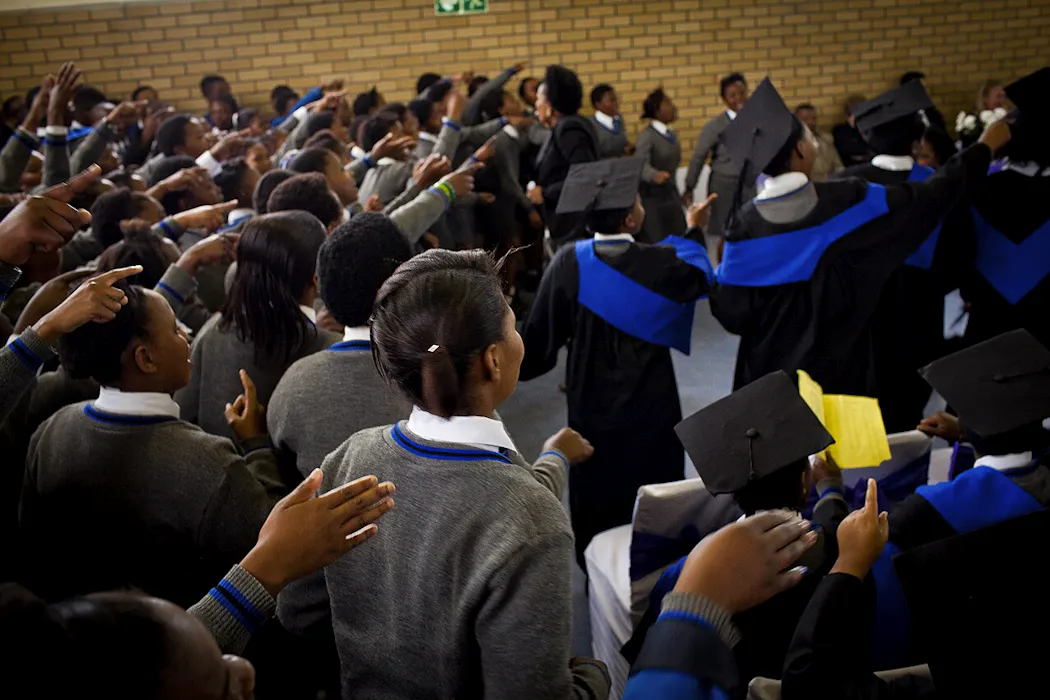
More than 345,000 grade 12 learners in South Africa qualified for university entrance in the 2025 school leaving exam – 46% of those who passed. This was the largest number yet, more than double the figure a decade earlier.
But qualifying for university and being ready for university are not the same thing.
University asks students to work with greater independence, engage critically with sources, construct arguments, conduct research and adapt to unfamiliar forms of teaching and assessment. Pupils do not all arrive equally prepared to practise these ways of learning.
Read more:
Getting through school in South Africa: how learners make it to the end after a poor start
The national Department of Basic Education and Department of Higher Education and Training have been looking at ways to support a smoother transition from secondary schooling into post-school education, training and work.
My academic work focuses on research into policies in this area and the evaluation of educational programmes. In a recent study I worked with Nicola Vermooten, senior advisor and board member of an organisation called AccessEd, to examine a programme that aims to bridge the transition from high school to university.
The AccessEd Scholars Programme was set up by AccessEd ZA, which launched in 2017 in partnership with the nonprofit organisations LEAP Schools and IkamvaYouth and African School for Excellence. I am a board member of AccessEd. It works with school pupils in underserved South African communities and uses postgraduate university students as tutors and near-peer mentors. Pupils carry out their own research projects, academic writing, discussion and other practices associated with university study.
Our research covered four secondary schools in the mostly urban province of Gauteng, where there are eight universities. We analysed 100 pupil self-evaluations, 20 tutor feedback forms, feedback from six lead teachers, observations of six tutoring sessions and 50 pupil assignments.
Three findings stood out:
-
after being tutored, pupils appeared to become more confident and active in their learning
-
the assignments showed pupils practising academic skills they would need at university
-
mentorship mattered.
The study shows there’s value in giving pupils opportunities to experience some of the ways of learning they are likely to encounter at university before they arrive there.
We conclude that the transition to university should be treated as something pupils prepare for over time, rather than something that begins after they’ve finished their schooling.
Among our recommendations, we suggest schools could provide earlier and more sustained exposure to research-based learning, analytical writing and independent inquiry. And that universities could build stronger partnerships with schools and create structured opportunities for postgraduate students to serve as mentors.
Learning from school pupils
The four schools in our study were in urban and peri-urban communities with constrained resources. It was rare for pupils from these areas to go to university. The participants were grade 12 and grade 9 learners enrolled in the AccessEd Scholars Programme, as well as postgraduate tutors and teachers who ran the programme in the schools.
Pupils were asked about their academic confidence, engagement with learning, familiarity with research and aspirations for higher education. Tutors and teachers were asked about pupil engagement, teaching approaches and the programme’s contribution to learning.
In 73 of the 100 evaluation forms, pupils explicitly described confidence in their learning. One wrote:
I used to be scared of asking questions, but now I’m confident.
We also observed sessions of university-style tutorials, covering activities such as research methods, academic writing and research ethics. We noticed that pupils who were initially hesitant increasingly asked questions, contributed ideas and approached academic tasks more independently.
This matters because university readiness is not simply about knowing more content. It also involves having the confidence to participate, question ideas and work independently in unfamiliar academic environments.
Among the work assessed, 78% of grade 9 pupils and 85% of grade 12 pupils demonstrated proficiency in research and source integration. These were final assignments completed after the programme; the study did not match them to a comparative assignment before the programme. Their work also showed argument development, engagement with different perspectives and critical thinking.
Postgraduate tutors who acted as mentors did more than explain academic content. They gave pupils contact with people already at university. Teachers and tutors reported that this helped demystify higher education and made academic success appear within reach.
Preparing pupils before they reach university
The findings are encouraging, but they should be read in context. Our study focused on four Gauteng schools and did not follow pupils into university. So we cannot say whether the changes we observed translate into longer-term academic success.
And it does not mean that every school needs an AccessEd programme.
But it suggests that research, academic writing, questioning, discussion and independent thinking need not begin in a first-year lecture hall.
Read more:
Life after school for young South Africans: six insights into what lies ahead
The mentorship element is particularly important. Postgraduate tutors are close enough to the university experience to explain what will be expected of students. Mentorship is not only academic support but also a way to make higher education less unfamiliar.
Beyond one programme
The government’s work on improving the fit between basic and post-school education makes a conversation about the findings timely. Both aim to make the transition work better, so that school leavers have a stronger chance of success. Expanding initiatives of this kind would require sustained funding and partnerships between schools, universities, government and other funders.
Read more:
South African university programmes to support black students aren’t working. What needs to be done
South Africa understandably pays close attention to grade 12 pass rates. But these numbers tell only part of the story. As more young people become eligible for higher education, greater attention is needed on whether they have had opportunities to develop the confidence and academic practices that universities expect.

Lesedi Senamele Matlala does not work for, consult, own shares in or receive funding from any company or organisation that would benefit from this article, and has disclosed no relevant affiliations beyond their academic appointment.
Original source: https://analysis1.mil-osi.com/2026/10/26/going-to-university-is-a-big-change-from-school-but-mentors-help-study/