

Source: The Conversation – USA (3)
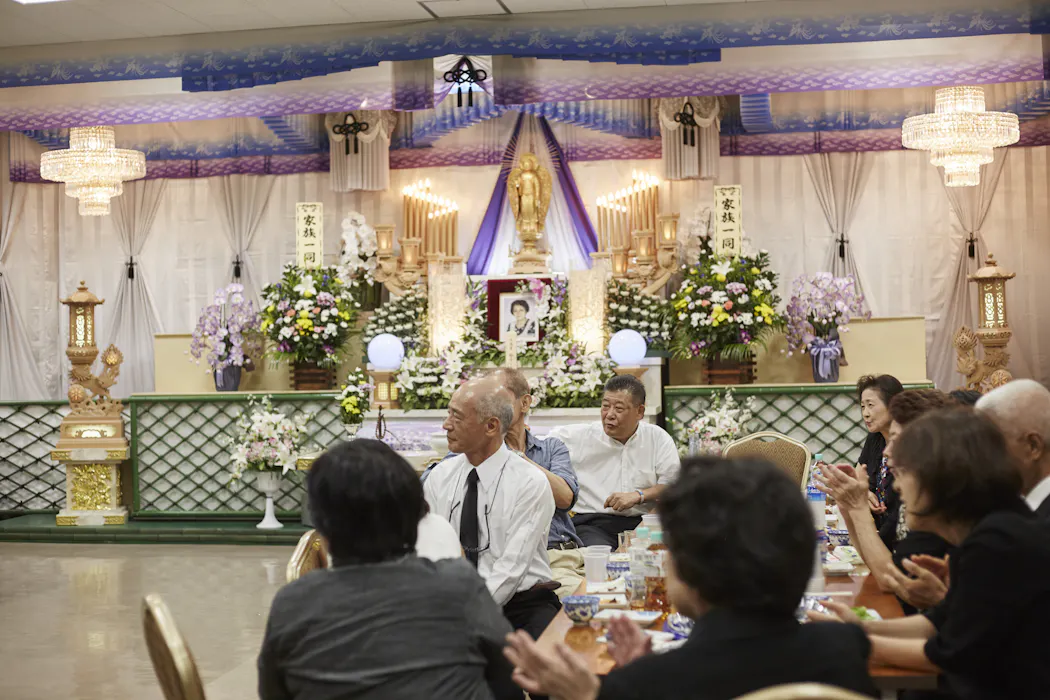
Whenever I drive amid the mazelike bustle of Tokyo’s Shuto Expressway, where approximately 1 million vehicles transit daily, I see billboard advertisements for all manner of businesses: dentists, hotels, car and tire companies, and affordable funerals. Lots and lots of funerals.
For generations, Japan’s funeral system rested on family and community networks and Buddhist temples. Together, they sustained the traditional system of burials into the 20th century.
Today, Japan is facing a crisis of funerals and burials. Funerals averaged approximately 1.2 million yen or about US$7,600, according to a 2024 national survey – approximately one-quarter of an average Japanese worker’s annual gross earnings.
Consequently, many Japanese are thinking about whether to continue burial traditions that will place on their children and grandchildren the financial, logistical and emotional costs associated with maintaining the family grave. Japan’s falling birthrate means there are fewer people to care for their ancestors’ graves, which has made the problem more urgent.
As a professor of religion who researches death rituals, I am struck by the innovative death rituals that are emerging in Japan, where I was born and raised. These new rituals reshape some traditions but preserve the importance of remaining connected with the dead.
Cremation and burial cost
Japanese funerary rites involve both cremation and burial. First the deceased is cremated, then their bones are buried, typically weeks, months or years after cremation.
Cremation is overwhelmingly standard for Japanese burials today, with between 99.7% and 99.9% of the deceased cremated. In any given year, fewer than 400 people are buried without cremation.
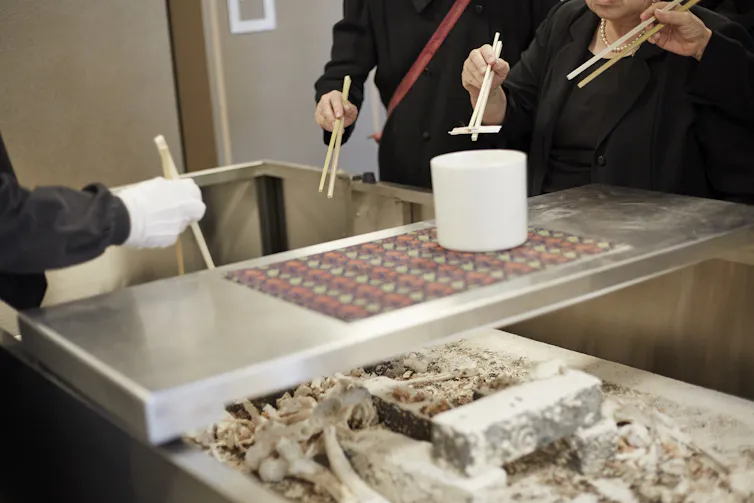
After the deceased is cremated in a coffin, family members place some or most of the bone fragments into a funerary urn. Family members take the urn home to be placed on a Buddhist altar. The bones are later interred in a grave, ossuary or columbarium – “nōkotsudō” – which are permanent structures where bones are interred in compartments.
Arrow/DigitalVision via Getty images
Traditionally, mourners at Japanese funerals bring a cash gift to offset the cost of funerals. Protocol dictates that the family of the deceased later send return gifts that are worth half the value of the cash gift that was given. These are typically gift boxes of coffee or tea, or elegant but pragmatic items, such as high-quality towels or soaps, sent within a few weeks of the funeral.
Post-death Buddhist rituals are held weekly through the 49th day and then continue periodically, at minimum, until the third death anniversary.
The price for a grave and interment are in addition to the funeral costs. Purchasing a grave means buying the headstone and use of the plot; the temple, municipal cemetery or private cemetery owns the land itself.
In 2025, a gravestone, plot and cemetery-use fees amounted to 1.52 million yen – close to $10,000. The combined costs of an average funeral and average grave are equivalent to almost 60% of of an average worker’s annual salary.
Costs do not end after cremation, funeral and burial. Municipal and private cemeteries charge annual fees for land maintenance. There are additional fees for Buddhist rituals to be performed at the grave, which are believed to benefit the deceased in the afterlife.
Most Tokyo municipal cemeteries charge less than $40 per year. These costs fall on descendants, who also traditionally visit and maintain the grave, make offerings and keep the grave and surrounding area neat and tidy.
Graves can be effectively repossessed by the cemetery or temple if they are abandoned and annual maintenance fees go unpaid. The bones in a repossessed grave are then reinterred in a communal ossuary or columbarium.
Tree burials and other adaptations
The combination of a shrinking population, limited grave plots and costs that continue in perpetuity make alternatives to a traditional grave attractive.
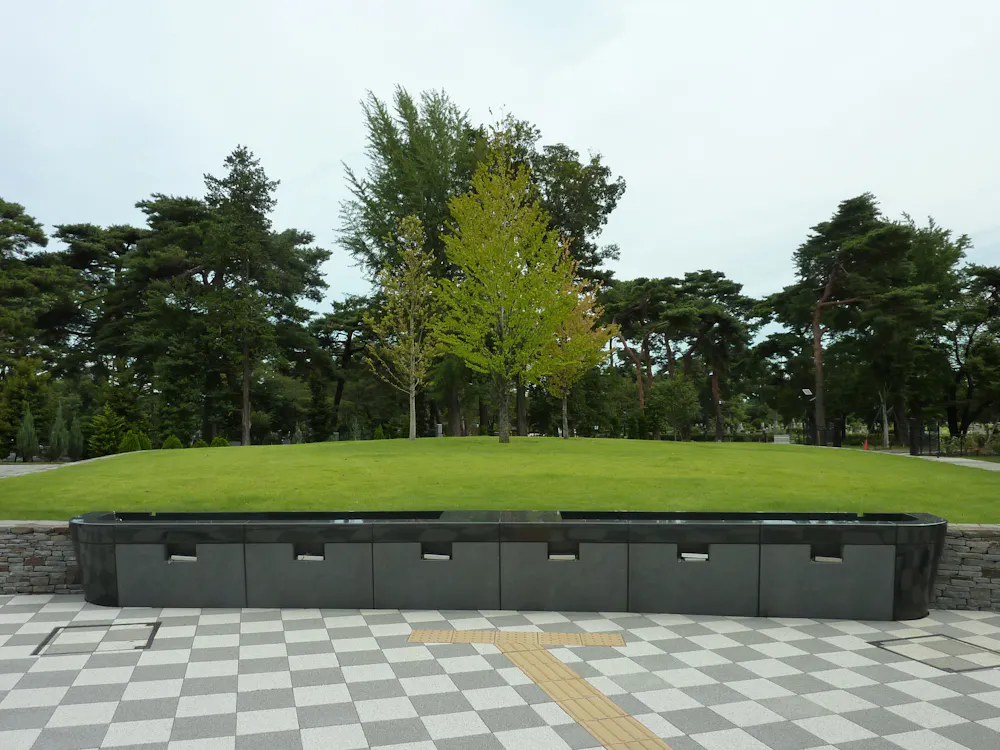
These include “tree burials,” known as “jumokusō,” where the deceased’s bones or ashes are buried in or around a tree. Tree burials are becoming increasingly popular, with a 2022 consumer survey indicating that they account for just over 40% of all new graves.
K3JACK via Wikimedia, CC BY-SA
Two Tokyo Metropolitan public cemeteries now offer “Forest Type” – “Jūrin-gata” – burial, where cremated remains in silk bags are interred into a designated plot of land. A living individual can reserve a burial spot and know that there will be no management fees in perpetuity.
This is in contrast to regular Tokyo Metropolitan public cemeteries’ graves, for which an individual cannot reserve a spot while still alive. Grave plots are first-come, first-served, and since death is unpredictable, graves cannot be reserved in advance.
Some opt for ossuaries and columbariums, which exist in various styles, from more traditional Buddhist altar-style compartments to modern locker-style housing for the urns. There are even automated columbariums, where urns are stored in a centralized system and then retrieved mechanically and placed in a private memorial cubby when a family visits to pay respects to their loved ones. There are also communal ossuaries, where the deceased’s bones are mixed with the bones of others, either immediately or after a certain period of time.
Bone buddhas and other innovations
Arrestingly beautiful but rare are the bone buddhas – “kotsubotoke” – statues of Amida Buddha, or Buddha of Infinite Light. They are made from the partial remains of tens and sometimes hundreds of thousands of individuals’ cremated remains that have been pulverized into fine ash before being compressed into sculptures.
Amida Buddha is especially important for Japanese death practices. Devotion to the Amida Buddha is associated with a good death and rebirth in the Pure Land, a domain believed to be conducive to attaining buddhahood and enlightenment.
Historically, these bone buddhas were a creative innovation that offered a beautiful solution for temples with a difficult problem: what to do with the bones left in their care of those who had nobody to claim their remains, such as the poor, travelers and foreigners.
Today, the few temples that offer this rare practice accept full or partial bones – even just several grams of bones – which are collected and held at the temple until there are sufficient bones to construct a bone buddha.
Others opt for “hakajimai,” or grave-closing, in which the urns buried in a family grave are disinterred and the bones are reinterred elsewhere, such as a communal ossuary. Abandoned and neglected graves are seen as a blight – emblematic of the collapse of the traditional family system of caring for the dead. The process of “hakajimai” ends the family’s responsibility for maintaining the family grave and paying regular dues.
People opt for “hakajimai” because it ends the logistical, financial and emotional costs of maintaining the family grave and does not pass on those burdens to the next generation.
How the living interact with the dead
In Japan, the dead remain part of the social worlds of the living. Family relationships and ritual obligations maintain the connections of the dead and the living across generations.
Traditional rituals are becoming difficult to sustain. Nevertheless, people are still finding ways to remain connected to the dead. Changing burial practices is one way in which people are reshaping old traditions to accommodate modern demands.

Mimi Hanaoka does not work for, consult, own shares in or receive funding from any company or organization that would benefit from this article, and has disclosed no relevant affiliations beyond their academic appointment.
Original source: https://analysis1.mil-osi.com/2026/10/21/japans-expensive-funerals-and-declining-birth-rates-are-transforming-ancestral-traditions/