

Source: The Conversation – UK
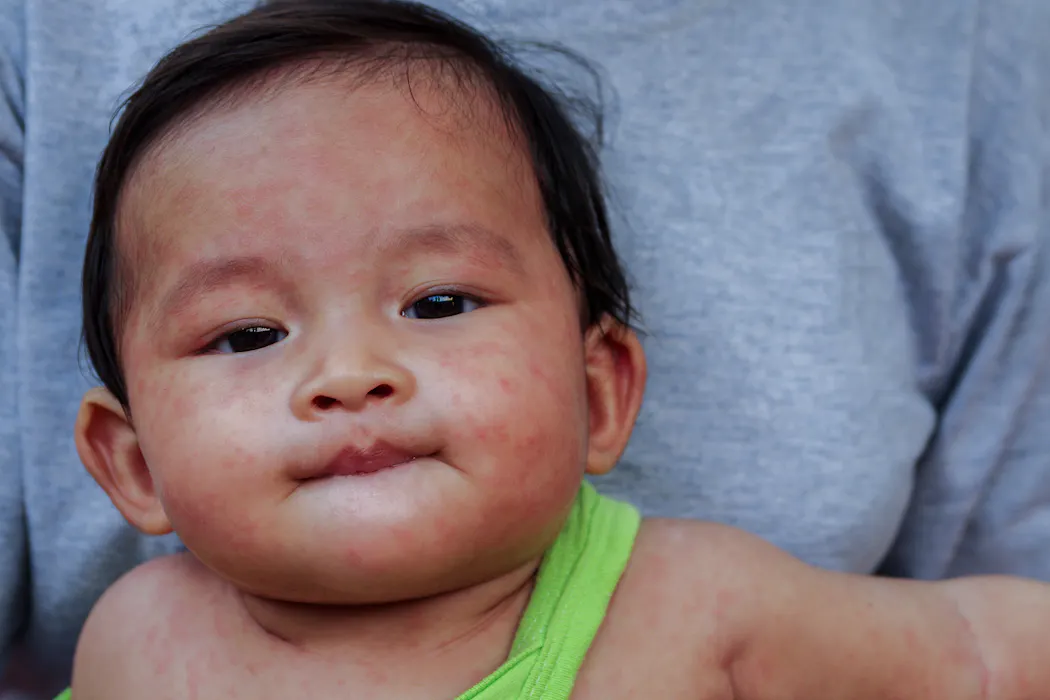
Three measles-related deaths have been reported in England in 2026. One child died from an acute infection, another from the long-term effects of measles, and an adult with an underlying immune condition also died.
Yet misconceptions about vaccination persist, including the belief that improved hygiene and sanitation have made vaccines unnecessary. Why do such claims continue to attract support when the evidence for vaccination is so strong?
Vaccination’s success partly explains this. In highly vaccinated countries, diseases that once killed or disabled millions have become so uncommon that many people have never witnessed their consequences. As the threat of disease becomes less visible, the perceived risk of vaccination can begin to outweigh the perceived risk of infection.
Vaccine scepticism also reflects concerns about personal freedom and distrust of pharmaceutical companies or governments. Research identifies confidence in vaccines, perceived disease risk and access as important influences on vaccination decisions.
Social media can amplify misleading claims. A 2024 review linked seeking information on social media with less favourable attitudes towards COVID-19 vaccines, although findings varied.
What happens when vaccination rates fall?
In January 2026, the World Health Organization confirmed that the UK had lost its measles elimination status. This followed evidence of sustained transmission in 2024.
England recorded 2,911 laboratory-confirmed measles cases in 2024, the highest annual total since 2012. Cases fell to 958 in 2025, but had already reached 1,030 by 12 October 2026, with children aged ten and under accounting for 61%.
In 2025-26, only 83.8% of children in England had received both doses of the MMR vaccine by their fifth birthday, well below the 95% target needed to help prevent outbreaks.
By 8 October 2026, the US had recorded 4,080 confirmed measles cases, exceeding the total for the whole of 2025.
Although most people recover from measles, it can cause pneumonia, inflammation of the brain (encephalitis), hearing loss and death. Rubella during pregnancy can cause miscarriage or serious congenital abnormalities. Polio can cause paralysis, while whooping cough can be fatal for young infants.
Did sanitation improvements defeat infectious diseases?
Vaccine critics sometimes argue that infectious diseases were already declining before vaccination, thanks to improved sanitation and nutrition. There is some truth to this historical observation. Better sanitation reduced the spread of waterborne infections such as cholera and typhoid, while better nutrition and healthcare helped people survive infections. But these improvements cannot explain the dramatic fall in measles following vaccination.
Before measles vaccination was introduced in 1968, England and Wales recorded between 160,000 and 800,000 measles notifications annually, with around 100 deaths each year. Cases subsequently fell dramatically as vaccination coverage increased.
Smallpox was eradicated through global vaccination and surveillance programmes. Worldwide cases of polio caused by wild poliovirus have fallen by more than 99% since 1988.
A 2024 study estimated that vaccination programmes prevented 154 million deaths worldwide between 1974 and 2024, most of them among children under five.
How do vaccines protect people?
Vaccines prepare the immune system to recognise an infectious organism before someone encounters it. Different vaccines achieve this in different ways. Some contain weakened or inactivated pathogens, while others contain harmless components of them. Messenger RNA (mRNA) vaccines provide instructions that allow the body’s cells to produce a particular antigen, a substance recognised by the immune system.
These approaches stimulate immune responses, including the production of antibodies and the development of memory B and T cells. If someone later encounters the pathogen, the immune system can respond more rapidly and effectively.
Vaccines cannot always prevent infection, but they can substantially reduce the risk of serious disease.
Critics sometimes claim that combined childhood vaccines, such as the measles, mumps, rubella and chickenpox (MMRV) vaccine or the six-in-one vaccine, overwhelm a child’s immune system. Scientific evidence does not support this concern.
Addressing concerns that multiple vaccines could cause autism, a US study comparing 256 children with autism and 752 without autism found no link between the condition and exposure to vaccine components that stimulate the immune system.
A separate Danish study involving 657,461 children found no increased risk of autism following MMR vaccination.
People should be able to make informed decisions about medical treatment. However, infectious diseases introduce a complication: one person’s vaccination decision can affect other people’s health. High vaccination coverage helps limit the circulation of infectious diseases through what is known as herd immunity. That protection depends on maintaining high uptake across communities, rather than relying on national averages.
This helps protect people who cannot receive certain vaccines or may respond poorly to them, including young infants and people with suppressed immune systems.
For measles, at least 95% coverage with two doses of a measles-containing vaccine is needed in each community to help prevent outbreaks.
Why trust remains important
Concerns about pharmaceutical companies cannot simply be dismissed. The industry has a history of genuine misconduct, including GlaxoSmithKline’s 2012 guilty plea involving unlawful marketing and failure to report safety information about certain prescription medicines. Such cases demonstrate why independent regulation and transparent safety monitoring are necessary. They also help explain why some people are wary of reassurances from the industry itself.
Vaccines, like other medicines, can cause side effects. Most are mild, such as soreness at the injection site or a temporary fever. Serious allergic reactions are extremely rare. One large US study, for example, estimated approximately 1.3 cases of anaphylaxis, a severe allergic reaction, per million vaccine doses.
Ongoing studies and monitoring programmes investigate suspected adverse reactions.
Public health communication also needs to acknowledge uncertainty and take people’s questions seriously. Dismissing concerns without explanation can reinforce existing distrust.
Read more:
Vaccine mis- and disinformation isn’t just a threat to public health, but also to our autonomy
Restoring confidence requires clear information about what vaccines can and cannot do, alongside accessible vaccination services and honest discussion of potential risks.
The return of measles demonstrates what happens when protection against infectious diseases weakens.
Vaccination substantially reduces the risk of serious illness while helping protect people who are especially vulnerable. Its success should not cause societies to forget why it became necessary.

Dan Stratton does not work for, consult, own shares in or receive funding from any company or organisation that would benefit from this article, and has disclosed no relevant affiliations beyond their academic appointment.
Original source: https://analysis1.mil-osi.com/2026/10/16/vaccines-have-been-so-successful-that-some-people-have-forgotten-why-we-need-them/