

Source: The Conversation – UK
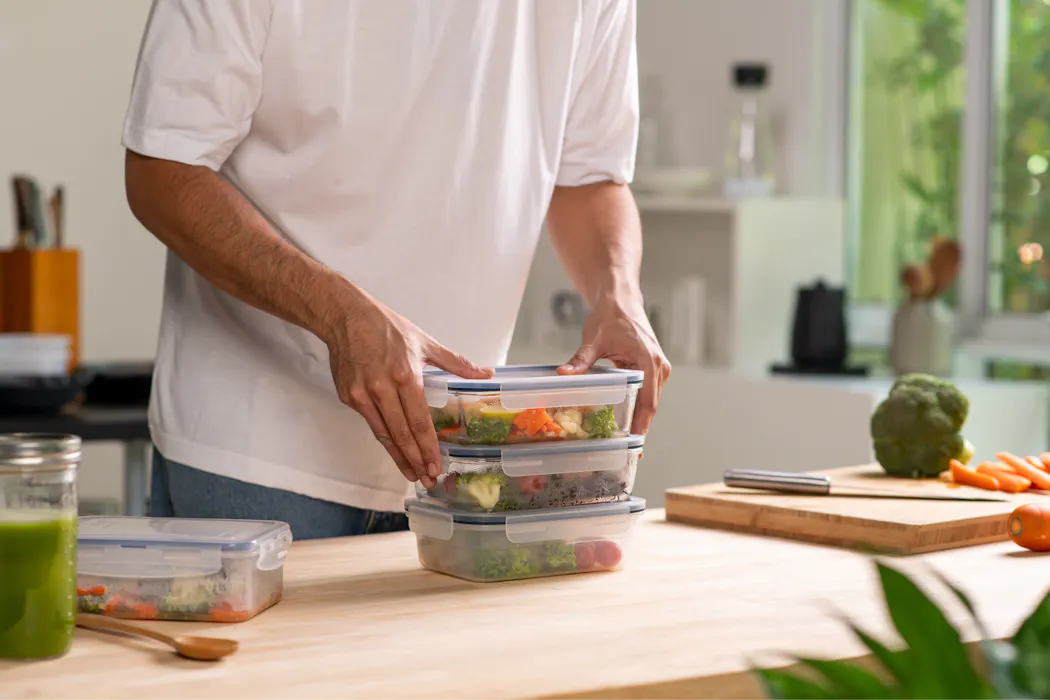
Meal prepping is a great way to save money, spend less time in the kitchen and stick to a meal plan. But while cooking meals for the week ahead may be convenient, there can be real risks associated with eating bulk-cooked meals.
It’s not that bulk-cooked meals are inherently a food safety issue. Rather, it comes down to how the food is stored for later. So if you’re someone who likes to meal prep, here’s my advice as a microbiologist on how to do it safely.
Cleanliness is key
Good hygiene is important during every step of meal prepping.
Wash your hands in soap and hot water before and after handling raw food. This is because meat and even fresh produce can carry bacteria and viruses that cause food poisoning, such as E coli, Salmonella and Listeria.
Kitchen work surfaces and any equipment, such as chopping boards, used in raw food prep should also be disinfected to kill any pathogens and prevent cross-contamination between raw and cooked foods.
To thoroughly clean kitchen work surfaces prior to cooking, use a paper towel to remove any obvious dirt or grease, then spray the surface with a food-safe kitchen disinfectant. Allow the surface to dry before use, and repeat the process after cooking.
Read more:
Dirty tea towels are breeding grounds for harmful bacteria – here’s how to clean them properly
Ensuring pots and pans are clean before cooking your meal is also important. This will minimise the number of germs that get into cooked meals.
It’s also a good and considerate idea to not meal prep if you have an upset stomach – especially if you’re prepping foods for someone else. This is particularly important if your illness is caused by an enteric virus, such as norovirus. Even if you carefully follow hygiene rules, it’s still possible to pass on germs through cooked meals.
Check your temperatures
Cooking raw ingredients to a safe temperature is essential in meal prepping. Any under-cooked food is risky to eat and re-heat – and it could cause food poisoning.
Raw meat – and indeed all foods – should be cooked until it has reached the recommended germ-killing core temperature of 75°C for at least two minutes. Use a cooking thermometer to check different areas of any meat or dish you’ve made to ensure it’s thoroughly cooked.
Keep it cool
Any meals you’re going to save for leftovers should be cooled within two hours of preparation and stored at a low temperature. This will minimise germ growth.
The heat retention of bulk-cooked food can be a problem as the heat may not be escaping fast enough to cool down the food quickly. This can lead to germ growth during the cooling process as indoor air contains bacteria, fungi and other microbes that can be deposited on uncovered food.
Okrasiuk/ Shutterstock
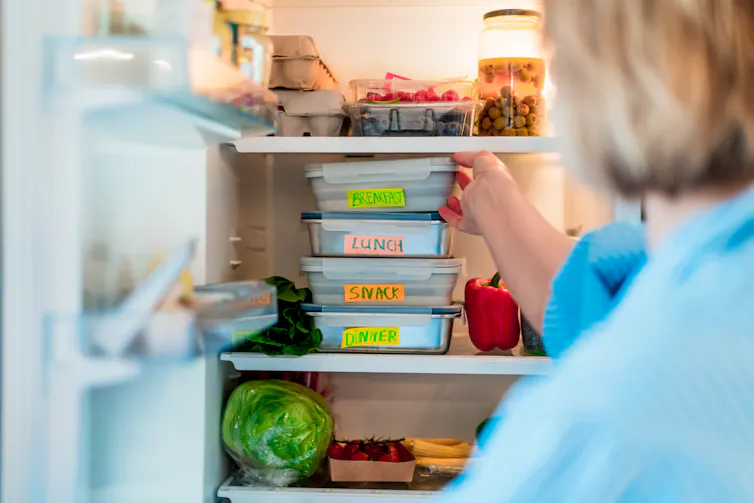
Dividing batch-cooked meals into smaller portions and putting them in storage containers can speed up cooling. You can also place containers on a baking sheet, then sit them on a bed of ice to cool quickly and safely. Or you can run them under cold water. Just make sure the leftovers are in waterproof containers or bags to avoid water contamination. Cooling quickly will help to minimise germ growth.
Once in the fridge, meals need to be stored covered (as there are microbes in the air in fridges) and eaten within two to three days. Fridges only inhibit the growth of harmful bacteria when temperatures are 5°C or lower.
If you prep more portions than you can eat within two days, freezing is your best option. Frozen meals can be kept long-term so long as they’re stored at -18°C – though taste and texture tend to decline when stored for long periods of time.
When to follow the 24-hour rule
Most meats and vegetables can be stored for a few days – but some higher risk foods should be eaten more quickly.
Minced meat is one of them. When minced meat is processed and ground up, any pathogens that might have been present in the meat before processing can be spread throughout the rest of the meat. It’s therefore important to very thoroughly cook minced meat to at least 75°C.
Rice and pasta are also popular in many batch-cooked dishes. But such foods can also pose a food poisoning risk as well. This is because they contain spores of Bacillus cereus, a bacterium that prefers starchy foods.
Although B cereus cells are killed by cooking temperatures, the endospores that it makes (which contains the cell’s DNA) are highly heat stable. This means the endospores can sometimes grow into cells once a food cools.
Freshly-made dishes that combine meat with rice or pasta are usually safe to eat within a 24-hour storage window. But, if such dishes are kept in the fridge for longer than 48 hours, the likelihood that the B cereus endospores will start growing B cereus cells increases. This contamination can then spread from the starchy food to the meat.
If you aren’t planning to eat the batch-cooked meals within the next day, it’s safer to store them frozen.
It’s also a bad idea to prep a salad in advance of eating it. This is because most salads containing lettuce already have a microbial presence, which only increases once the salad has been exposed to air. Any proteins, dressings or other ingredients added to the salad can further contribute to microbial growth. As such, it’s a good idea to only prep salad if you plan to eat it immediately.
Only reheat once
You should only ever reheat meal prepped foods once. This is because repeatedly changing the food’s temperature gives more chances for bacteria to grow, which could lead to food poisoning.
It’s particularly important meals are reheated until steaming hot (at least 60°C). This will kill any bacteria that may be present.
Meal prepping can be useful. By following these tips, you can also ensure your meals are safe.

Primrose Freestone does not work for, consult, own shares in or receive funding from any company or organisation that would benefit from this article, and has disclosed no relevant affiliations beyond their academic appointment.
Original source: https://analysis1.mil-osi.com/2026/10/09/how-to-meal-prep-safely-a-microbiologists-step-by-step-guide/