

Source: The Conversation (Au and NZ)
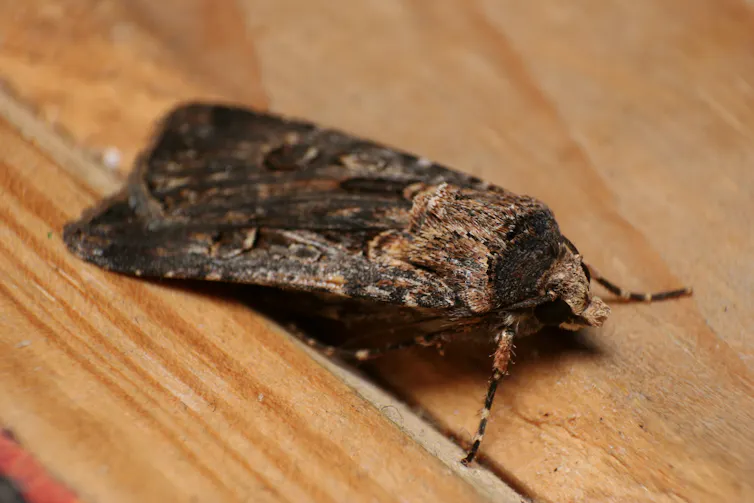
Millions of people worldwide watched on as the Sydney Olympics came to a close in 2000. Meanwhile, thousands of bogong moths (Agrotis infusa) were airborne, making their annual migration to the Australian Alps.
These bogong moths swarmed in such large numbers that the rain radars showed a storm approaching Sydney. The bright lights of Stadium Australia, where the closing ceremony was unfolding, had lured them in.
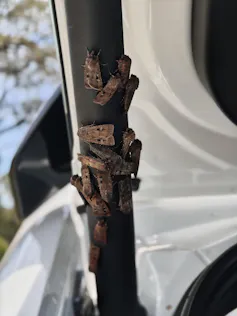
As an entomologist, I’m fascinated by insects. This year, the bogong moth population has exploded along Australia’s east coast, with people discovering these insects in every nook and cranny of their homes.
The current resurgence offers scientists valuable information about the health and abundance of the bogong moth population. But they aren’t the only insects worth watching.
Andrew Waugh/Getty
Bogongs bouncing back
Bogong moths are small, brown insects that typically fly at night. Each year, they embark on a magical migration, travelling up to 1,000 kilometres across Australia.
Caitlyn Forster
By following the stars, they are able to navigate to the cool caves of the Snowy Mountains in southern New South Wales, where they shelter during the sweltering summer. These moths then return to inland Australia to mate, lay eggs and repeat this migratory cycle.
In recent decades, the bogong moth population has dramatically declined. Numbers fell by 99% between 2017 and 2019 alone. Like many other insects, bogong moths face multiple pressures including habitat destruction, drought and climate change. Light pollution may also hamper their ability to navigate during their mammoth migrations.
But this year, bogong moths have reappeared in remarkable numbers, particularly on the east coast of Australia. Two years of high rainfall have likely boosted the population by creating ideal breeding and feeding conditions. Strong winds may have also knocked the moths off their course, causing them to congregate in and around Sydney.
Many of us, myself included, have never witnessed bogong moths gather in such numbers. This means the public maybe be completely unaware of their decline, a concept known as “shifting baseline syndrome”. This is the idea that what younger generations understand to be a healthy natural environment is based on their own observations.
For example, a young Australian may think seeing very few bogong moths is “normal”. But an older Sydneysider, particularly if they were tuned into the 2000 Olympics, would remember when bogong moths were everywhere.
This matters for conservation. Knowing if an insect is thriving, stable or in decline can shape how much younger generations care about its survival. Once they understand these trends, we can teach them to observe and appreciate these creatures in everyday life.
Other insects worth watching
Bogong moths are hard to miss, particularly in such vast swarms. However, many of our rare and threatened insects have similarly had a resurgence, even from the brink of extinction. And ordinary people have helped rediscover them.
KarenHBlack/Getty
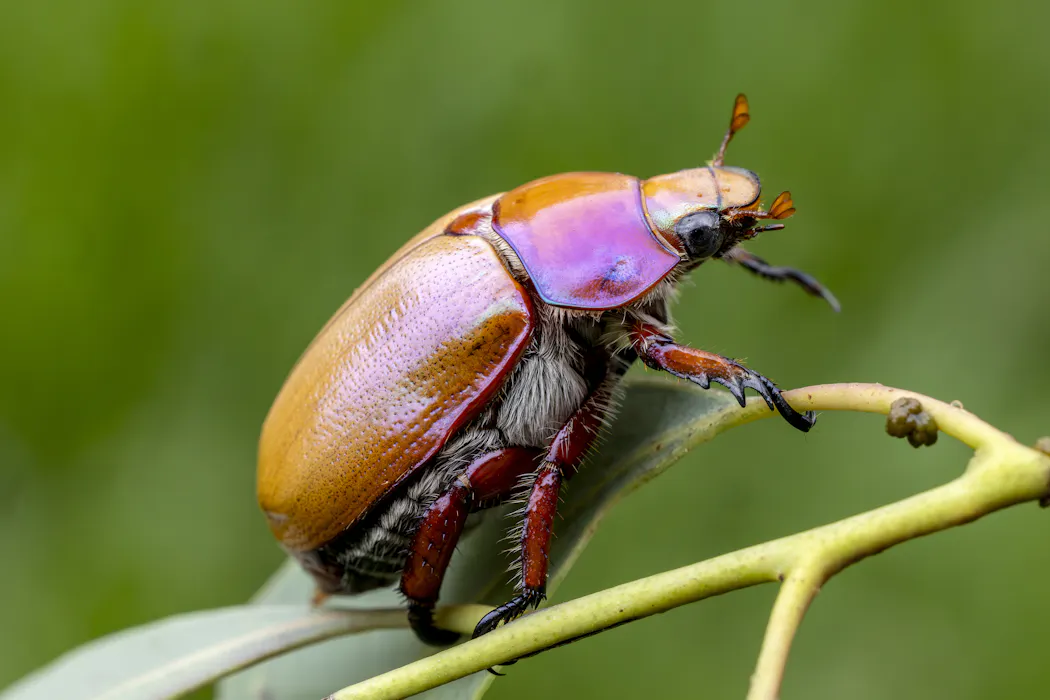
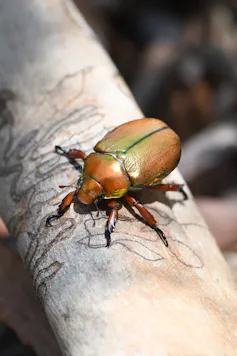
Citizen scientists have collected vital data about Christmas beetles (Anoplognathus). Across eastern Australia, these vibrant-hued critters used to emerge in their millions around December, just in time for Christmas. Tragically, Christmas beetles have become rarer in recent decades, possibly because of habitat destruction. Australia has no formal Christmas beetle monitoring program, so citizen scientists are helping researchers monitor the health of our surviving Christmas beetle populations.
Citizen science has also been crucial to the discovery of new stick insect species and even an unknown type of spider, found by someone appreciating the wildlife on their bin.
Stop – and spot more insects
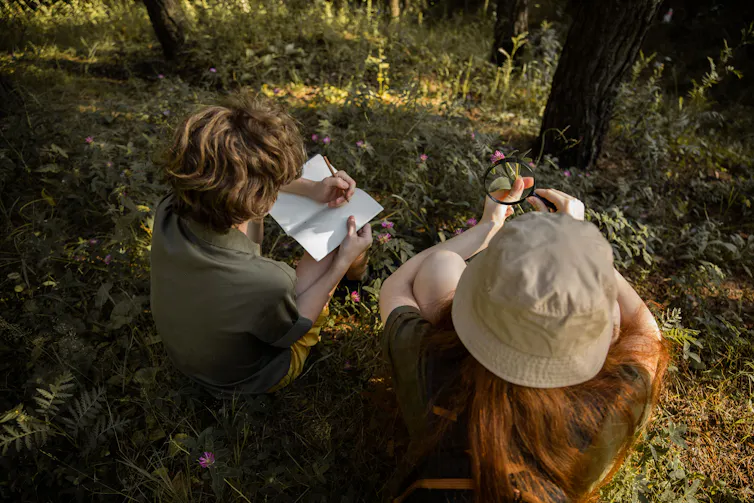
Here are some tips to help you, your child or your science-loving friend pay more attention to the world of insects.
-
if you stumble across a bogong moth, take a moment to marvel, rather than simply letting them outside or killing them
-
listen out for cicadas, which typically start buzzing in spring
-
stare at some flowers, noticing any bees or insects hovering around them
-
look for iridescent Christmas beetles, which usually emerge from the soil in late spring.
You can also help monitor insect populations by taking photos of any insects you spot. If you see any bogong moths, you can upload them to Moth Tracker or iNaturalist. These online platforms help scientists monitor their population and track their migrations.
To make people care about our insects, particularly our most rare and vulnerable species, we can encourage them to get out in nature. Spring is the perfect time to do just that.
Katrin Bolovtsova/Pexels

Caitlyn Forster is affiliated with Invertebrates Australia, and currently teaches entomology at The University of Sydney
Original source: https://analysis1.mil-osi.com/2026/10/09/from-bogong-moths-to-christmas-beetles-how-to-slow-down-and-spot-more-insects/