

Source: The Conversation (Au and NZ)
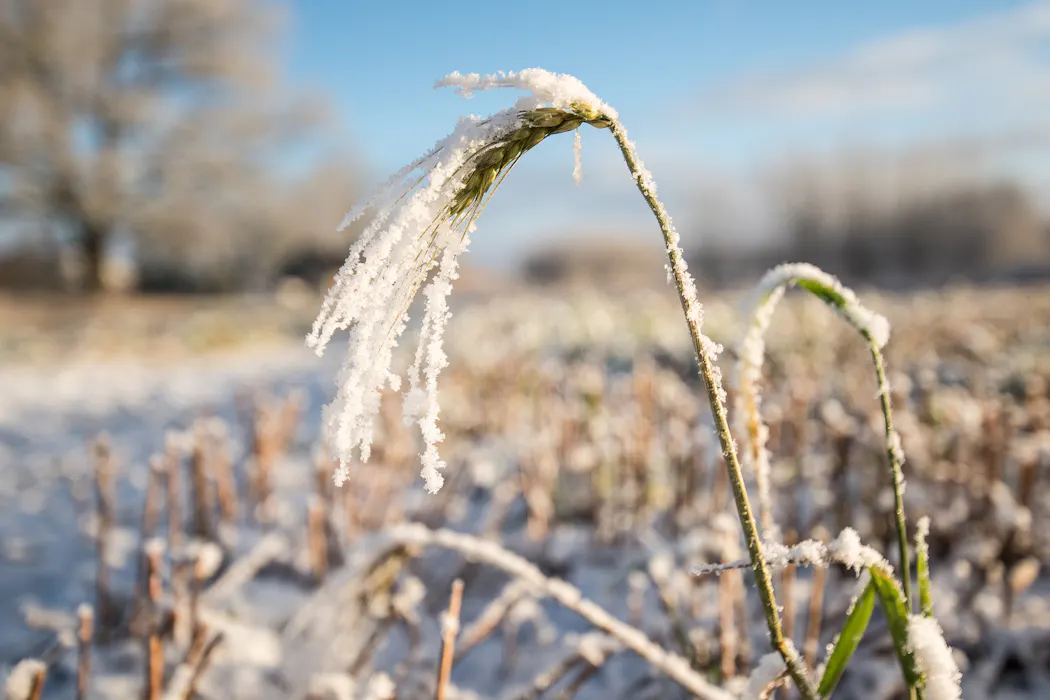
In the highlands of Papua New Guinea, crops have been killed by drought and frost.
Severe frosts have destroyed food crops such as taro, sweet potato, bananas and sugarcane, leaving some local communities scrambling for food.
El Niño is producing similar conditions as previous frosts – including those of 1972, 1997–98 and 2015–16 – that left thousands of Papua New Guineans without food and water.
This may seem like a faraway, albeit worrying, problem for those in Australia. After all, we typically talk about climate change through the lens of heat and drought.
But for Australian farmers, frost risk is a growing concern. This is particularly true as the strengthening El Niño – a naturally occurring weather phenomenon that drives variations in temperature and winds across the Pacific – threatens to bring increasingly fierce and frequent frosts to farming regions.
How frost forms
Radiation frost, commonly known as frost, typically forms after a cold, clear and windless night.
Clear skies, rather than cloudy ones, allow more heat to be released into the atmosphere. This causes the temperature of the soil and air to drop. Dry conditions can speed up the cooling process because parched soils store less daytime heat. While moist soil can retain more warmth and buffer the effects of subzero temperatures, it can’t completely protect crops or plants from severe frosts.
Cold air is generally heavier than warmer air, meaning dense cold air flows into valleys and other low-lying areas. These are known as frost hollows. Calm conditions stop this cold air moving or mixing with warmer winds.
Chilly temperatures can indicate when frost may strike. Depending on where you are, if the minimum forecast temperature is 3°C or below, you could be in for a frost. This is because the ground can drop below 0°C even when the official air temperature is higher.
Read more:
We eat a lot of wheat. So how can we grow more in a changing climate?
All about timing
Frost can be devastating for crops.
Severe frosts can cause the water in and around plant cells to freeze and rupture. This irreversibly damages or even kills the plant.
In cereal crops, such as wheat, barley and oats, the biggest risk is reproductive damage. During the process of flowering, crops produce delicate reproductive structures that together form the grains we eat and feed to livestock.
If frost hits during flowering, the freezing temperatures can kill these parts of the plant, potentially wiping out an entire crop in one night. This can leave farmers without enough grain to sell and then cover the cost of growing that crop.
The extent of damage depends on various factors, including the timing, length and severity of a frost. However, growers can reduce their frost risk by selecting crop varieties that flower outside the main frost window. Researchers are also working to identify genes that could make future varieties less susceptible to frost. However, none of these traits make a crop immune to freezing temperatures.
Read more:
Fertiliser prices and shortages are hamstringing our farmers. But we have other options
Australian growers on alert
For Australian farmers, severe frosts are a growing concern.
The Birchip Cropping Group, Australia’s biggest farmer-led agricultural research organisation, reported in August that northwest Victorian crops were on track for an impressive harvest after an unusually wet start to winter.
However, growers immediately turned their attention to potential risks – particularly damaging frost. Their worries were well-founded, with Australia’s Bureau of Meteorology issuing multiple frost warnings across the country. Some farmers in the southern Mallee have reported minor crop damage and at Wickepin North in Western Australia. But thankfully this year, most Australian growers appear to have dodged the frost bullet.
Read more:
A record-shattering El Niño is almost here. Here’s what that means for the world’s weather
What we can do
For Australian farmers, staying informed is key. To protect their crops and businesses from the effects of frost, grain growers can identify potential frost hollows, choose crop varieties that flower at different times, and keep an eye on short-term weather warnings. They should also check their paddocks after a night of cold, clear weather.
Governments in Australia and across the Pacific can support farmers by funding local weather stations. They should also continue to invest in crop research to identify varieties that are more resistant to frost, as well as drought and extreme heat.
Papua New Guinea’s mountain communities are struggling to salvage what’s left of their crops. Australian farmers can avoid the worst effects of frost, but only if the government continues to fund the forecasting services and research they urgently need.
Read more:
From war to weather, Australian farmers are planting spring crops in an uncertain world

Phil Brewer receives funding from the Australian Research Council.
Original source: https://analysis1.mil-osi.com/2026/09/29/as-el-nino-strengthens-across-the-pacific-australian-farmers-could-face-fierce-frosts/