

Source: The Conversation (Au and NZ)
Oil markets are in turmoil amid renewed tensions in the Middle East. Prices have risen past US$100 (A$140) a barrel for the first time since May.
The biggest trigger is the bombing of Saudi Arabia’s crucial East-West pipeline. The pipeline acted as a release valve for Saudi exports blocked from passing through the Strait of Hormuz.
Fuel prices are spiking. Unrest has quickly followed, with riots and protests from Syria to Portugal to Guatemala. Global oil stocks have fallen by 507 million barrels since the US-Iran war broke out in February as nations eat into their reserves.
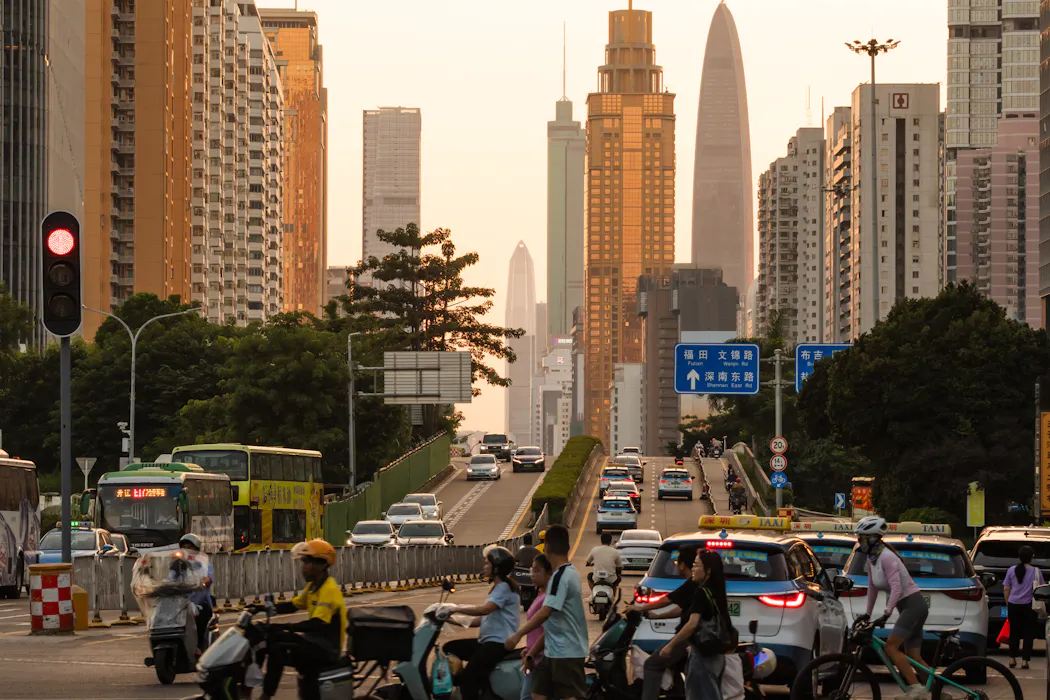
But prices could have been a lot higher if it wasn’t for China. Demand in the world’s largest oil-consuming nation is set to fall for the third successive year. Earlier stockpiling and a rapid shift to electric vehicles are responsible.
Fewer routes for Gulf oil
The year’s first fuel crisis came after Iran blocked the vital Strait of Hormuz, disrupting shipments from nations such as Kuwait, Saudi Arabia and Qatar.
The new crisis may be different because it affects Saudi Arabia’s most important alternative export route – the 1,200km pipeline linking eastern oilfields to the Red Sea. It was built in the 1980s as a way to bypass Hormuz.
A series of drone strikes from September 10–11 damaged pumping stations, forcing the Saudi oil company, Aramco, to shut the pipeline as a precautionary measure. Aramco has reportedly told European refiners they will receive no crude oil next month.

Maxar/Getty
Hormuz remains a bottleneck. Oil tankers and commodity vessel numbers remain low. Before the war, the passage carried a fifth of the world’s oil and gas.
Producers have not been caught unprepared. Oil traders are increasingly using the Omani port of Sohar as a partial workaround, as the port sits outside the narrowest Hormuz choke point. Aramco will use Sohar to ship roughly 60 million barrels over September and October.
My analysis of vessel-tracking data from the London Stock Exchange Group shows China-bound crude oil shipments from Sohar rose more than tenfold between February and August.
Refined fuels such as diesel are also facing shortages due to the Russia-Ukraine war.
Ukraine is increasingly targeting Russian oil refineries, striking at least 21 times in August alone. Many are offline. Russian petrol production is down 20% and diesel almost 30% from a year ago.
China is buying less oil – and cutting demand
Prices could have gone much higher this year if China hadn’t stopped buying oil. China was arguably the country most exposed to the crisis, relying on the Middle East for about half of its oil imports. Yet instead of competing in the market, it drew on its vast stockpiles of oil accumulated before the war broke out.
Oil market disruption in the Middle East removed about five million barrels a day from the market. But expert estimates suggest China cut its imports by up to four million barrels a day.
China’s role goes beyond buying. Beijing reportedly asked Tehran to stop further attacks on Saudi infrastructure. Beijing has leverage, as Chinese buyers took more than 80% of Iran’s seaborne exports in 2025.
Chinese leaders have long seen oil dependence as a vulnerability. To wean off foreign oil, leaders bet heavily on electric vehicles. Almost two-thirds of new cars sold in China are now battery-electric or hybrids.
Chinese refining giant Sinopec forecasts demand will fall 3.9% in 2026. China’s oil consumption may have peaked in 2025.
Declining demand isn’t a wartime blip. China’s economy grew about 20% between 2021 and 2025, while transport fuel use stayed flat due to a rapid shift to electric cars, high-speed rail and trucks running on natural gas or, increasingly, batteries.
China’s shrinking appetite and the Gulf state success at re-routing their exports are keeping a cap on oil prices. But this could change.
There’s great uncertainty about what the future holds. RBC Capital Markets warns Brent could pass US$120 by year’s end, while Goldman Sachs forecasts prices around US$55 a barrel by late 2027.
How could Australia learn from this?
For Australia, the new Middle East crisis is yet another warning about dependency on imported fuel – especially diesel.
Import-dependent Australia remains highly exposed, as experts have warned. Diesel is already approaching A$3 a litre in some areas. While passenger vehicles are electrifying, trucks, mining and farming machinery remain overwhelmingly dependent on diesel.
As of September 9, petrol in Australia’s five largest cities cost 39 cents a litre more than before the Iran war and diesel 77 cents higher. Analysts warn fuel prices are likely to increase another 20 to 30 cents a litre.
The government’s plan to boost diesel reserves should help in the short term, though more storage capacity closer to major regional users will be necessary.
But the end goal has to be reducing dependence on diesel. Fuel storage buys us time to make that possible.
Longer term, Australia should look to China’s pragmatic approach. China is electrifying transport wherever practical to cut demand for fuel. Where impractical, China is increasingly turning to natural gas.
This approach could work in Australia, one of the world’s largest exporters of liquefied natural gas. Gas could replace diesel for long-distance freight, mining and remote power generation. Over time, electric options will emerge for some of these – but gas will likely still have a role.

Lurion De Mello does not work for, consult, own shares in or receive funding from any company or organisation that would benefit from this article, and has disclosed no relevant affiliations beyond their academic appointment.
Original source: https://analysis1.mil-osi.com/2026/09/21/as-renewed-chaos-grips-the-oil-market-one-country-is-keeping-global-prices-down-by-reducing-demand/