

Source: The Conversation – UK
Some people describe it as a ticking timebomb. Others learn to live with information they can neither see nor feel, but cannot forget. This is what it can mean to be diagnosed with an abdominal aortic aneurysm: a swelling in the body’s main artery that becomes more likely to rupture as it grows, despite causing no symptoms.
For most people with a small aneurysm, surgery is not the safest option. Regular scans are used to track its growth. This avoids an operation they may not need, but can leave them living with uncertainty for years.
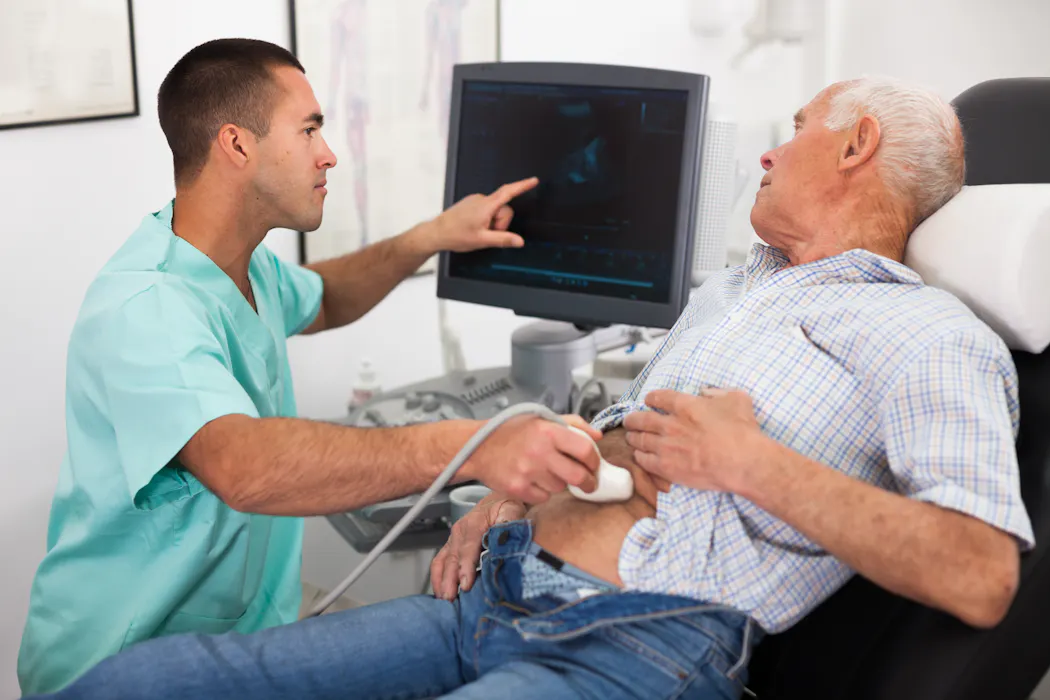
An abdominal aortic aneurysm, or AAA, develops in the section of the aorta that runs through the abdomen. Most cause no noticeable symptoms. In England, men are invited for a screening ultrasound in the year they turn 65. Aneurysms can also be found during tests for another condition.
The risk depends partly on the aneurysm’s size and growth rate. Smaller AAAs are usually managed through active surveillance, alongside measures to reduce cardiovascular risk. A review of four clinical trials found no survival advantage to operating early on small, symptom-free aneurysms. Repair itself carries risks including heart attack, stroke and kidney damage.
Our research suggests that the emotional effect of surveillance can be underestimated.
Living between normality and danger
We reviewed 14 studies involving 150 people with AAA. Most were men; participants were aged from 53 to 88. The studies explored their experiences of diagnosis, surveillance, surgery and recovery.
They provide detailed accounts of what people went through, although they cannot show how common each response is among all patients. Similar concerns recurred across different groups and care settings.
Uncertainty ran through many participants’ accounts. Some described the aneurysm as a “ticking timebomb”. They felt caught between the normality of having no symptoms and the knowledge that their condition might become more serious.
Some became highly alert to bodily sensations, wondering whether an ordinary ache might signal danger. Clear safety advice is important here. Most AAAs remain symptomless, but sudden, severe abdominal or back pain, difficulty breathing, pale or grey skin, or loss of consciousness can signal a rupture and require an immediate 999 call.
Regular scans could reassure people when an aneurysm was stable. For some, that relief faded as the next appointment approached. Life became organised around scan dates, with each check reviving old fears.
Questions left unanswered
Participants in several studies said the information they received did not prepare them for daily life with AAA. Explanations often centred on aneurysm measurements and the risks or thresholds for surgery. People still had questions about what they could safely do, how the condition might change and how much control they had over their health.
Medical jargon and apparently conflicting advice added to the confusion. Some people felt unable to take part confidently in decisions because they did not fully understand the options.
Physical activity was a particular source of concern. Some participants limited exercise because they feared exertion could cause a rupture. Others thought exercise might shrink the aneurysm. Research suggests that exercise training is generally safe for people with AAA, although advice should reflect the aneurysm and the person’s wider health. Exercise may support cardiovascular health, although it has not been shown to make an aneurysm smaller.
Smoking also caused confusion. Some participants doubted that quitting would help once an aneurysm had formed, while others used cigarettes to cope with anxiety. Smoking is a major risk factor for AAA, and NHS guidance recommends stopping to help prevent an aneurysm from growing. People may need practical help to quit, alongside a clear explanation of how smoking can affect the aneurysm.
A different uncertainty after surgery
When an aneurysm reaches the point at which repair is considered, patients face another set of decisions. Repair may involve open abdominal surgery or endovascular aneurysm repair, known as EVAR, which places a stent graft inside the artery through blood vessels in the groin. Recovery and follow-up differ between the procedures.
Participants often saw surgery as a source of hope and fear. It offered a way to reduce the danger they had been carrying, but required them to confront the risks of a major procedure and place considerable trust in their clinical team.
Afterwards, some described fatigue, changes in appetite, emotional ups and downs and a slower return to normal activities than expected. Several felt poorly prepared for recovery or unsure whom to contact after leaving hospital.
Recovery brought a different kind of uncertainty. The aneurysm had been repaired, but the body did not always seem to be healing on schedule. Ordinary tiredness or a twinge of pain could prompt fears that something had gone wrong. After weighing the risks of surgery for months or years, some found it disorienting that nobody had prepared them for what the following weeks might feel like.
Support between scans
Our findings point to practical improvements. At diagnosis, people need a plain-English explanation of their aneurysm’s size, why surveillance is recommended and which symptoms require emergency help. They also need tailored advice about physical activity and reducing their cardiovascular risk.
Before surgery, patients need balanced information about their options and enough time to ask questions. After discharge, realistic guidance about recovery and a clear contact for concerns may reduce avoidable distress. NHS England has produced a decision-support tool for people considering AAA treatment. It is most useful when a clinician helps each patient apply the information to their circumstances.
The studies included relatively few women, so they may not capture every experience of living with AAA. Even so, the findings show why clinical care should include psychological and practical support alongside measurement of the aneurysm.
For many people, the hardest part of AAA is living with a condition they cannot usually feel but can never entirely forget. Helping them understand it and participate in decisions, with a clear route to support when needed, could make surveillance or recovery easier to live with.

Ukachukwu Abaraogu is co-Lead of Cochrane Heart, Stroke and Circulation, Honorary Senior Lecturer at the University of Manchester, and Senior Collaborator within the Global Burden of Disease Programme
Chris Seenan does not work for, consult, own shares in or receive funding from any company or organisation that would benefit from this article, and has disclosed no relevant affiliations beyond their academic appointment.
Original source: https://analysis1.mil-osi.com/2026/09/15/abdominal-aortic-aneurysms-can-cause-years-of-anxiety-even-without-symptoms/