

Source: The Conversation (Au and NZ)
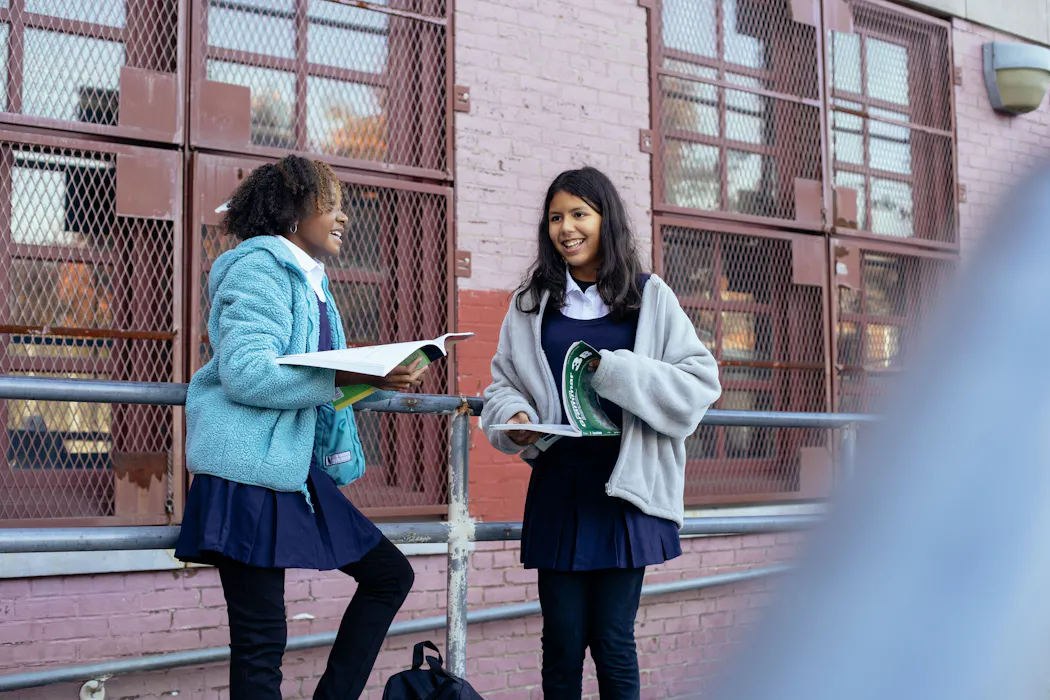
School life isn’t always easy. A student may receive a disappointing mark, struggle with a tough assignment, face numerous deadlines, or be anxious about an exam.
At other times, a student may start at a new school, begin a new subject, work with unfamiliar classmates, encounter a new teacher, or be asked to learn in a different way.
These two sets of experiences look similar, but are not the same. The first involves adversity and setback. The second involves disruption and change. Students need to be able to deal with both to flourish at school.
In educational psychology, we use the term “academic buoyancy” to describe students’ capacity to deal with academic adversity and setbacks. It helps a student bounce back from a poor mark, keep going when schoolwork is difficult, manage competing deadlines, and respond constructively to critical feedback.
Adaptability is different. It refers to students’ capacity to adjust when they face disruption and change. It helps a student modify the way they think, behave and respond emotionally when circumstances shift.
How do these two capacities relate? And how can we encourage students to develop both?
Our research
In a new study, my colleagues and I set out to understand:
-
does being able to deal with adversity also help students become better at dealing with disruption and change?
-
does being able to adjust to disruption help students become better at dealing with adversity?
We looked at longitudinal analyses involving 5,931 students in Australia and the United Kingdom. The students were in junior to senior high school. Students reported their academic buoyancy and adaptability at two points in time, separated by periods ranging from four months to one year.
Their reports were based on two survey tools, one assessing academic buoyancy (for example, “I’m good at dealing with setbacks at school, such as negative feedback on my work, poor results”) and the other assessing adaptability (for example, “I am able to seek out new information, helpful people, or useful resources to effectively deal with new situations”).
Students were asked to rate their agreement with each item. Higher scores indicated greater buoyancy and adaptability.
We then used statistical analyses to test whether students’ buoyancy at the first time point predicted gains in adaptability later. We also tested the reverse: whether earlier adaptability predicted gains in later buoyancy.
Our results
Across all our analyses, students who were better able to deal with setbacks were then later, better able to deal with change. Better initial capacity to deal with change also predicted later gains in capacity to deal with adversity.
In other words, students who get better at handling adversity in academic life may also become better at handling disruption. And students who get better at handling disruption at school may become better at handling adversity.
The findings held across different age groups, across Australia and the UK, across general schoolwork as well as specific school subjects, and across different lengths of time between measurements.
We did not control for socioeconomic and academic ability differences between students, as not all the analyses we looked at included this information.
What does this mean in practice?
If the main issue is academic adversity, then strengthening students’ buoyancy is a logical response – and building their adaptability can provide additional support for navigating that adversity.
If the main issue is disruption, then strengthening students’ adaptability is important – and building their buoyancy can also help them manage during periods of change.
As we show below, the skill sets are similar, but they are not the same.
6 ways to boost buoyancy
Research shows there are six practical approaches to help students navigate academic setbacks and adversity. We call them “the six Cs”:
1. confidence: help students recognise the knowledge and skills they already have – this boosts their self-belief. It is also useful to broaden their definition of “success” to include improvement and learning, not just getting “top marks”.
2. control: bring attention back to what students can control and influence. This includes their effort, the strategies they use when doing schoolwork, and their attitude.
3. commitment: this involves encouraging students to set clear and achievable goals, and suggesting concrete strategies to meet these goals.
4. coordination: look ahead – if several assignments or exams are going to collide, plan how to balance them.
5. composure: students need ways to manage anxiety and frustration. What works will differ for individuals, but sleep, exercise and time for relaxation can all help.
6. connections: good relationships provide support during times of adversity and disruption. Teachers, coaches, classmates, friends and family can all be important here.
3 ways to develop adaptability
Research also shows adaptability can be developed in three ways:
1. adjusting your thinking: encourage students to look at a new situation in more than one way. Yes, it might be disappointing not to be in a class with your good friends, but what opportunities might this new class offer?
2. adjusting your behaviour: encourage students to take action to help them deal with the change. For example, students can seek new information, find different resources, or change the way they approach a task when the old approach no longer fits.
3. adjusting your emotional response: change can generate frustration and anxiety. The aim is to manage them well enough to respond constructively. For example, a student might calm their emotions by taking a few slow breaths, using some reassuring self-talk, or reframing things in a way that is less threatening.
Adversity is part of school – and life
We cannot remove adversity from education. Nor would we want to remove all disruption and changes. New subjects, new people, new ideas and new opportunities are part of learning. The task is to help students deal effectively with both.
Andrew J. Holliman, Nani Teig, David W. Putwain, Rebecca J. Collie, Emma C. Burns, Keiko C.P. Bostwick, Roger Kennett, Joel Pearson and Lars-Erik Malmberg were coauthors of the research explained in this article.

Andrew J. Martin receives funding from the Commonwealth Department of Education and the NSW Department of Education
Original source: https://analysis1.mil-osi.com/2026/09/03/school-rarely-goes-to-plan-here-are-9-ways-students-can-deal-with-setbacks-and-change/