

Source: The Conversation (Au and NZ)
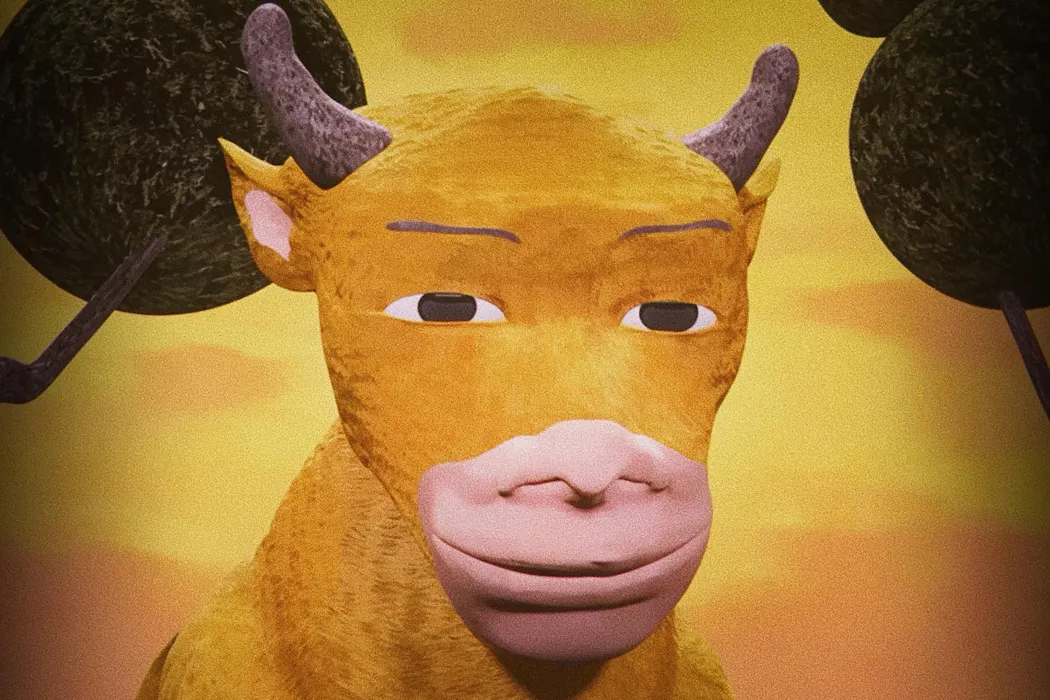
Niu Lai (牛来) (2026), meaning “Here Comes the Cow/Bull”, is an 86-minute, crudelyanimated featuremade by aself-taught mother-son duofrom China.
Since its August 5 release, the film has gone from being near-invisible to a viral sensation in China and beyond.
Much of the early attentionmockedthe micro-budget production for its “pure handmade” animation, stiff movements, strange voice acting and bizarre plot.
Yet Niu Lai has now made more than45 million Chinese yuan(about A$9.3 million) at the Chinese box office. How does a film that’s so “bad” become such a hit?
$71 on opening day
Niu Lai lookeddestinedfor oblivion when it was first released.
The story follows a timid young calf named Niu Lai who, after befriending a skylark, slips into a dream in which he encounters a spirit snake, a leopard protector and a pack of wolves – eventually awakening to bravely step into a new world.
Made overfive years on a home computer, Niu Lai was directed by 34-year-old first-time animator Xin Yumeng (信雨茵), from Dalian in northeastern China, with the story written by his 60-year-old mother, Sun Lifang (孙丽芳).
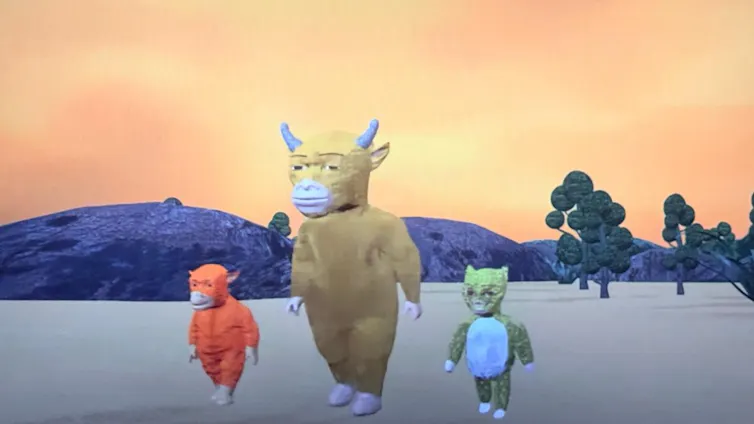
Tianjin Yamazaki Film
The filmearnedjust 342 yuan (A$71) on its opening day and totalled around 7,700 yuan (A$1,596) during its first ten days, with fewer than 300 people buying tickets nationwide.
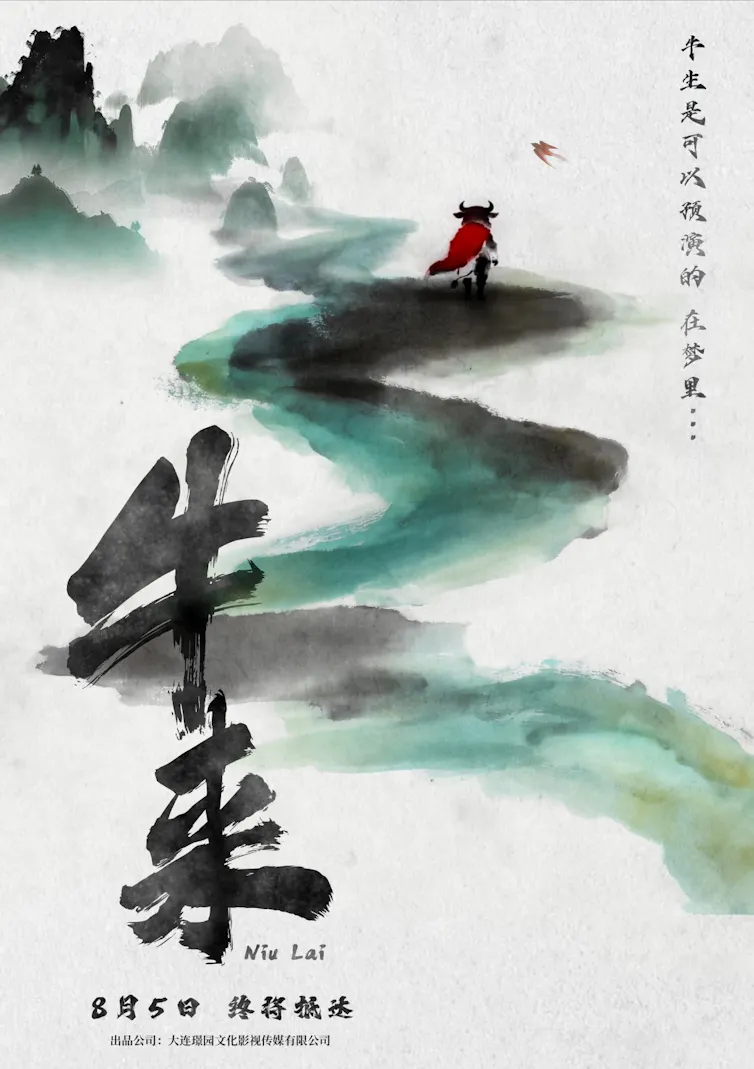
There was noconventional publicity, no pre-release marketing, no trailer, and not even a single poster that cinemas could use.
The only official promotional image was a beautiful traditional ink-wash painting that implied a far more polished production than it actually was. Curiosity did the rest.
IMDb
The bare-bones animation quickly resulted in variousviral memes, and left audiences wondering how a film this odd could end up in cinemas.
A bullish outcome
What’s intriguing about Niu Lai is the unusually active role audiences are playing in its reception.
中文中,niú(牛) is a general term for cattle and can refer to either a cow or a bull. This animalsymboliseshard work, perseverance and humility, reflecting its historic role in traditional agriculture.
Meanwhile, in contemporary slang,cowcan also mean “awesome” or “impressive”, whileox(Niú shì), or “bull market”, evokes rising prices and good fortune – making Niu Lai especially appealing to investors hoping for luck and prosperity.
Scenes from Niu Lai have been reinterpreted through stock-market humour, with users on Douyin, China’s version of TikTok, producing remixes, memes and elaborate parodies.
Within a fortnight since its release, the film hadblown upon Chinese social media. Screenings multiplied, posts were shared, and audience enthusiasm turned Niu Lai into an online phenomenon.
The “disaster-level“Visuals became the film’s marketing, pushing it far beyond its original cultural context. Not all the jokes survive translation, but the spectacle certainly does.
The cult of ‘so bad it’s good’
Audiences have always enjoyed films that are “so bad they’re good”. This trend dates to thecult-movie boomof the late 1960s and early 1970s. Examples range from the catastrophically amateurManos: The Hands of Fate(1966) to John Waters’outrageousPink Flamingos (1972).
A more recent example is Tommy Wiseau’s psycho-drama The Room (2003). This commercial disaster went on to become one of the world’s best-known cult films, and even inspired Academy Award-nominatedThe Disaster Artist(2017).
Audiences do not necessarily enjoy bad films just because of their failures. Theyenjoy them becausethose failures violate the conventions of normal filmmaking. Awkward acting, bizarre dialogue and nonsensical plotting become sources ofhumour.
Then there are other people.
Studies of The Room screenings havefoundaudiences form temporary communities around the film. They share in the heckling, and even develop unique viewing rituals, such as throwingplastic spoons at the screen.
Such films become a shared performance between the work and the audience. This is happening with Niu Lai, too. The internet supplies the jokes. The audience supplies the meaning.
China has long had its own culture of “so bad it’s good”.
Audiences use terms such asthunderstorm(thunder dramas) or “shlockbuster” to describe shows or films so absurd, melodramatic or poorly executed that their failures become part of the entertainment.
Niu Lai shows us how quickly mockery can translate to box-office returns.
At(Love) over AI
There is also something oddly poignant and inspiring about Niu Lai. With no formal training, Xin Yumeng and his mother spent years making the feature-length animation at home using asecond-hand computer.
The output has beencalled“worse than AI” and “the worst film of 2026.”
Yet, in a popular culture increasingly dominated by big budget productions, and now AI, human imperfections can make a work shine.
Xin handled almost every aspect of the production, while his mother helped with the writing, voice acting and sang theend credits songtitled “After the Rain, the Soft Winds Rise.”
I find it amusing that while AI in English stands for artificial intelligence, the identical soundà i(爱) in Chinese means “love”.
What began as mockery has blossomed into affection and support for a family that stubbornly brought their dream to life. Niu Lai may not hold a candle to contemporary Chinese animated blockbusters such asNe Zha 2, but the effort that went into it makes it meaningful.
As viewers make fun of the film, laugh about it with others, and create memes to share across the world, it becomes less a product to consume and more an experience to share.
Sometimes, a movie doesn’t have to be good to bring people together. It just has to be bad in exactly the right way. Perhaps that’s Niu Lai’s greatest achievement.

Yanyan Hong does not work for, consult, own shares in or receive funding from any company or organisation that would benefit from this article, and has disclosed no relevant affiliations beyond their academic appointment.
Original source: https://analysis1.mil-osi.com/2026/08/27/from-71-to-9-million-how-a-mocked-chinese-animation-became-an-unlikely-box-office-hit/