

Source: The Conversation – UK
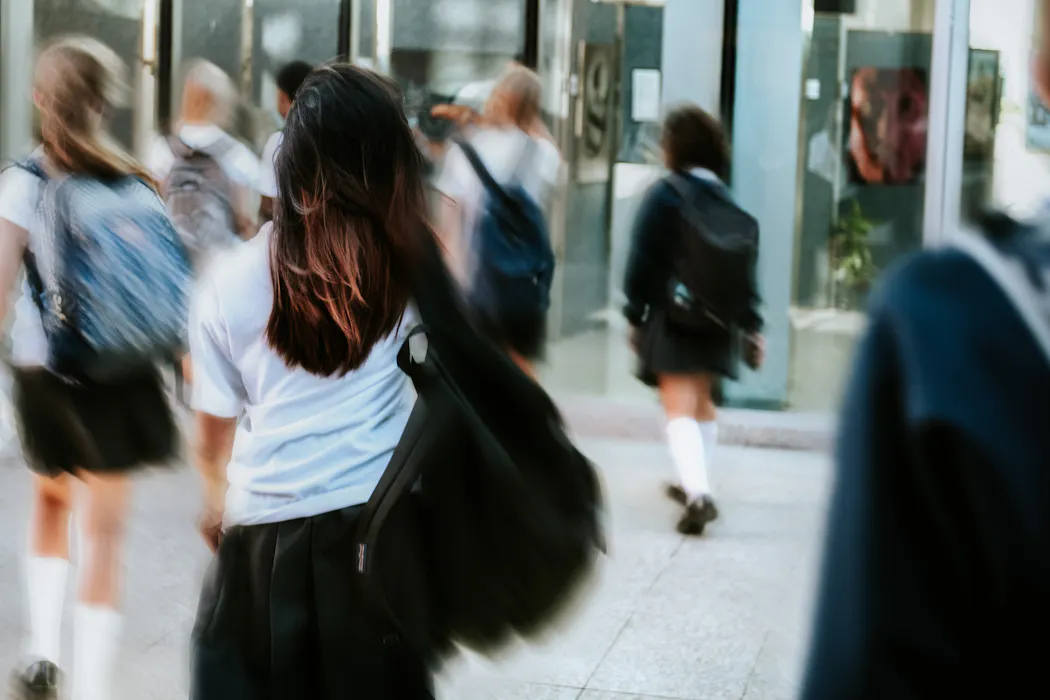
Moving from primary to secondary school can evoke a range of emotions, from excitement and anticipation to uncertainty and anxiety. It is an important rite of passage: many children look forward to the new opportunities, experiences and greater independence that secondary school offers.
For some, it represents a chance to leave behind the familiarity of a smaller primary school setting and embrace new challenges as they broaden their horizons.
Alongside this excitement, feelings of apprehension may emerge as children contemplate the academic, social and organisational changes that accompany the transition. Navigating a larger school environment, building new relationships and adapting to increased expectations can make this period both exciting and daunting.
We carried out a study that explored how children felt about going to secondary school. We interviewed 13 children in year six (aged 10 and 11) in their final year of primary school about their expectations and feelings regarding the transition. We also spoke with a further 12 year seven pupils two terms after starting secondary school.
In another study carried out with 210 children, we examined changes in children’s wellbeing during the primary to secondary transition based on a positive psychology approach, which focuses on factors that lead to a fulfilling life.
Several themes emerged across the studies, highlighting what children worry about when they move to secondary school.
Feeling prepared
Children mentioned the importance of being prepared for secondary school. They found opportunities to speak with pupils at the secondary school useful, either through organised events or more informal discussion. One year six pupil said:
We had sixth formers come in every Monday … then we’d speak to them and they’d always have like, a slide presentation … a little insight of what we have to do, so it would tell us like, what about timetables and that we’d have to follow them, how we’d walk to different classes, the names of the buildings … and it was just really helpful, especially because they were in the school.
Children found that talking with each other and older siblings or family members helped. Another said that they had found the transition quite easy, “because my cousins know a lot of people, to be honest I basically knew everybody so there was nothing really to be afraid of”.
Knowing what to expect by speaking with others was useful in understanding how different secondary school will be. A year seven pupil’s brother had told him that “it’s going to be crowded everywhere”.
Many voiced concerns about getting lost, recognising that their new secondary school was much larger than the primary school. One year seven pupil commented that it took “five weeks to find where I was going”:
They took us round the school and I still didn’t know where I was going, and I’d be late … So, it was kind of a big jump for me because my primary school was literally just a circle, like that’s all it was. And from having one teacher, like I said, to like, ten, is a big move on.
Transition events, both formal and informal, were valuable opportunities, allowing children to visualise themselves at their new school.
Building meaningful relationships
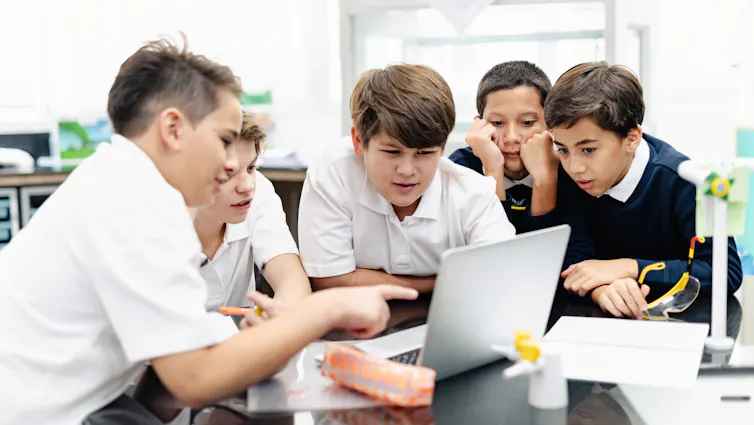
The children frequently mentioned concerns around making friends. Transition activities organised by the secondary schools allowed children to meet each other which helped to reduce worries. One year seven pupil reflected:
I only had one person from my primary school in my form, and it was someone I wasn’t even really friends with in primary. So, it was kind of hard at first, but I met someone on transition day … and then I realised she was in my form.
Another said: “It took me about…two weeks to make friends.”
Rawpixel.com/Shutterstock
Children were excited at the prospect of new subjects and specialist teachers, but concerned about academic expectations and getting to know new teachers. One said:
I had one teacher [in primary school] so we kind of bonded with them much more and it was easy for us to talk to them. But now it’s different and it’s difficult because there are lots of teachers here.
Year seven pupils recognised it took their teachers longer to get to know them. “I do trust some teachers, but it depends on who,” one said. “You tend to bond more with some teachers than others, but obviously not the same as you do with your friends.” However, for most pupils these concerns had alleviated by the end of their first term at school.
Supporting children
If your child is making the move to secondary school this term, here are some tips for supporting them.
Children find having information about their new school reassuring. You can alleviate their concerns by finding opportunities for them to talk to other children who already attend the school. Attending transition events is also important so children can get to know the school environment.
Teachers and other school staff at the new secondary are ready to help children settle in. If you feel your child needs some extra support, you can speak to them to request this.
Finally: being apprehensive is normal. Provide opportunities for your child to talk about their feelings about the move to secondary school, and understand that it can take time for them to settle into their new environment and make friends.

Rhiannon Packer is affiliated with Cardiff Metropolitan University.
Adam Pierce is affiliated with Cardiff Metropolitan University
Dr Kieran Hodgkin is affiliated with Cardiff Metropolitan University.
Original source: https://analysis1.mil-osi.com/2026/08/25/what-children-worry-about-when-they-start-secondary-school-and-how-to-support-them/