

Source: The Conversation – UK
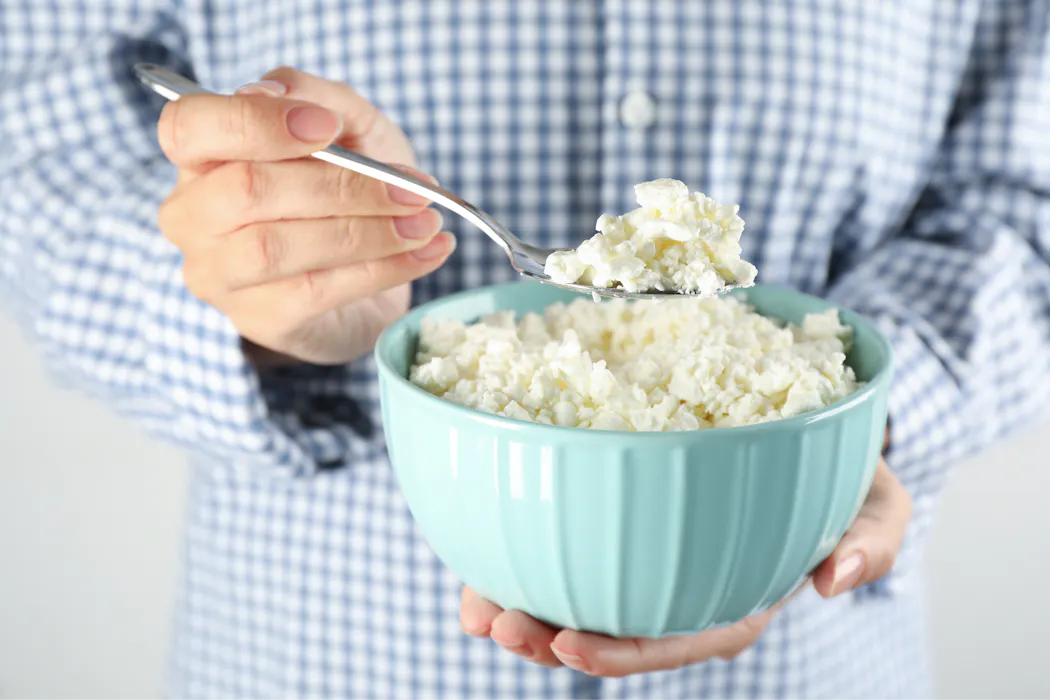
Cottage cheese is having a moment. It’s being added to dips, mixed into batters and even used in pizza and brownies. It’s touted as a high-protein food that can help build muscle and lose fat. But the research supporting these benefits is not quite as abundant as the number of viral cottage cheese recipes that are out there.
My colleagues and I published a review last year which provided a full breakdown of the available evidence.
Interestingly, our review did not identify any published studies which directly examined the effects of cottage cheese on muscle mass, growth and function. There were also no studies investigating whether eating cottage cheese leads to meaningful changes in body weight or body composition.
This means that much of the current hype around cottage cheese and its benefits is really only based on what we know about protein in general. There is actually relatively little research on the impact that cottage cheese has on muscle gain and weight loss.
What the research says
Cottage cheese is relatively low in fat compared with many other cheese varieties, making it high in protein relative to its fat and calorie content. This means you can consume a high amount of protein without necessarily consuming as much fat or calories as you might with other types of cheese.
The protein in cottage cheese also comes predominantly from casein. This is a slower-digesting protein that causes a more prolonged release of amino acids (the building blocks of proteins, including those needed to maintain and build muscle) compared with proteins such as whey, which are rapidly digested and absorbed. Because casein is digested more slowly, it has been suggested it could help people feel fuller for longer.
Cottage cheese’s enduring popularity among fitness enthusiasts perhaps stems from suggestions that its high-quality protein can support muscle growth when combined with resistance training (such as weight lifting).
Its high protein-to-fat ratio and potential to promote fullness have also led to suggestions that cottage cheese could make it easier to maintain a calorie deficit, which can support fat loss.
But there is an important distinction here: the purported benefits of cottage cheese are based on what we know about protein generally.
So to understand what the research actually says about cottage cheese’s impact on health, my colleagues and I conducted a review, providing a full breakdown of the available evidence. High-quality human randomised controlled trials, the gold standard for establishing causal effects, are lacking. This makes firm conclusions difficult.

Viktorya Telminova/ Shutterstock
A study in healthy women found that cottage cheese caused more insulin to be released into the blood stream than a cod fillet or soy protein did. Insulin is a hormone that helps regulate blood sugar. It does this by promoting the uptake of glucose (a type of sugar) from the bloodstream into cells, where it can be used for energy or stored for later use.
Studies in both healthy and diabetic participants similarly found that cottage cheese stimulated a greater insulin response than several other protein sources, including egg white, lean beef, turkey, fish and soy.
These findings suggest that cottage cheese causes greater amounts of insulin to be released compared with some other protein sources. The reason for this is not entirely clear, although differences in protein composition, amino acid availability and how easily the protein source is digested may play a role.
There have also been individual studies examining cottage cheese’s effects on energy expenditure (the number of calories a person burns) and appetite. These studies suggest that cottage cheese does not appear to affect energy expenditure, satiety or appetite differently from other protein sources when matched for calories, protein and other macronutrients.
Overall, our review did not find any studies that directly examined the effects of cottage cheese on muscle mass, growth and function. Nor did we find any studies showing cottage cheese leads to meaningful changes in body weight and composition.
So, while the nutritional characteristics of cottage cheese make some of the claims surrounding it biologically plausible, we should be careful not to confuse plausibility with evidence.
Our research team is currently investigating various aspects of cottage cheese in the hopes of understanding its effects on the gut, muscle health and ageing. We hope that the results of our work will provide much-needed evidence showing how cottage cheese impacts our health.
What does this mean for you?
The proposed benefits of cottage cheese are largely grounded in plausible mechanisms and evidence relating to its nutritional characteristics – rather than evidence demonstrating that cottage cheese itself produces these benefits.
But despite the lack of direct scientific evidence, cottage cheese remains a versatile, protein-rich food which can be included as part of a healthy diet. It provides a convenient and nutritious way of increasing protein intake.
Still, it’s important that when health claims are made, we’re clear about where the evidence ends and the speculation begins. For now, the science behind cottage cheese is promising in places, but the trend is ahead of the research.

Dominic Farsi receives funding from the European Union’s Marie Skłodowska-Curie Actions (MSCA).
Original source: https://analysis1.mil-osi.com/2026/08/21/we-put-cottage-cheese-through-an-evidence-check-and-the-health-claims-didnt-stack-up/