

Source: The Conversation – UK
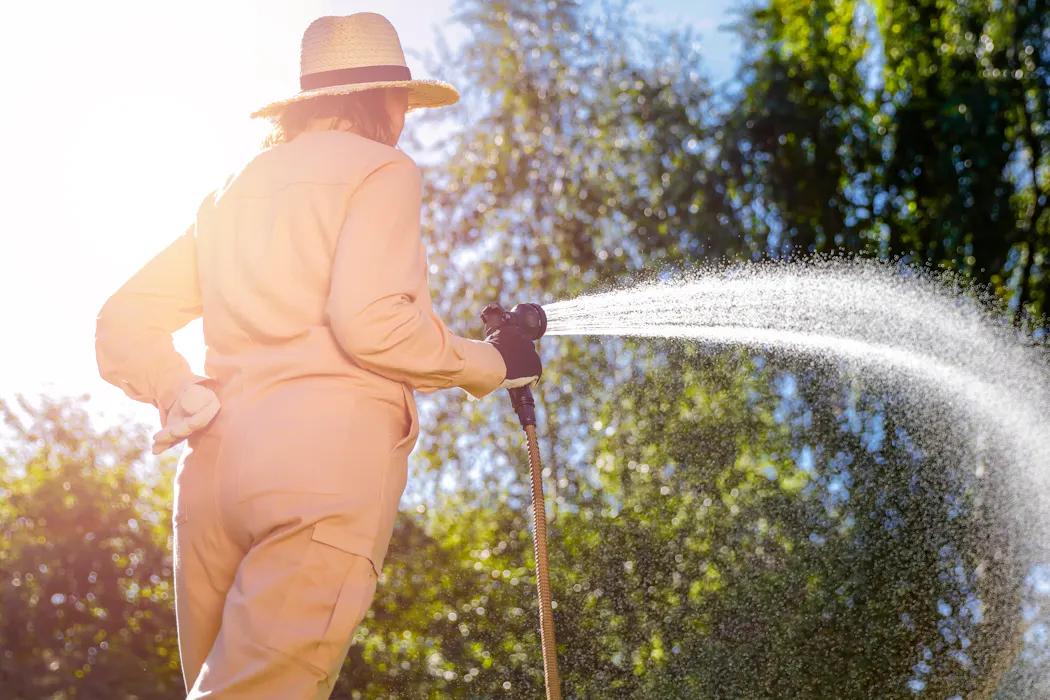
Drought is affecting almost three-quarters of England and around 27 million people are under water use restrictions or hosepipe bans.
When a hosepipe ban comes into force, it does something that decades of climate summits and net zero targets have struggled to do. It makes climate change personal.
Psychologists call this a reduction in psychological distance (when something that once felt far away or abstract feels close). Climate change usually feels far away in time and space. Restrictions like hosepipe bans challenge that perceived distance. Suddenly the issue is not global and abstract but local and immediate. That sudden sense of closeness helps explain why hosepipe bans can be frustrating, but also why they can make environmental problems feel more tangible.
When bans help
According to a recent survey, four in five people use more water during heatwaves. While this is to be expected, it adds pressure to already stretched supplies. Hosepipe bans can help reduce the public’s demand for water by up to 9%, according to some water companies.
Beyond these numbers, a hosepipe ban succeeds where abstract messaging often fails, because it turns a distant risk into a visible, felt experience.
Achieving net zero (the point at which the amount of greenhouse gases, like carbon dioxide and methane, emitted is balanced by what is being removed from the atmosphere) by 2050 is an abstract concept for most people. It happens somewhere else and gets decided by someone else, on a timescale too distant to feel urgent.
Read more:
Why has Britain’s grass turned yellow? A plant scientist explains what happens next
A hosepipe ban is different. It stops you watering your tomatoes this evening. It is climate change arriving on your own doorstep, in your own routine. You can see the lawn turning brown and the plants starting to wilt.
That visibility does some of the persuasive work that years of campaigning cannot. Or, as my neighbour, who had been sceptical about climate change, said to me: “The climate change you told me about is real.”
Hosepipe bans can help people, including younger generations, understand that water is a scarce resource. Every litre of water we collectively save is also water that remains available for rivers and reservoirs, helping to protect the wildlife that depends on them.

Nick Beer/Shutterstock
When bans provoke resistance
There is an important difference between voluntarily deciding to use less water and being told that you cannot use it in a particular way. The outcome may be similar, but psychologically the experience is different.
Behavioural researchers call this psychological reactance. It describes what can happen when people perceive that their freedom to make their own choices is being threatened. Instead of simply accepting the request, they can become resistant to it, question it or try to restore the freedom they feel they have lost.
We have already seen this effect in sustainability research. In 2018, Danish and Australian researchers found that pro-environmental campaigns can create resistance when people feel like their freedom of choice is being threatened.
Resistance is not the only risk. Our research shows that even after people are motivated to adopt a sustainable habit, how they feel and think about it afterward shapes whether they sustain it or abandon it.
That does not mean people are refusing to cooperate. A recent Environment Agency survey on public perceptions of hosepipe bans found that 66% of people support temporary use bans when water levels fall.
However, people do not evaluate climate restrictions in isolation. They evaluate them against what everyone else is being asked to do. If a household is asked to stop watering the garden while a water company reports leaking millions of litres a day, the ban stops looking like a collective response to a shared problem. A 2022 study found that perceived fairness and perceived effectiveness were among the factors most strongly associated with public support for climate taxes and laws.
The Environment Agency’s research also found that people wanted water companies to demonstrate visible action, such as addressing leakage and investing in infrastructure. Almost half (47%) of the 2,100 respondents to the agency’s survey felt it was unfair to ask households to cut back before water companies take visible steps.

Elenitsa/Shutterstock
A glimpse of the future
A hosepipe ban may seem like a relatively minor inconvenience. Nobody is being asked to transform their lifestyle. But that is precisely what makes it interesting.
It offers a small glimpse into what living with climate change could look like when environmental limits move away from policy documents and international summits and enter people’s everyday routines.
It would be too simplistic to say that a particular hosepipe ban is simply caused by climate change. Drought is influenced by rainfall, temperature, water demand, infrastructure and the way in which water resources are managed.
But the longer-term trend is unmistakable. This is not simply an unusual British summer. Met Office climate projections suggest that UK summers will become warmer and drier – and hosepipe bans all the more commonplace.

The authors do not work for, consult, own shares in or receive funding from any company or organisation that would benefit from this article, and have disclosed no relevant affiliations beyond their academic appointment.
Original source: https://analysis1.mil-osi.com/2026/08/13/hosepipe-bans-make-climate-change-more-tangible-but-restrictions-can-provoke-resistance/