

Source: The Conversation (Au and NZ)
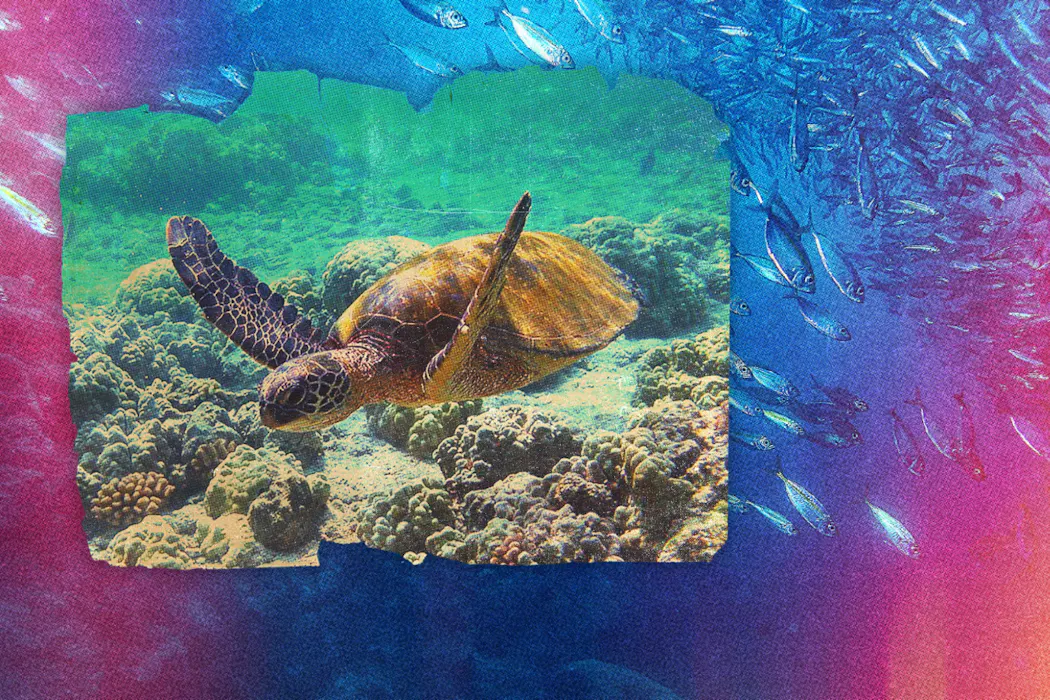
You may have heard reports of fish die-offs or seen photos of hauntingly bleached coral.
Those are just two signs a marine heatwave has swept through the sea.
Marine heatwaves happen when the ocean remains abnormally hot for an extended period. While they may be invisible from the shore, their impacts can wreak havoc underwater – killing various kinds of coral, seagrass and fish.
As climate change continues to warm the ocean, marine heatwaves will only become more frequent and severe. While we cannot stop these marine disasters happening, we can work to better understand them and reduce their impacts on vulnerable ocean ecosystems.

CC BY-NC-ND
Our climate is rapidly warming, dramatically reshaping weather around the globe. In this three-part series, we explore a range of emerging climate phenomena and consider how to respond to their destructive effects.
The science of marine heatwaves
Marine heatwaves are naturally occurring weather patterns that can form when hotter water near the surface of the ocean doesn’t mix with cooler water below. This is most common when conditions are hot, dry and windless. However, marine heatwaves can also develop when unusually strong currents carry extra heat from the tropics to colder ocean areas.
To identify a marine heatwave, scientists measure ocean temperatures and compare those observed ocean temperatures with the historical average temperature – the baseline or “normal” temperature of that location at a specific time of year.
Read more:
A marine heatwave in northwest Australia is killing huge numbers of fish. It’s heading south
Marine heatwaves occur when the ocean is hotter than 90% of historical temperature records. To be considered a heatwave, this abnormal heat must last for at least five consecutive days.
Ocean temperatures vary according to local conditions. Given marine heatwaves are measured in relation to a region’s normal seasonal ocean temperatures, they can happen anywhere and at any time of year. For example, a water temperature of 25°C at Western Australia’s Ningaloo Reef might not seem warm for that tropical area. However, 25°C in the waters around Tasmania would be considered extreme.
Terrestrial heatwaves follow the same logic as marine heatwaves. But a land-based heatwave only needs to last three days to be classified as a heatwave. Minimum night and maximum day temperatures must also be unusually hot.
An underwater disaster
Given marine heatwaves can happen in any part of the ocean, all marine ecosystems are at risk.
However, marine species cope in different ways. Those that are mobile, such as fish, can swim to cooler waters. In contrast, coral, kelp or bottom-dwelling creatures such as sea urchins can’t relocate. This means they are directly impacted by marine heatwaves. For example, they may struggle to reproduce due to heat stress. They also suffer indirect impacts, such as a lack of food if species further down the food chain are wiped out by a marine heatwave.
On land, marine heatwaves can be economically and culturally devastating for coastal communities. They can cost fisheries, aquaculture businesses and tourism operators billions of dollars in lost income. Marine heatwaves may also damage culturally significant sites, as in the case of Shark Bay, a World Heritage-listed marine ecosystem off the WA coast. They may also destroy blue carbon habitats. These are ocean-based habitats, such as mangroves and seagrass, that absorb carbon and help cool the planet.
Read more:
How much do marine heatwaves cost? The economic losses amount to billions and billions of dollars
In February 2011, a massive compound heatwave – where a marine and a terrestrial heatwave happened together – decimated ecosystems across WA. On land, it killed trees and caused the endangered cockatoo population to crash. Beneath the sea, it triggered widespread coral bleaching in the Pilbara, Ningaloo and Houtman Abrolhos Islands regions.
In September 2024, another marine heatwave swept through the waters off the coast of WA lasting several months. It was the state’s longest, largest and most severe marine heatwave ever. It killed about half of the coral in the North West Shelf region.
Most recently, sea surface temperatures have surged during the 2026 European summer, in some places by up to 5°C higher than average. This threatens marine ecosystems across the Mediterranean Sea, North Sea and Baltic Sea.
Read more:
A marine heatwave in northwest Australia is killing huge numbers of fish. It’s heading south
Worse under climate change
Marine heatwaves are a natural part of our planet’s variable climate system.
But climate change means they are becoming more common and severe. They are also lasting longer. The ocean’s thermal baseline – or the natural temperature of the ocean – is rising due to climate change. This means any temperature fluctuations compound the effects of this background warming.
Other climate drivers, including the El Niño and La Niña climate patterns, can also intensify marine heatwaves. In Australia, El Niño typically warms the waters off the east coast, heightening the risk of severe marine heatwaves there. La Niña tends to push warm water towards the west coast, driving extreme ocean temperatures off WA.
However, because of climate change, large-scale climate patterns like El Niño and La Niña are no longer necessary to trigger marine heatwaves. This means even the slightest change in these climate drivers might bring extreme heat to either coast.
Read more:
The ocean is our greatest climate regulator. It must be a stronger part of climate policy and action
Where to from here
To better understand the factors that drive marine heatwaves, we need further research that analyses changes in air and ocean currents. We should also prioritise research investigating the sub-surface ocean. Satellites monitor the surface but many severe marine heatwaves remain hidden underwater, devastating marine life without detection.
The most important step to reduce the impacts of marine heatwaves is to cut greenhouse gas emissions, limiting further ocean warming. At the same time, researchers are exploring other ways to help ecosystems adapt. These include introducing thermal tolerant species to vulnerable regions. Marine cloud brightening, which aims to temporarily reduce ocean heating by making clouds more reflective, is another option being investigated.
We must also invest in modelling to predict when future marine heatwaves may hit. Early warning systems are also vital to ensure fisheries and conservation zones can prepare for these increasingly common underwater disasters.
Read more:
Could ‘marine cloud brightening’ reduce coral bleaching on the Great Barrier Reef?

Sina Pinter receives research funding from the Western Australian government.
Nicole L. Jones receives funding from the Western Australian government and the Australian Research Council.
Original source: https://analysis1.mil-osi.com/2026/08/12/marine-heatwaves-are-cooking-our-ocean-ecosystems-and-will-only-become-more-common/