

Source: The Conversation – USA (2)
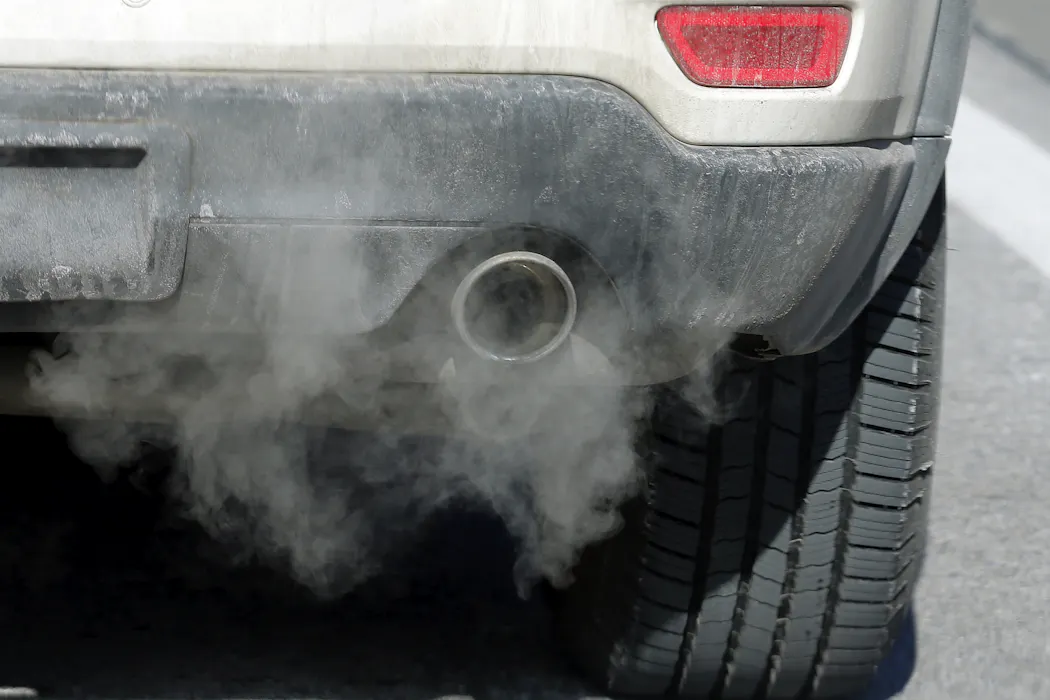
A bus company that left its buses’ engines running while parked in Boston neighborhoods has settled a lawsuit by agreeing to pay US$5.6 million in damages for the resulting air pollution.
The settlement came in a citizen-enforcement lawsuit under the Clean Air Act, which allows any person to sue alleged polluters for the harm done to human health and the environment. The case was based on a Massachusetts law that limits vehicle idling to no more than five minutes.
Like nearly all cities around the world, Boston has trouble keeping its air clean and safe, in part due to vehicle emissions. Those emissions contributed to nearly 42,000 deaths in the U.S. in 2024, or more than four people every hour.
But the law, and the legal case against the bus company, didn’t target all vehicles. Rather, they were aimed at the easier target of idling vehicles – those whose engines are running for no real reason except that someone didn’t bother to turn them off.
Reducing air pollution
Many states, including Massachusetts, have laws regulating vehicle emissions, in part because vehicles are responsible for significant amounts of different types of air pollution.
Managing environmental pollutants is an increasingly complex practice, with new sources and pollutant types emerging all the time. It is a critical profession I have long worked to train people for.
Air pollution in particular is a pernicious problem in the U.S. and globally because of its diffuse and transitory nature. And, as some research colleagues and I recently demonstrated, while air pollution is mostly regulated at the state level, almost half of all air pollution-related deaths are from pollution produced in neighboring states – including vehicle-generated pollution.
When vehicles idle, the pollution they emit builds up nearby. There really is no safe level of vehicle-generated air pollution that people can be exposed to.
Even infrequent exposure to high levels of air pollution increases people’s risk of cardiovascular damage. Vehicle emissions can cause lung damage and worsen respiratory conditions like asthma and bronchitis, and have been linked to heart disease, cancer and premature death.
Idling of vehicles with engines that burn fossil fuels also emits climate-warming greenhouse gases like carbon dioxide, though climate concerns are not the primary target of anti-idling laws.

Deb Cohn-Orbach/UCG/Universal Images Group via Getty Images
Why idle?
Idling a vehicle does not help an engine last longer than turning it off and on frequently. And research has found that after about 10 seconds, any savings from idling – rather than turning off a vehicle – are surpassed by the cost of the fuel burned.
Some vehicles, like those that run onboard refrigeration systems to keep cargo cool, may need their engines to run even when they are parked. But most often, drivers let their vehicles idle for convenience, like keeping the air conditioning on while waiting for passengers to board.
While idling is intermittent and usually of short duration, estimates of the cumulative effect are staggering. Idling in the United States uses more than 6 billion gallons of fuel at an estimated cost of more than US$20 billion to consumers and businesses each year. About half of that is attributable to personal vehicles.

Rick Loomis/Los Angeles Times via Getty Images
Effects of laws against idling
In short, anti-idling laws target potentially severe pollution health risks from what is generally a wasteful practice of convenience.
The effects of idling reduction laws are hard to estimate, in part because the pollution from idling is diffuse and intermittent. Complicating estimates, but improving the overall picture, is new technology such as onboard automatic start-stop systems in modern vehicles. The U.S. Department of Energy estimated that the combination of technology and idling policies provided savings of the equivalent of 60 million gallons of gasoline in the U.S. in 2024, though that only translates into less than a 1% reduction in all transport-related air pollution emissions.
While there are limited studies and corresponding data to draw upon, what does exist suggests enforcement rates are generally low, and they rely on volunteer compliance and public relations programs, which deliver mixed results in actually reducing idling.
For example, in Chicago, which has had a citywide anti-idling ordinance since 2009, only about 800 citations have been issued in the past 15 years.
That said, a combined effort of a law, alongside public-awareness campaigns highlighting the economic and health benefits of simply turning off your engine, does seem to produce better results than a law alone.
New York City has tried to get citizens involved in enforcement by giving people who report an illegally idling vehicle one-quarter of the fine assessed. Citizen reports were responsible for more than 90% of the city’s enforcement actions by 2023, raising rates from 455 violation reports in 2017 to more than 80,000 by 2023.
However, a group of bus companies filed a federal lawsuit in May 2026 alleging that the law and the citizen-enforcement program violate the U.S. Constitution by impeding interstate commerce and conflicting with federal safety regulations that require buses to maintain safe interior temperatures and keep accessibility equipment running.
The bottom line is that keeping your vehicle running when it’s not moving wastes gas and pollutes the air. Even if it’s not illegal where you are, it’s worth being aware of – and stopping if you can.

Richard Marcantonio does not work for, consult, own shares in or receive funding from any company or organization that would benefit from this article, and has disclosed no relevant affiliations beyond their academic appointment.
Original source: https://analysis1.mil-osi.com/2026/07/31/leaving-vehicle-engines-idling-is-unhealthy-expensive-and-often-illegal/