

Source: The Conversation – UK
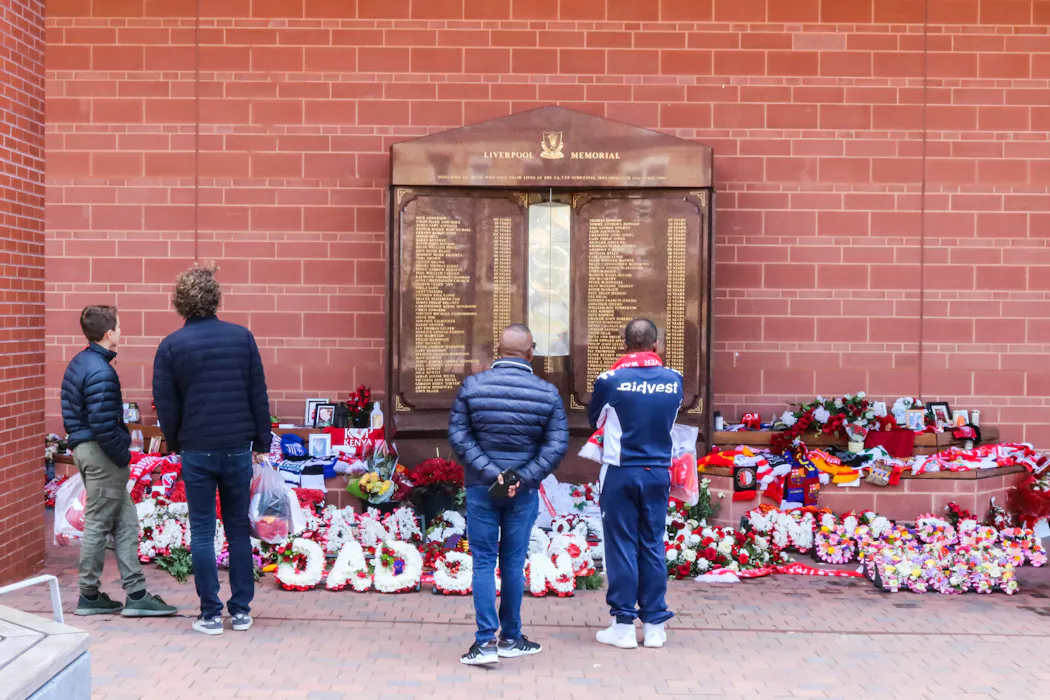
A new law created in the wake of the Hillsborough disaster, which aims to prevent state cover-ups, has finally passed through the UK’s House of Commons.
The Hillsborough Law has been championed by the campaign for truth and justice which emerged from the tragedy that unfolded on April 15 1989, during an FA cup semi-final between Liverpool and Nottingham Forest at Hillsborough stadium in Sheffield. A crowd crush resulted in the deaths of 95 people. Another person died in March 1993 as a result of injuries sustained that day, with a similar final death in July 2021.
A subsequent public inquiry and an inquest found that in the aftermath of the disaster, South Yorkshire Police deliberately engaged in a strategy of denial and obfuscation – blaming fans for the tragedy.
South Yorkshire Police released statements suggesting intoxicated, ticketless Liverpool fans had caused the crush. The force also altered witness statements to remove negative comments about police conduct during the investigation. These baseless accusations were promoted in parts of the British media as fact.
As a result of campaigning by families of Hillsborough victims, a number of state-mandated investigations were held into the disaster. Initial inquests and a public inquiry did little to reveal the truth.
But in 2009, the Bishop of Liverpool James Jones was appointed to chair the Hillsborough Independent Panel (HIP), which finally put survivors and families first and ensured the questions they wanted to have answered fundamentally drove the panel’s work.
The HIP was made possible only as a result of tireless campaigning in the face of years of denial and disappointment. It definitively dispelled the myth of fan culpability, revealing the true causes of the Hillsborough disaster to be a combination of longstanding safety issues and unprecedented police mismanagement of the crowd as well as the subsequent establishment cover-up.
A positive legacy
Campaigners’ struggles raised questions about how those in positions of power were able to shift blame in the wake of disasters. These questions only became more salient in the aftermath of the panel’s report. Campaigners were also vindicated in 2016, when new inquests finally ruled that the fans who died as Hillsborough had been unlawfully killed. Yet this too raised profound questions about how this truth could have been surpressed for so long.
Further scandals, including the Post Office Horizon IT scandal and the Grenfell Tower fire, each pointed to the need for greater accountability and candour from people in positions of power. In seeking to build a positive legacy out of trauma, the Hillsborough community has led the fight for this through what has been dubbed the “Hillsborough Law”, which passed unanimously through the House of Commons on July 14.
The original Hillsborough Law (the Public Office Accountability Bill), was introduced before Parliament in 2017 by Andy Burnham. He had developed a close link with the Hillsborough campaign for justice, having raised their cause in Parliament in 2009 after he was heckled at a 2009 anniversary event held at Anfield whilst serving as culture secretary.
It had been drafted by lawyers who had worked with Hillsborough victims’ families, and it made two key demands. First, that those in public life must tell the truth during police investigations (an “active duty of candour”) into disasters like Hillsborough. Second, that communities directly affected by disasters have access to funds to cover their legal representation, addressing their financial imbalance.
However, the 2017 general election interrupted the bill’s passage through parliament. Burnham subsequently left Westminster to become the mayor of Greater Manchester, and the legislation was not reintroduced.
In the wake of further cover-ups including Grenfell and Post Office Horizon, in 2022 the Hillsborough Law Now campaign launched. It involved a number of community campaigns such as Grenfell United and allies including Burnham and Liverpool MP Ian Byrne.
During his speech to the Labour party conference in 2024, Prime Minister Keir Starmer confirmed that Labour would pass the Hillsborough Law.
However, Labour missed its self-imposed deadline for introducing the bill before the 36th anniversary of the Hillsborough disaster, citing the need for more time “to draft the best version” of the bill.
Campaigners were concerned that Labour might be watering down the Hillsborough Law, amid pressure to exempt security services from the duty of candour on the basis that requiring them to do so could compromise national security, and rumours that Labour was considering ditching the proposal for funding of legal representation to avoid footing hefty legal costs.
In the face of this, the Hillsborough Law Now campaign quickly mobilised, lobbying the prime minister directly and campaigning publicly for the law to be enacted in full.
Following negotiations between the prime minister and families of the victims of the Manchester Arena bombing who argued that their fight for truth and justice was harder because of failures in security service candour, this will now happen – with no exceptions.
The political legacy of the Hillsborough Law
For Starmer, ensuring the Hillsborough Law passed through the Commons was one of his last acts as prime minister. Having personally promised some of the relatives that he would ensure the law was enacted, he now seeks to frame it as a key part of his own legacy.
Starmer’s successor, Burnham, was a key early proponent of the Hillsborough Law. Burnham has linked the bill to broader questions. Burnham asked: – “What kind of country we want to be? One where power is concentrated in distant institutions, or one where it is shared more fairly with the people and places those institutions are meant to serve.”
The Hillsborough Law will not be a magic bullet for ensuring truth and accountability in the wake of major disasters. But it might be a step towards shifting the balance between powerful figures and the communities affected by disaster and cover-ups.

Nathan Critch does not work for, consult, own shares in or receive funding from any company or organisation that would benefit from this article, and has disclosed no relevant affiliations beyond their academic appointment.
Original source: https://analysis1.mil-osi.com/2026/07/17/why-the-hillsborough-law-has-finally-been-passed-37-years-on/