

Source: The Conversation (Au and NZ)
Australia is a world leader when it comes to adopting rooftop solar systems. But our solar transition is leaving renters and apartment dwellers behind.
According to the latest census, almost one-third of Australians rent their homes, live in apartments or are connected to private energy networks. These households are largely unable to benefit from rooftop solar.
Our research shows the reasons for this include limited roof space, relatively high costs for upgrading switchboards and wiring, and long approval wait times. Landlords may also be reluctant to install solar as any energy bill savings go directly to renters.
So renters and apartment dwellers face multiple obstacles in accessing free solar energy. That’s where plug-in solar comes in.
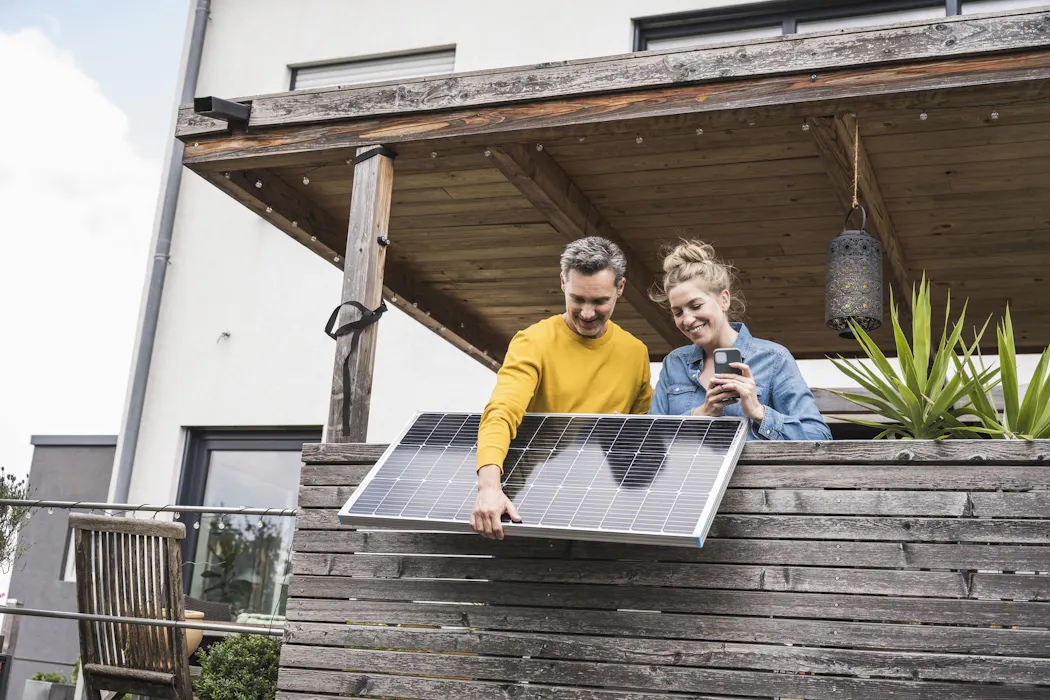
Plug-in solar systems – also known as balcony solar because they can be hung off balcony balustrades – are a convenient, low-cost way for households to take control of their energy use.
But there are several reasons why these systems aren’t being rolled out across Australia.
What are plug-in systems?
Plug-in solar systems are generally made of one or two solar photovoltaic panels, which turn sunlight into electricity. They also have a micro-inverter, which converts solar-generated electricity into the type of electricity that can power household appliances.
These “mini power plants” just need a standard power plug to work. So unlike rooftop systems, they are easily installed and removed without the help of an electrician. Many also include a battery, which stores any extra electricity.
Germany is spearheading the uptake of plug-in technology, with more than 1.2 million systems now installed across the country. The technology has recently also been legalised in other European nations such as France and Austria, as well as the United Kingdom and many jurisdictions in the United States.
Read more:
After home batteries, could the humble water heater be the next big step forward?
Could they save you money?
Plug-in solar systems could help Australians save hundreds of dollars on their annual power bills. However, the exact benefits depend on what kind of home you have and how you use energy.
We used the Nationwide Home Energy Rating Scheme Whole of Home tool to estimate how much households in Australia’s capital cities could save by installing a one-kilowatt plug-in solar system that is vertical, unshaded and faces true north. A household in Canberra could save A$226 each year. In Adelaide, this figure rises to $372.
This equates to about 13% in savings, based on the average amount Australians pay in annual energy bills. This may be even higher for low-income households, which typically use less electricity than other households.
Obstacles remain
In Australia, these systems are gaining traction among advocates and policy makers. However, it’s currently illegal to install such systems in Australia.
If this is to change, we must overcome three main obstacles.
Technical challenges
Currently, no tested or certified plug-in solar systems are available in Australia. This means existing technical standards and safety rules don’t account for this new technology. More research is needed to understand how we can use plug-in systems safely, and how they may affect the wider electricity grid. This will determine if we place limits on how big these systems are and whether they can be exported. It will also tell us if we must update Australia’s household wiring standards.
Regulatory challenges
Australian rental and strata laws are a major barrier to adopting plug-in systems. These laws give landlords and body-corporates – legal bodies that manage shared property such as an apartment block – more control over building upgrades than the people living in the homes. However, Germany has changed its rules to empower households. For example, German landlords and body-corporates can’t unreasonably block plug‑in balcony solar systems, say if they simply don’t like how the systems look.
Social challenges
Our research shows many renters and vulnerable households want more climate‑friendly homes. However, they may not make any concrete changes because they lack information or mistrust new technologies. To ensure all Australians benefit from renewable energy systems, we need solutions that suit different kinds of households and are co-designed with local communities.
Read more:
‘A giant blanket’: how better insulation lowers energy costs for you and the grid
What can we do right now?
In Australia, we’re not yet ready to install plug‑in solar systems. But portable power stations are already available, and could help more Australians benefit from free solar power.
Portable power stations are indoor battery packs charged via a household powerpoint. These packs are able to store free daytime electricity for later use and have sockets to connect lights, small appliances and devices such as TVs, computers and phones. These stations can be installed in Australia without the approval of an electrician, landlord or strata body.
The new federal Solar Sharer Offer and Victoria’s upcoming Midday Power Saver provide free midday electricity tariffs to eligible households. Electricity tariffs determine how much you pay for the energy you consume. Free midday tariffs are most helpful for households who can use a lot of power over lunchtime.
For people who aren’t as flexible, however, portable power stations allow the storage of this free midday electricity to use at other times. This combination may also benefit people living in high-rise apartments, where it’s difficult to install rooftop solar. But some people may need support to buy and use them efficiently.
Australia is making ground in our clean energy transition. But we must develop safe and affordable ways for all households to switch to renewable electricity.

Nicola Willand has received research funding from the Australian Research Council, Victorian government, Lord Mayor’s Charitable Foundation, Future Fuels Collaborative Research Centre, National Health and Medical Research Council, British Academy and Energy Consumers Australia. She is a trustee of the Fuel Poverty Research Network charity and is affiliated with the Australian Institute of Architects.
Alan Pears has received funding from the RACE for 2030 Cooperative Research Centre. He is a member of the advisory panel of the Australian Renewable Energy Agency. He provides advice to a number of community groups and industry associations and, in some cases, receives payment for this input. However, his paid consulting work is not associated with residential energy issues.
Mike Roberts has received research funding from the RACE for 2030 Cooperative Research Centre, Australian government, New South Wales government, Energy Consumers Australia, Ausgrid and Essential Energy. He is a former director and chair of the Australian Photovoltaic Institute.
Xiufang Li has previously received a grant funded by AusNet, which is not related to the topics discussed in this article.
Original source: https://analysis1.mil-osi.com/2026/07/15/balcony-solar-and-plug-in-systems-could-help-cut-your-energy-costs-but-only-if-rules-change/