

Source: The Conversation (Au and NZ)
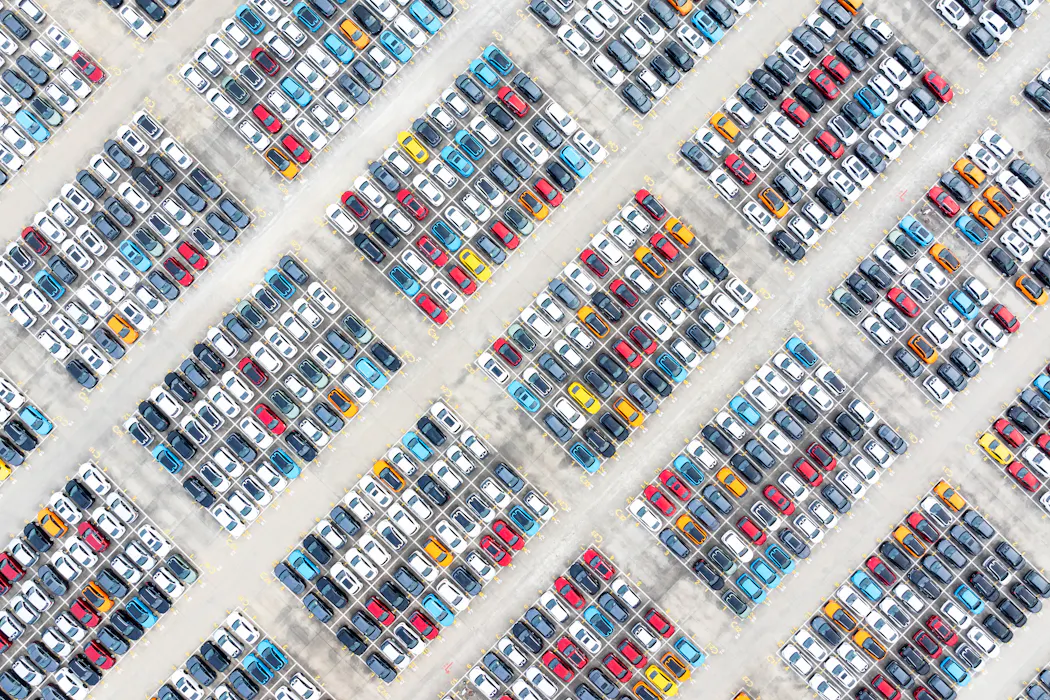
In Germany, Japan and the United States, famous carmakers are in trouble. One reason is intense competition from Chinese electric vehicle manufacturers – and growing public demand for EVs. The automakers who dominated the 20th century have largely failed to shift to electric.
Volkswagen was once the biggest carmaker in China. Now it only has a bit part. In June, it announced plans to cut 100,000 jobs worldwide. “We have no chance against this,” admitted Honda CEO Toshihiro Mibe after visiting a high-tech EV factory in Shanghai. Months earlier, Ford CEO Jim Farley warned Western carmakers were “in a fight for our lives”.
In 2025, Chinese factories produced almost 75% of the world’s EVs. As more and more drivers go electric, esteemed brands and luxury carmakers have been forced to close factories and scramble to stay relevant. The global shift to EVs has accelerated amid the US-Iran conflict.
China’s rise wasn’t a given. It was a gamble. But it is now paying off – and legacy automakers are struggling to cope.
Sudden success, decades in the making
In 1949, the Communists won the Chinese civil war. That same year, the new People’s Republic of China established its first car factory to reduce reliance on imports and develop manufacturing strength.
In the late 1970s, leader Deng Xiaoping began opening China to outside investment – including the car industry. During the 1980s and 1990s, local automakers partnered with foreign carmakers to manufacture their cars in Chinese factories. This gave Chinese automakers access to the technological know-how of experienced foreign firms.

Michelle Shu Wun Kuek, CC BY-NC-ND
Despite this, the Chinese industry remained relatively small, its market dominated by European and Japanese cars. Western carmakers were focused on the threat from giant Japanese carmakers such as Toyota. China wasn’t on the radar.
By the early 2000s, China’s car industry was producing cars for its huge domestic market. But exports were tiny, as foreign carmakers dominated production of internal combustion engine cars. Chinese policymakers realised they couldn’t compete on this turf.
What about hybrids? No chance – Japanese manufacturers were far ahead with models such as the Prius.
The only solution was to focus on new technologies.
Electric vehicles were almost nonexistent in the early 2000s. Tesla would only release its first EV in 2008. But China’s leaders bet heavily on an electric future, investing in the industry and making ambitious plans to encourage existing carmakers and startups.
If successful, electric vehicles would cut China’s heavy dependence on imported oil and curb the severe air pollution that drew world attention during the 2008 Beijing Olympics.
Success was not guaranteed
In the early 20th century, EVs outsold combustion engine cars. But battery technology wasn’t good enough.
From the 1960s onwards, US automaker General Motors repeatedly tried to develop EV models only to shelve them due to internal pressures, external scepticism and a lack of charging infrastructure.
The most famous was the EV1, briefly available during the late 1990s. Production ended in 2003.

Dewalttx/Wikimedia
That same year, Chinese leaders announced EVs would be a priority in the country’s new Five-Year Plan, focusing on batteries and other technologies.
Between 2009 and 2022, Chinese authorities handed out over A$41 billion in tax breaks and subsidies to develop electric cars, taxis and buses.
While some companies failed or were bought out, others succeeded. The world’s biggest manufacturer of EV batteries, CATL, began life as a battery manufacturer for consumer electronics. BYD had similar beginnings before moving into combustion engine cars and then EVs. It’s now the world’s largest EV manufacturer. Subsidies and growing demand turned both companies into giants.
Intense competition drove innovation, but also led to price wars and a “brutal” domestic market. This increased the importance of exports.
Why didn’t other carmakers follow suit?
Established Western carmakers operate in a different context.
Changing political cycles mean there’s less certainty about government backing. Their typically older consumer base is more attached to combustion engines. Experimental EV models were never given the backing to scale up. The biggest Western EV manufacturer is Tesla, which began as a startup rather than a large, slow-moving conglomerate.
As they fell behind, legacy carmakers had less state support and answered to short-term profit cycles. They faced bigger supplier and dealer networks – and more powerful unions. These constituencies were unconvinced by EVs, which took 30% less labor.
Even now, Japanese automaker CEOs remain ambivalent about EVs. Last month, Toyota chairman Aiko Toyoda admitted EVs were his “biggest fear”. “I love engines,” he said. For Toyoda and other leaders, there’s a strong tendency to try to keep things as they were. But that is becoming impossible.
The gamble paid off
In China’s cities, roads are almost free of engine noise. Air quality is improving and oil imports are dropping.
China’s automakers have come of age. After exporting few cars 20 years ago, China is now the world’s largest exporter. That threshold was passed in 2023, when exports of almost 5 million cars to over 180 countries saw China overtake Japan.
The pace is dizzying. After launching in Australia in 2022, BYD is now Australia’s second-biggest car brand. Last month founder Wang Chuanfu predicted BYD would overtake Toyota within five years.
For other automakers, Chinese success is a bitter pill to swallow. Larger brands seem best positioned to compete. US legacy automakers may retreat behind tariff walls. But some will not survive.

Timothy Minchin receives funding from the Australian Research Council.
Michelle Shu Wun Kuek does not work for, consult, own shares in or receive funding from any company or organisation that would benefit from this article, and has disclosed no relevant affiliations beyond their academic appointment.
Original source: https://analysis1.mil-osi.com/2026/07/14/20-years-ago-china-bet-big-on-electric-vehicles-now-western-carmakers-are-feeling-the-pain/