
Source: The Conversation (Au and NZ) – By Margaret Murray, Senior Lecturer, Nutrition, Swinburne University of Technology
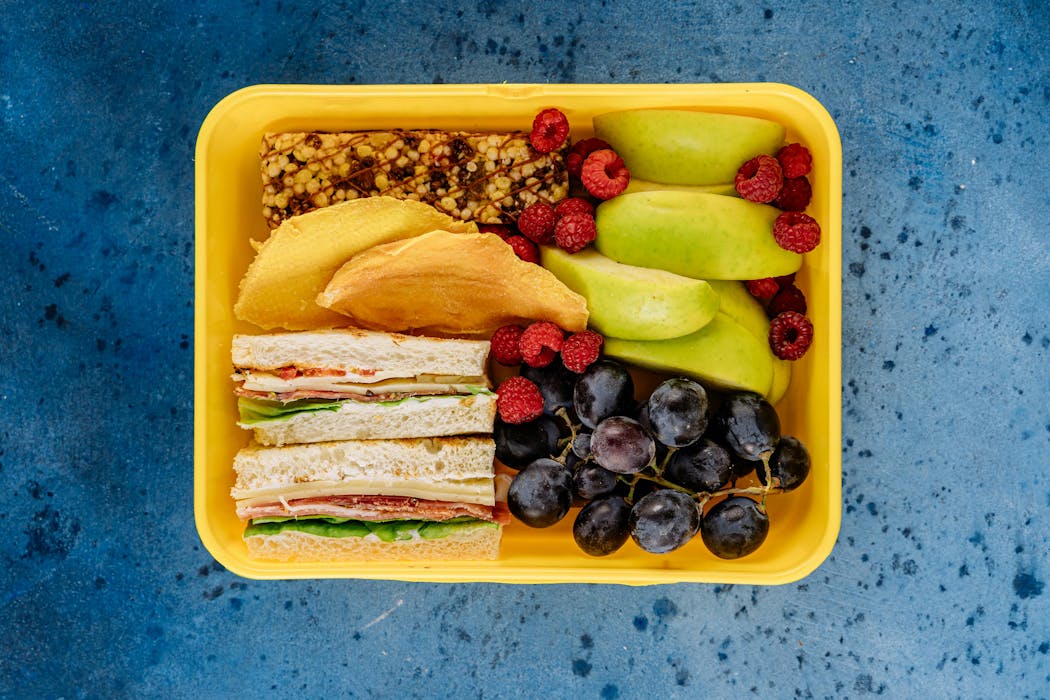
School is back and, with it, the daily task of packing a lunchbox.
If your child is coming home with uneaten sandwiches, you’re not alone. They’re easy to make and transport, but sometimes the last thing kids (or adults) want to eat.
The food kids eat at school typically provides at least one-third of their daily energy intake. So a nutritious lunchbox is an important way to support their overall health, as well as their focus and performance at school.
While sandwiches may be an obvious lunchbox choice, there are loads of other options.
What can you pack instead?
If you don’t want to stray too far from the sandwich, but want to change things up, try out sandwich sushi, or a sandwich roll. It uses similar ingredients to a sandwich but in the shape of a sushi roll.
To make sandwich sushi, cut the crusts off, flatten the bread using a rolling pin or your hand. Spread the bread with a dip or other ingredient such as avocado or tuna, fill with ingredients such as sliced cucumber or carrot, then roll and cut it like sushi.
You may also be inspired to try making some sushi rolls. These take a little more preparation, including cooking the sushi rice in advance, but are a great sandwich alternative.
If you want to stick with bread, a roll, wrap or pita pocket may be enough change to keep the lunchbox feeling fresh. You could try out recipes like this chicken and avocado wrap or ham and salad pita pocket.
A frittata is another good option for replacing the sandwich as the main lunchbox meal. Frittatas need to be prepared in advance but can be easily adapted based on ingredients you’ve got in the fridge or cupboard such as cherry tomatoes, mushrooms, baby spinach, roasted pumpkin or frozen corn.
Likewise, a savoury muffin (like these cheesy corn muffins) takes a bit or preparation but can be bulk cooked and portioned in advance to make mornings quick and easy. There are lots of different recipes for savoury muffins, so find one that suits your tastes. This recipe uses zucchini, carrot, peas and corn.
Dinner leftovers can also make great lunchbox meals. Stir fry with noodles, or a hearty salad like this Mexican-style one with beans, can be packed into containers to make a nutritious lunch.
Other salad options include pasta salad or this balsamic bean salad.
To make a salad that’s going to be filling for lunch, try to include some wholegrain carbohydrates (such as brown rice, wholemeal pasta, barley, lentils or quionoa) and a source of protein (such as egg, cheese, tofu, kidney beans or chicken).
Having an insulated lunch box or thermos can help to keep foods hot or cold until lunch time.
What else should a lunchbox include?
A lunchbox is more than just the main meal: a balanced lunchbox should include a main meal, a fruit or vegetable snack, another snack and a drink.
Snack options might include plain popcorn, hard boiled eggs, yoghurt, cheese sticks, crackers and fresh fruit and vegetables (which can be cut into pieces for easier munching).
For a balanced lunchbox, try to include at least one item from each of these food groups:
-
fruit (such as banana, grapes, apple, berries, pear, stone fruit, melon)
-
vegetables (carrots, celery, pumpkin, spinach, tomatoes, cucumber)
-
grain and cereal foods (rice, wholegrain crackers, noodles, bread, wraps)
-
meat or meat alternatives (eggs, nuts, chicken, tuna, lentils, tofu)
-
milk, yoghurt or cheese (or non-dairy alternatives like soy milk)
-
water.
Including foods from each of these groups will help to ensure the right balance of carbohydrates, fats, protein, vitamins and minerals.
Using a lunchbox with multiple compartments can help with packing a small portion of each different food. For example, rice crackers in one compartment, cheese cubes in another, and some cherry tomatoes and mini cucumbers in a third.
Offering variety and keeping portions small can also help to manage fussy eating.
Making it easier for parents
Parents juggle food preferences, logistics, societal expectations, time, nutrition and other pressures.
As a society, we need to better support families to create healthy and sustainable lunchboxes. Research suggests suggests this could include:
- giving students a longer time to eat lunch at school
- teaching students about the value of food
- supporting healthy canteen policies
- restricting marketing to children
- improving the clarity of food labelling.
Some experts also argue we should move to a school-provided lunch program.
These changes can’t be implemented by schools or parents alone but require action across multiple industries and government departments.
In the meantime, it’s important to acknowledge the challenges and value the effort associated with putting together the daily lunchbox.

Margaret Murray does not work for, consult, own shares in or receive funding from any company or organisation that would benefit from this article, and has disclosed no relevant affiliations beyond their academic appointment.
– ref. My kids (and I) hate sandwiches, what can I pack for lunch instead? – https://theconversation.com/my-kids-and-i-hate-sandwiches-what-can-i-pack-for-lunch-instead-275207