
Source: The Conversation (Au and NZ) – By Yaqoot Fatima, Professor of Sleep Health, University of the Sunshine Coast
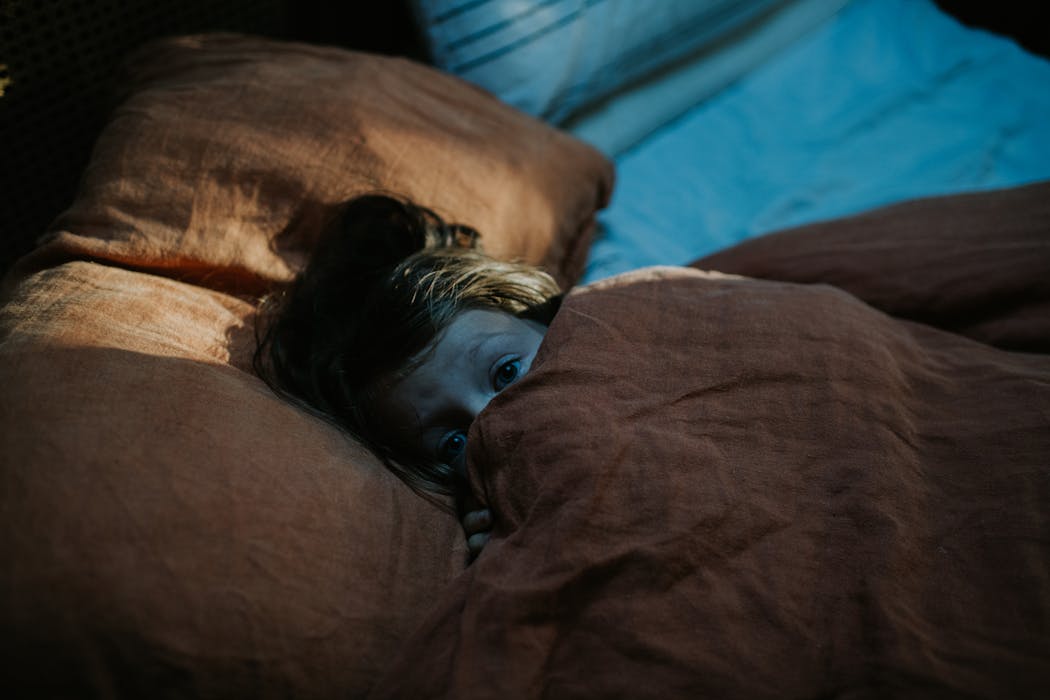
For many families, the holidays mean sleep routines go out the window. Bedtimes drift later, screens stay on into the late evening, sleep-ins become the norm.
But as term time rolls around, parents start to dread what’s coming – getting overtired, half-asleep kids up, dressed and out the door on time.
We are experts in sleep health. With a little planning and patience, you can bring sleep back into your routine without turning bedtime into a nightmare.
The science behind holiday sleep drift
During the school term, children’s sleep–wake cycles are usually regulated by fixed daily schedules and predictable bedtimes. These play an important role in stabilising circadian rhythms (the internal body clock). On school days, children are typically exposed to morning daylight and structured indoor lighting, both of which help set the body clock.
During holidays, children are more likely to have increased evening exposure to screens and artificial lighting, which can delay melatonin release – the hormone that promotes sleep.
Understandably, sleep also becomes less regular. This in turn can weaken daily signals which help regulate sleep timing, making it harder to maintain a stable sleep–wake pattern.
What are the signs my child’s sleep is ‘out of whack’?
A child’s sleep schedule may be considered “out of whack” when their sleep timing becomes inconsistent and starts to affect how they function during the day.
Common signs include frequent late bedtimes, difficulty falling asleep, difficulty waking in the morning, and feeling groggy or tired during the day.
You may also notice changes in mood and behaviour, such as irritability, emotional outbursts, reduced concentration or increased restlessness and hyperactivity.
Large day-to-day shifts in sleep and wake times (especially during school holidays) can also be a sign their body clock is out of sync and their sleep schedule needs attention.
Why is it important to have a healthy sleep routine?
If you think about how you feel after a bad or broken night’s sleep, it’s probably not hard to understand why we need a healthy sleep routine.
For children, the stakes are even higher. Sleep supports brain development, consolidates learning, processes emotions and allows the body to recover.
When sleep routines are disrupted children may struggle with concentration and memory, have mood swings and behavioural difficulties, and find it harder to regulate emotions. All these factors can affect school performance and social relationships.
Here’s how to get back into a sleep routine.
1. Have regular bed and wake times
Start by setting a regular bedtime and wake time every day, including weekends, to ensure children get the right amount of sleep for their age. For primary school children, this means around nine to eleven hours a night.
If your child has been staying up later over the holidays, gradually bring bedtime earlier by 15-30 minutes every few nights until it’s back in line with their regular schedule. Do the same for wake time if your child has been sleeping in. Earlier wakings can be encouraged with exposure to daylight in the bedroom and a healthy breakfast to help realign their bodily rhythms.
Napping during the day should be avoided, as naps can interfere with nighttime sleep.
2. Have a wind-down routine
Going to bed earlier may be challenging for some children. A calming bedtime routine of relaxing activities may help some children sleep more easily. A warm bath or shower, soft music, reading a book or cuddling with a caregiver may provide comfort.
If they find it difficult to fall asleep, suggest they come out of their bedroom for a short time (such as 15 to 20 minutes) to do a quiet activity (such as reading or drawing – no screens!). This may help them feel sleepy before returning to bed.
3. Make bedrooms quiet and dark
The sleep environment matters too. A quiet, dark, comfortable space where children feel safe helps tell the brain it’s time to sleep.
Simple reward systems, such as sticker charts, can reinforce routines for younger children. This can show kids sleep is a positive and predictable part of their day.
Do the same things yourself
And don’t forget the role of parents. Good sleep habits also need to be modelled by parents. When older children see their parents maintaining consistent bedtimes and calm wind-down routines, they’re more likely to follow suit.
It won’t be perfect overnight.
Re-establishing healthy sleep patterns may take a week or two.
So start, and stay consistent, and you’ll make back-to-school mornings calmer and easier for everyone.

Yaqoot Fatima receives funding from MRFF, NHMRC, Beyond Blue.
Jasneek Chawla receives funding from MRFF, NHMRC, Children’s Hospital Foundation
Jasneek Chawla is President and a Board Director for the Australasian Sleep Association.
Danielle Wilson and Nisreen Aouira do not work for, consult, own shares in or receive funding from any company or organisation that would benefit from this article, and have disclosed no relevant affiliations beyond their academic appointment.
– ref. Did the kids stay up late in the holidays? 3 ways to get sleep routines back – https://theconversation.com/did-the-kids-stay-up-late-in-the-holidays-3-ways-to-get-sleep-routines-back-273811