

Source: The Conversation – UK
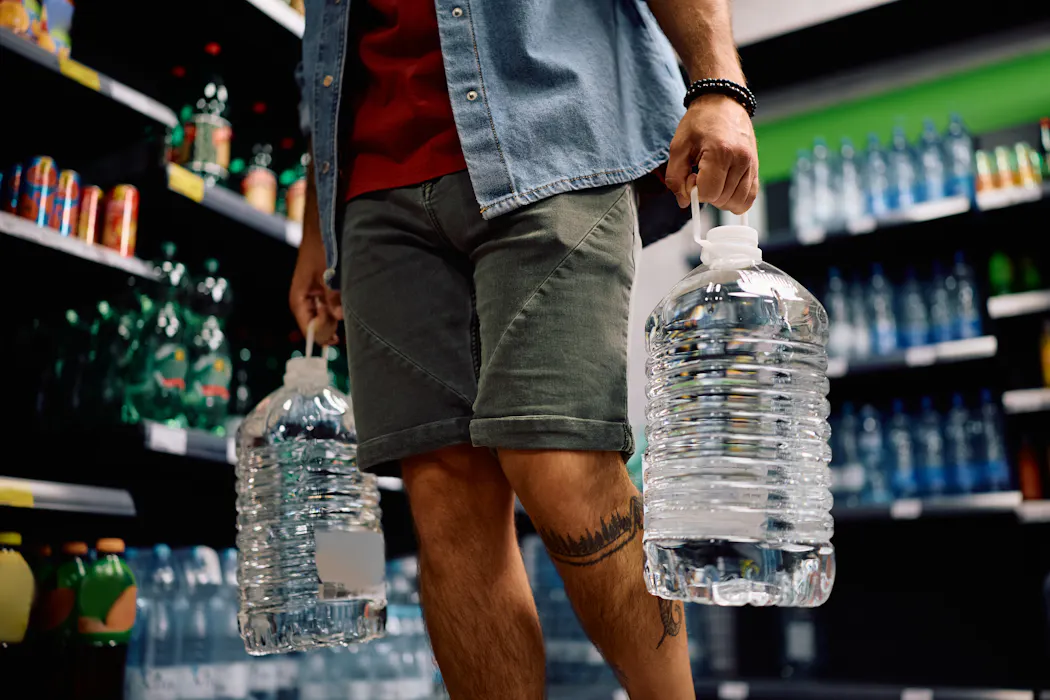
Soon after the government launched its “Be Ready” campaign, supermarket shelves were empty where the bottled water usually sits. Torches quickly went out of stock too.
Two days before the campaign launch in October, one of us (Sayed Elhoushy) argued at a Parliamentary Office of Science and Technology roundtable that households need a clear standard for what being prepared means, including how to build supplies gradually. The “gradually” is key.
In the ten days following campaign launch, sales of essentials surged. According to retail research firm Worldpanel, sales of tinned food rose by 37%, bottled water by 67% and hand sanitiser by 83%.
The Be Ready campaign asks households to stock three days of supplies, including water, tinned food, medicines and cash. It tells people what to buy, but little on when. Without guidance on timing, many households may all act on the same advice at the same time.
When shelves emptied before the first COVID lockdown, researchers at the Institute for Fiscal Studies showed the higher demand came from more households than usual buying storable goods. Shoppers can still strip a shelf, even if they all buy little amounts, at once. The anticipation of empty shelves can then raise urgency and fear. That urgency and fear change how people shop.
Where fear falls short
The past few years witnessed a series of unprecedented, concurrent and consecutive disruptions. Cost-of-living crisis, heatwaves, droughts and geopolitical tensions created uncertainty in peoples’ daily lives. When people feel unsafe, they buy more, and shortages follow, real or imagined. Research with US shoppers during COVID found that fear can override good intentions: people who wanted to shop responsibly still stockpiled when they were afraid.
Scarcity makes products more desirable and pushes people to seek more, within short notice. In the pandemic, the risk of store closures created panic. People rushed for staples, driven by fear of missing out, social conformity or herd mentality.

gopixa/Shutterstock
People do not make the best decisions when pressured. They look for short-term, smaller gains, at the expense of longer-term, better ones. Feelings of urgency shortens decision making time, but can also cause post-purchase regret. Fear of missing out, triggers anxiety and panic buying. Social media intensifies such emotions.
Who can be ready?
Prepping, or getting ready in anticipation of disruptions, can favour the privileged. Research shows that adjusting to changes takes extra space, time and money, just when rising prices are squeezing budgets. Prepping can be gendered, reflecting the already disproportionate share of domestic and care work in households.
The Be Ready checklist suggests 36 litres of drinking water for a family of four. Carrying 36kg home is an enormous challenge if you do not have a car. In minimising disruptions, and attempting to empower, it is critical that plans do not exacerbate existing vulnerabilities during crisis situations.
The UK Public Survey of Risk Perception identifies that 29% of respondents consider costs as limiting. A quarter do not want food to go out of date and end up in the bin.
Stockpiling however, does not necessarily mean more waste. Italian households bought more food during lockdown, yet waste was low, as they mostly bought non-perishables. UK households self-reported 34% less food wastage, as people planned meals, froze leftovers and cooked from what they had.
How a sense of control helps
If fear drives buying, a sense of control calms it. Research shows that shortages weaken people’s sense of control, which fuels panic buying. Uncertainty can also fuel people’s anxiety, making panic buying more likely. When many households act on the same advice in the same week, they can create the very empty shelves that unsettle others. A clear plan gives that control back.
Advice to build up supplies over a month, adding two or three items to each shop. Start with water and tinned food, then add medicines and batteries. This spreads demand for retailers, spreads the cost for households, and gives people a clear plan to follow. Information should also be provided in multiple languages, across modalities, to increase awareness about risks while making them ready.
Food literacy should come to the fore. Consumers need to understand how to look out for expiry dates and use products on a first in, first out, basis to minimise waste, engage with food preservation.
Preparedness should start at school too. A review of 61 studies shows that disaster education in schools works, but many countries do too little. Programmes work best when lessons involve families and the wider community. Children then bring the plan home, resocialising their households towards joint actions.
What the public posts online also matters as much as what government says. A study of UK shoppers during COVID found that photos of empty shelves on social media increased uncertainty about stock; many responded by buying more. Those photos can signal fear and lead to panic. Retailers can help too. Setting allocation mechanisms such as maximum purchase quantities per customer can support with matching demand and supply.

The authors do not work for, consult, own shares in or receive funding from any company or organisation that would benefit from this article, and have disclosed no relevant affiliations beyond their academic appointment.
Original source: https://analysis1.mil-osi.com/2026/11/23/panic-buying-gradual-stockpiling-makes-for-better-prepping-without-emptying-supermarket-shelves/