

Source: The Conversation – UK
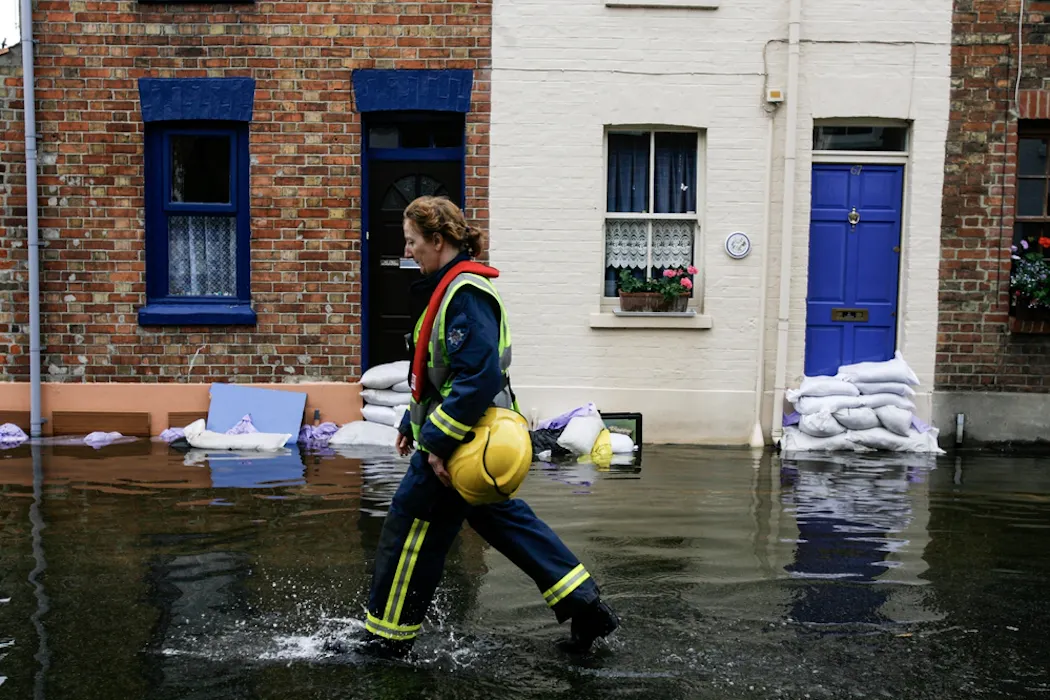
A footpath home disappears beneath brown water. The other side is only a few metres away and someone has already crossed. Turning back means a long detour and you will be late. Would you wade through? This is the kind of everyday decision that flood safety advice must address.
People do not need to be thrill-seekers to enter dangerous water. They may just be trying to get home. But a familiar route can become an unfamiliar hazard within minutes.
Flooding is one of the leading causes of death during climate disasters worldwide. People can underestimate the speed or power of the water, or they might not spot underwater hazards that could mean they trip and fall.
A significant number of deaths are due to avoidable behaviour. There have been some recent UK fatalities during floods, including in 2023, when storm water rose suddenly.
In the US, the second highest cause of deaths during floods is people walking into or near water. The US National Weather Service warns just six inches (15cm) of fast-moving water can knock over an adult.
With the UK likely to see high levels of rainfall this winter, and flood risk increasing, it’s worth asking why people decide to wade through floodwater.
A review of research on behaviour around floodwater identified several reasons. One is just wanting to get to a destination, such as going to work or school. Other factors include people travelling to flooded areas to taking photos of the extremely high water levels. Protecting property or pets and helping others who are in trouble are other reasons. Underestimating danger and being influenced by other people were major themes.
Watching someone wade through flooded water could make you feel reassured, even though their height, strength and route may differ from yours. Previous success at walking through a flooded road can also encourage someone to have another attempt. Yet getting through safely last time tells you little about the current conditions.
Media images of floods sometimes depict people paddling through flooded streets. This can make the scene look recreational. This does not, of course, prove that such pictures cause risky behaviour. But it is a reason for news organisations to explain the hazards of entering flood water alongside them. What looks like harmless fun, of people getting on with life – being resilient despite the flood – in a photograph or clip may conceal a strong current or a missing drain cover. Government advice is not to walk through floodwater and also warns that floodwater could be contaminated.
Read more:
Floods and droughts are both signs of water insecurity – they show up in these four places
Why appearances can be deceptive
Even clear water can deceive us. Refraction, the bending of light as it passes from water into air, makes the bottom of a flood appear closer to the surface. This is why a swimming pool can look shallower than it really is.
In muddy floodwater, the more immediate problem is often that you cannot see the bottom at all. A submerged pavement may end at a kerb, ditch or uncovered drain. Knowing where the path normally goes does not establish that the ground beneath it remains intact. In a recent study of 185 drivers, participants often focused on depth even when asked how they would judge water speed. That study concerned driving, not walking, but it highlights why advice needs to explain both the depth and the flow conditions.
Depth is only part of the danger. Research shows how both water depth and speed of the water flow combine with body size to affect balance. Moving water pushes against the legs and body; as more of it is submerged, buoyancy also reduces our weight pressing feet against the ground, making it easier to slip and fall. For otherwise similar conditions, drag increases roughly with the square of water speed: doubling the speed can mean around four times the pushing force.
You can lose your footing well before the water reaches your thighs. The Environment Agency guidance warns that water around 15cm deep can knock someone over or conceal hazards. This is not a safe wading limit. Even shallower water is not automatically safe, and children or people with limited mobility will face different risks.
What should make you turn back
Floodwater across your route is itself a reason to stop and find an alternative. You do not need to establish its depth or test its strength with your feet. The government advice is to avoid walking through floodwater altogether.
Rising levels, debris being carried along and water flowing forcefully across a path are additional warning signs. So are heavy rain and flood warnings. These signs call for moving away from danger, not getting closer to investigate. Flash flooding can develop before an official warning arrives.
Still water can also be dangerous. It can hide sharp objects, damaged surfaces and sewage. The advice is to stay away from flooded riverbanks as the ground can become unstable or may have already been eroded away below the water. Keep children away and dogs on leads, and never bypass a closure because another person has done so.
Read more:
A record-breaking El Niño is still developing – likely bringing a cold winter to the UK
How a game can help
People can explore what to do in an emergency through a game, the Flooding Mucky Dip, that I developed with Girlguiding, Global Link Education and the Environment Agency. At the moment, we are trialling it with schoolchildren in Leicestershire and Rutland, but it can be used by people of any age. It uses tubs of deliberately clouded water (with tea and coffee dissolved in it) containing cards representing flood risks. Participants retrieve cards from the “muddy water” and discuss actions.
Players can pause a story about a flooded school route and consider what a character should choose next and what to do. Children playing the game can then discuss why following a friend might feel reasonable, then identify another, safer, option. If floodwater blocks the way, choosing another route avoids having to discover what lies beneath it. Playing the game can help children, or adults, understand flooding dangers. Adults could use it to check whether their household plan works. It’s useful to help identify the dangers floodwater can bring.
Other work I am doing with colleagues also explores how stories and practical activities can help families discuss disrupted journeys, safer alternatives and who might need assistance.
With more heavy rains expected this winter, learning how best to respond to a flood could help people understand more clearly what dangers could lie ahead, and how to avoid them.

Katie Parsons receives funding from the Environment Agency and the UK Research and Innovation.
Original source: https://analysis1.mil-osi.com/2026/11/20/people-wade-through-floodwater-because-they-underestimate-danger-how-to-avoid-risk/