

Source: The Conversation (Au and NZ)
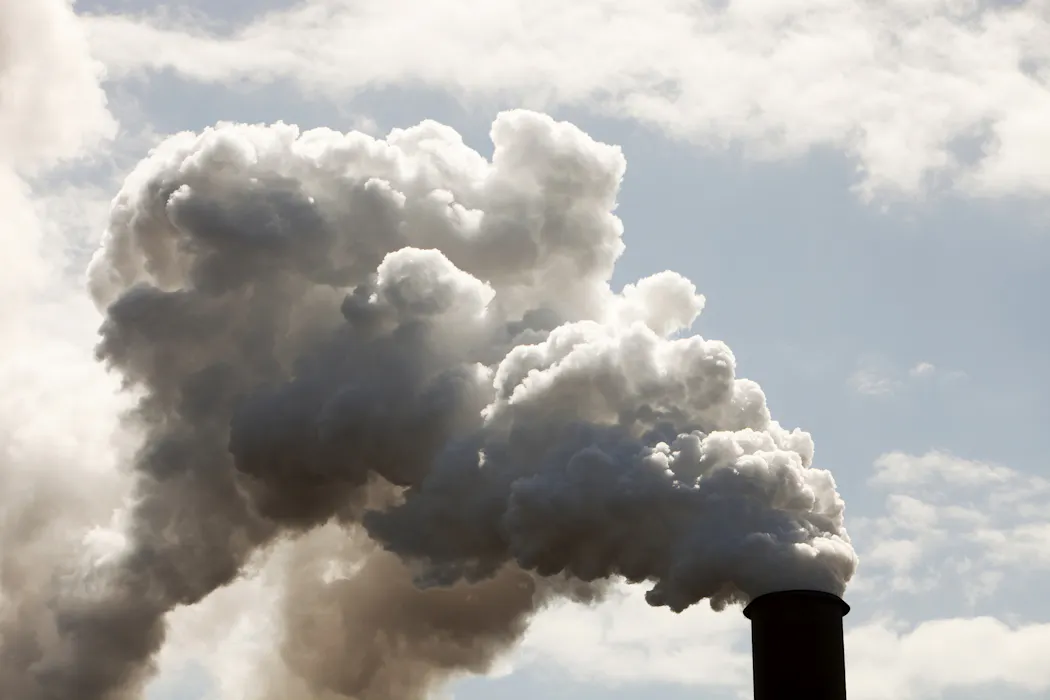
International climate conferences like the COP31 climate summit, now in its second week, tend to focus on the role of individual countries.
Yet, more than half of global CO₂ emissions from fossil fuel and cement are produced by just 32 companies. Many have already set net zero targets in response to mounting international pressure.
However, new research into Australian companies, from the Monash Business School Green Lab, calls the credibility of these targets into question – revealing a major gap between what some companies say and do regarding emissions.
Without stronger regulation, large companies will continue to be vague about how they will achieve their climate commitments.
Read more:
Yes, the COP climate talks are far from perfect. But they still hold the power for change
Australia’s corporate emitters
Our new study took a closer look at 16 of Australia’s largest listed companies operating across the emissions-intensive metals, mining and energy sectors. This includes energy giants BHP and Woodside, both of which have recently made headlines for winding back their climate commitments.
For each company, we reviewed publicly available information published between July 1 2024 and June 30 2025. Sources included annual reports, sustainability reports, climate reports, transition plans and sustainability data books.
We assessed companies’ disclosures against a set of indicators to test the credibility of their net zero targets and performance metrics, such as reported greenhouse gas emissions. We also examined their implementation measures, including electrification and energy efficiency improvements, and the financial resources allocated to these measures.
We focused on public information because it helps:
-
investors decide how to distribute their money
-
regulators evaluate how effective government policies are
-
community members hold companies to account for their climate action or lack thereof.
Read more:
Global carbon emissions may have peaked in 2026 – but only time will tell
The gap between ambition and action
There’s evidence that many companies have kept their net zero targets in place despite political and economic challenges, such as the United States’ second withdrawal from the Paris Agreement and the ongoing Middle East conflict.
However, our findings reveal a significant gap between companies’ reported net zero targets and the concrete actions they have publicly committed to take.
All companies in our sample have set public net zero targets. Some have a transition plan – laying out the targets, actions and resources a company will use to reduce its emissions – and identify a broad set of measures to implement these targets.
Each of the 16 companies cited electrification and fuel switching – replacing fossil fuel-based systems with renewables – as implementation measures. Improving energy efficiency was also common across 15 of the 16 companies studied. For example, BlueScope Steel reported that upgrading industrial paint ovens at its Western Port facility in Victoria cut the company’s annual emissions by about 18,000 tonnes. All but two companies had supply chain decarbonisation – the process of reducing or cutting carbon emissions produced at various stages of a supply chain – as a goal.
However, many companies published limited quantitative data showing whether these measures would actually reduce their emissions. For example, Fortescue’s 2025 Climate Transition Plan described efficiency initiatives without offering clear emissions reduction figures. What’s more, we found a major gap between companies’ stated decarbonisation commitments and the information they publicly disclosed about how they would pay for these efforts.
Of the 16 companies studied, 11 claimed to have allocated funds for decarbonisation measures. However, only 7 companies disclosed how they calculated climate-related costs or considered them in their investment decisions. Rio Tinto, for instance, reports it assessed proposed investments against criteria including their potential to reduce emissions and financial costs. Just five of the 16 companies conducted post-investment reviews or audits.
These discrepancies make it extremely difficult to know if company climate targets are contributing to corporate, national and global net zero goals.
While all companies had room for improvement, some provided more detailed disclosures than others. Fortescue forecast spending US$700 million to US$900 million (A$1 billion to A$1.3 billion) on emissions reduction in 2025, but subsequently reported spending US$405 million (A$600 million). Disclosing both planned and actual expenditure offers insight into how companies are progressing, but doesn’t necessarily show whether their investments are enough to meet their climate targets.
Read more:
The world needs to get serious about electrification – here’s why
Disclosure is not enough
Australia’s new mandatory climate disclosure system requires large Australian companies to provide climate-related financial information each year. They must submit this information alongside their annual reporting obligations, including greenhouse gas emissions and climate targets.
However, disclosure alone will not give companies enough incentive to realise their net zero commitments.
Governments must also introduce stronger policies that require companies to reduce emissions and invest in cleaner technologies. Australia’s Safeguard Mechanism, the main federal tool for cutting emissions from big polluters, is one such example.
Clearer international commitments can also help. Australia and other countries should support the development of a global roadmap for transitioning away from fossil fuels, proposed by Brazil at last year’s COP30 summit. This could provide greater certainty about the direction of the global transition and encourage companies to invest in greener technologies.
Effective scrutiny by regulators, investors and the courts is also key to keeping companies accountable for their commitments.
For too long, large companies have failed to make good on their climate commitments. More specific and robust reporting requirements will go some way to fixing this. And by scrutinising company claims, investors, researchers and the wider community can also help keep net zero within reach.
Read more:
Extreme El Niños are coming. Reaching net zero sooner means facing fewer of them

Rebekkah Markey-Towler has received funding from an Australian government Research Training Program (RTP) cholarship.
Bei Cui and Ella Vines do not work for, consult, own shares in or receive funding from any company or organisation that would benefit from this article, and have disclosed no relevant affiliations beyond their academic appointment.
Original source: https://analysis1.mil-osi.com/2026/11/16/large-companies-can-still-fall-short-on-their-climate-commitments-heres-what-must-change/