

Source: The Conversation (Au and NZ)
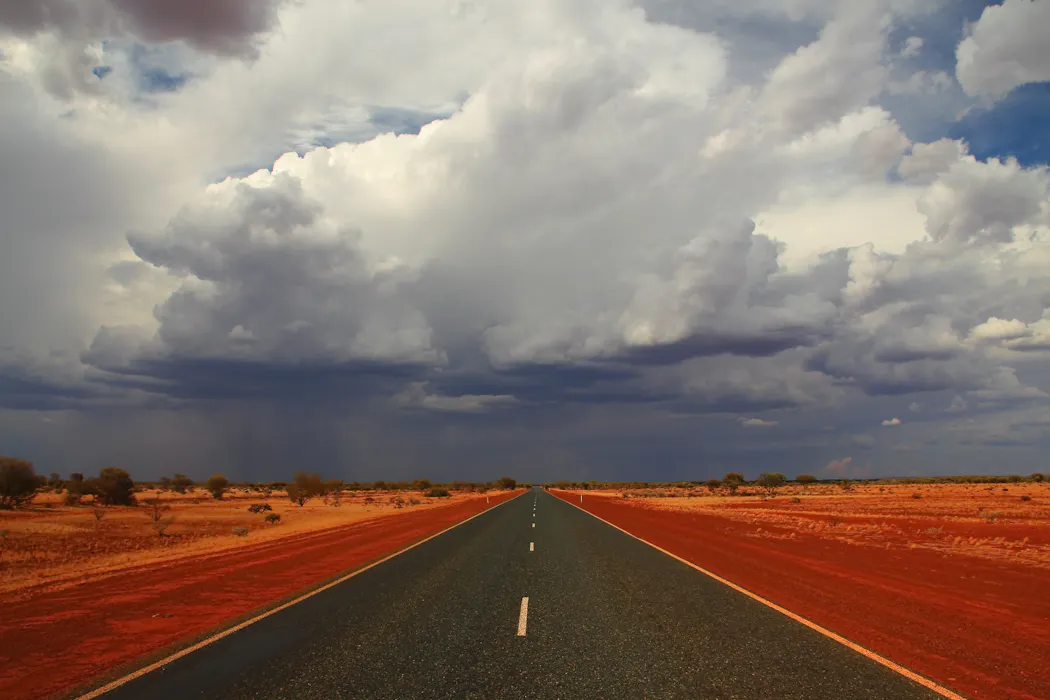
It’s the build-up in northern Australia – the time of year when heat and humidity get worse ahead of the wet season. Common phrases such as “going troppo” or “mango madness” give a sense of the effects. Tempers fray and tensions rise.
There’s now emerging evidence that humidity makes heat more dangerous. Humid heatwaves – where high temperatures combine with high humidity – are potentially more dangerous than dry heatwaves.
Elsewhere in the world, humid heatwaves are already claiming lives. Over 1,300 pilgrims died in Saudi Arabia in 2024 due to lethal levels of humidity and heat, while India and Pakistan have also been hard hit.
Our recent research in the Northern Territory found more people came to emergency departments during intense humid heatwaves than comparable dry heatwaves.
The problem is, we’re not warning people about this combined threat. Australia’s heatwave warning systems focus only on temperature – not on humidity.

Northern Territory Government
Why humidity matters
Intense heat stresses the body. Humidity can make this worse.
The human body relies heavily on sweating to regulate temperature. When sweat evaporates from the skin, it removes heat and helps keep the body cool. When humidity is high, evaporation doesn’t work as well and it’s harder for the body to release heat and stay cool.
Humid conditions can boost the risk of heat-related illnesses such as heatstroke, worsen existing heart and lung conditions and put more strain on the bodies of people with chronic diseases.
High humidity can also contribute to poor sleep, reducing the body’s ability to recover during prolonged hot periods.
Hot and wet conditions also provide optimal conditions for mosquitoes, ticks and parasites, which are vectors for the spread of key tropical diseases. Mould, bacteria and viruses are more likely to grow in high humidity, increasing the risk of lung and skin disease.
What we found in the Northern Territory
The top third of the Northern Territory has a monsoonal coastal climate prone to humidity, while the two thirds inland is arid. This means we can analyse and compare humid and dry heatwaves across these environments.
Our study analysed more than two decades of emergency department data across the NT to see if dry heat or humid heat affected the numbers of people needing emergency care. We used a temperature-based index for dry heat and a combined temperature and relative humidity index to determine humid heat.
The results were clear. While more people sought emergency treatment during both dry and humid heatwaves, humid heatwaves were worse. Severe and extreme dry heatwaves led to 4.4% more hospital visits, while similar humid heatwaves saw 6.1% more people attending emergency departments.
When arid areas of the Territory were hit by humid heatwaves, the effect was even clearer – emergency visits rose 8.7%.
Where are the warnings?
In many parts of northern Australia, heatwaves are projected to become more frequent and intense due to global warming.
Every summer, Australia’s Bureau of Meteorology issues heatwave warnings to give people advance notice of three or more days of unusual heat over day and night. Warnings can be issued for mild, severe and extreme heatwaves.
These warnings are vital. They let people prepare for heat and change plans, while health services can boost staffing numbers.
The problem is, these warnings are largely based on temperature. Most people can tolerate a 35°C day with low humidity. But a 35°C day with high humidity is much harder for us to cope with.
This means the current system may not be warning Australians about a real risk to their health – especially those in tropical and coastal regions.
Preparing health services for humid heat
Health services in the NT are often ageing and under strain. Last wet season did significant damage.
Dry and wet heatwaves will put more pressure on health systems already struggling during extreme weather. Even a modest increase in patients will add more pressure on staffing, bed capacity and resources.
We’ve long known heat affects some people much more than others. Children, older adults, people with chronic diseases and those in disadvantaged communities are hit harder. In the Territory, low-quality housing, poor access to healthcare and outdoor work and recreation also boost risks from heat.

BJP7images/Getty
Time to redefine heatwaves
It’s no longer enough to define a heatwave using temperature alone. Across northern Australia, humidity directly affects how people experience a heatwave.
Climatologists are already exploring ways to include humidity in measures of dangerous heat.
To take the threat of humid heat seriously, we need to redefine heatwaves to include humidity and temperature. This will strengthen our early warning systems.
On a practical level, we need to prepare our health systems for more demand during severe humid heat, particularly in remote and tropical regions.
As the Top End prepares for another wet season, authorities will focus on the threats of cyclones, flooding and other visible weather threats. It’s time to look at a less visible danger – the combination of heat and humidity.

Alyson Wright received funding for this research from the Australian and Northern Territory governments through the Northern Territory Risk Reduction Program. Funders had no involvement in the study’s design, data collection, interpretation of data and writing of the article.
Sharon Campbell receives funding from the Healthy Environments And Lives Global Research Network, which receives funding from the National Health and Medical Research Council.
Mark de Souza does not work for, consult, own shares in or receive funding from any company or organisation that would benefit from this article, and has disclosed no relevant affiliations beyond their academic appointment.
Original source: https://analysis1.mil-osi.com/2026/11/05/humidity-can-make-heatwaves-more-dangerous-its-time-to-warn-australians-about-this-threat/