

Source: The Conversation (Au and NZ)
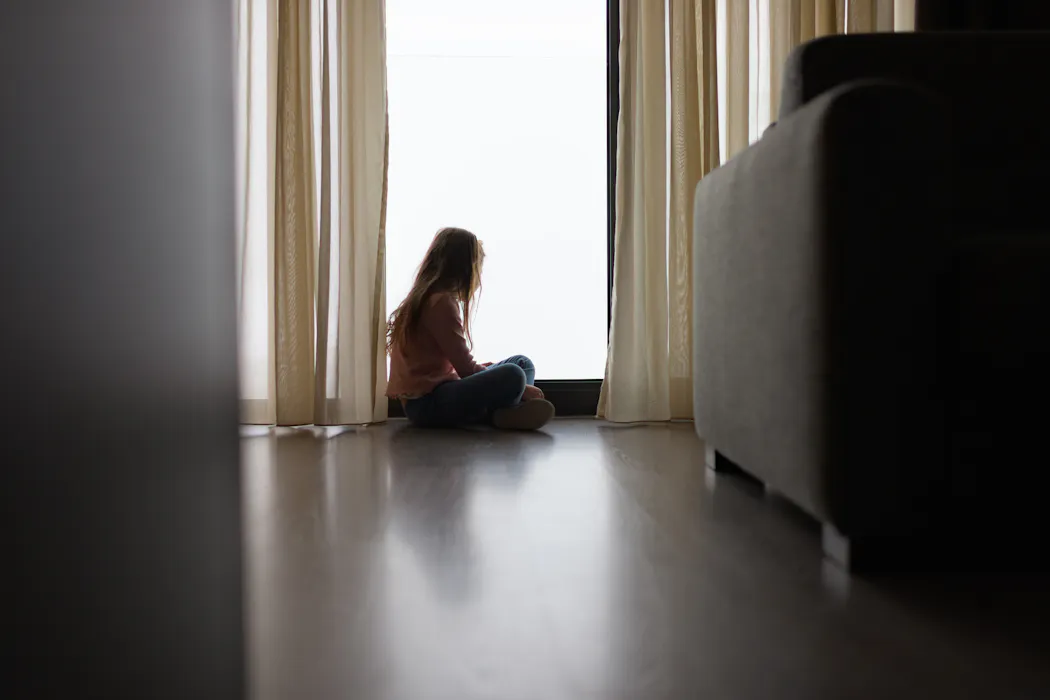
A study published this month shows many Queenslanders believe parents should not be convicted of assault for doing things such as smacking their children for misbehaviour.
I am a clinical psychologist who researches child adversity, parenting and mental health.
So what else did the study find? And what does it mean about laws around how Australians discipline their children?
What was the research?
The study was conducted by researchers at the Australian National University and Monash University and funded by the Queensland Law Reform Commission as a part of a review examining legislation that allows “reasonable discipline” of children.
Researchers surveyed 1,662 adults living in Queensland and conducted a series of focus groups. As part of the survey, participants read short stories describing a mother’s use of physical punishment in response to an 11-year-old child. In these stories, the child had kept a mobile phone in her bedroom at night against family rules. When caught by her mother, the child began swearing at her and refused to hand over the phone.
The stories differed in the type of physical punishment the mother used. This ranged from grabbing the child’s hand tightly, to hitting her thigh with a wooden spoon to the mother slapping her across the face. Participants then reported whether they believed the mother should be found guilty of assault if the case went to court.
Stories also varied if the child had a formal or suspected diagnosis of ADHD, but this did not appear to influence formal perceptions of guilt.
What the study found
Results showed there was no clear consensus among participants on whether the mother should be found guilty or not. However the level of force the mother used did matter to those surveyed.
About 57% of respondents said the mother should be found guilty of assault for slapping the child across the face. This figure was about 47% for the scenario where the mother slapped the child on the thigh and left a bruise.
Around 37% of adults believed the mother should be found guilty for slapping the child on the thigh with a wooden spoon, followed by about 22% when the mother slapped the child on the thigh without leaving a bruise. Only about 7% believed the mother was guilty of assault in the case where she gripped the child’s hand tightly.
Overall, about 65% of participants believed the mother should be found not guilty of assault across all the examples of physical punishment.
However, it’s important to note the findings don’t necessarily mean participants believe the behaviour is acceptable. It could be they understood the behaviour in context (after all parenting is tough), or simply that they do not favour a criminal justice response.
The findings suggest even those who believe the mother was guilty favoured non-punitive educational responses rather than a criminal justice response.
Beliefs are changing
Even so, the findings are surprising given attitudes towards physical punishment of children for misbehaviour have shifted in recent years. They are also unexpected considering hitting children is a violation of the UN Convention on the Rights of the Child.
My 2023 research shows three in four Australians do not believe physical punishment is necessary.
This is drastically lower than 2002 data, which found three in four Australians believed it was sometimes necessary to smack a naughty child.
The 2023 data also showed 64.2% of parents aged 65 and over had used physical punishment whereas only 14.4% of parents under 24 had. This suggests a generational shift against physical discipline.
What does the law say?
Physical punishment of children by parents and caregivers is legal in all states and territories of Australia through a variety of legal defences. These differ across states but essentially mean parents can use a defence to avoid an assault charge if the behaviour was for discipline and was considered “reasonable”.
What is “reasonable” is open to interpretation. In part, this latest study was trying to determine whether there is consistency in what Australians viewed as reasonable. The research findings suggest there is not, and that current laws do not make it clear what behaviours are acceptable and unacceptable.
Is smacking harmful?
There is no research demonstrating long-term benefits of smacking.
But research shows physical punishment is associated with harms similar to physical abuse. These include increased aggression and behaviour problems, poor mental health, damaged parent-child relationships, poor developmental outcomes, and increased risk of physical abuse.
These negative impacts can follow the child into adulthood and have been linked to mood, anxiety and substance disorders, increased risk of suicide and intimate partner violence.
Should the law change?
In 2013, the Royal Australasian College of Physicians called for smacking to be banned in Australia. Since then, similar calls have been have been made by researchers, a Royal Commission into domestic family and sexual violence, and the World Health Organization.
Most recently the Queensland Law Reform Commission recommended a staged approach to removing the use of the defence for discipline. This would make it clear that parents should not use physical force to discipline children.
The commission also recommends a community awareness campaign to increase support for parents and the use of diversion, rather than prosecution for parents.
What next?
Globally, 70 countries have banned physical punishment of children.
Many worry prohibiting physical punishment would lead to parents suddenly being convicted of assault, but data from overseas shows this doesn’t happen. Instead, countries see reductions in this form of violence suggesting legislative change may protect children.
What’s a better alternative?
The American Academy of Pediatrics, a key body that informs global clinical practice, suggests parents use positive parenting techniques instead of smacking.
These techniques include encouraging good behaviour, addressing emotions behind misbehaviour, using calm non-violent discipline strategies, such as time out, and parents using evidence-based supports and resources.
If this article has raised issues for you, you can contact: Lifeline (13 11 14); 13YARN for Indigenous Australians (139 276); or
Beyond Blue (1300 224 636).

Divna Haslam has receieved a variety of government and non-government funding. She is a Director of the Parenting and Family Research Alliance, and a member of its “end physical punishment of Australian Children” working group. She is a former consultant for Triple P International and a member of the Queensland Family Child Commission Expert Advisory Council and the World Health Organisation technical advisory group for violence against children estimates.
Original source: https://analysis1.mil-osi.com/2026/10/22/fewer-and-fewer-parents-will-smack-their-children-but-its-still-legal-should-that-change/