

Source: The Conversation (Au and NZ)
The pelvic floor is a layer of muscles and connective tissues that supports the uterus, bladder, urethra, vagina and rectum. The pelvic floor supports the organs in your pelvis from underneath, almost like a hammock.
When these muscles and tissues weaken, it can allow one or more pelvic organs to descend from their usual position. This is called a pelvic organ prolapse.
A prolapse may involve the front wall of the vagina (where the bladder bulges into the vagina) or the back wall of the vagina (where the bowel bulges into the vagina), the uterus and cervix, or the top of the vagina (after hysterectomy). More than one area may be affected.
Pelvic organ prolapse may develop or worsen after pregnancy and childbirth, during menopause or as a result of lifestyle and genetic factors.
But importantly, it can be treated. Here’s what to know if you suspect you have a prolapse.
How common is it?
Up to 50% of women who have given birth have some degree of pelvic organ prolapse, often without any symptoms.
Risk factors for prolapse include giving birth more than once, vaginal birth of a baby weighing more than four kilograms, forceps-assisted birth and prolonged labour.
But pelvic organ prolapse can occur regardless of whether the birth is vaginal or caesarean, due to ongoing pressure on the pelvic floor muscles and connective tissue during pregnancy itself.
Other contributing factors include obesity, increasing age, connective tissue disorders, and conditions that increase abdominal pressure such as a persistent cough, constipation with straining and heavy lifting.
One in ten women aged over 50 experience symptoms related to prolapse. Women who are a healthy weight and have not had many – or any – children can still experience a prolapse.
What does it feel like?
Pelvic organ prolapse can cause persistent pressure or heaviness deep in the pelvis. Some women describe a downward pushing sensation or feel as though they are sitting on a small ball.
Symptoms may worsen towards the end of the day, particularly after prolonged standing, lifting or physical activity.
A soft, smooth, fleshy bulge may be felt or seen at the vaginal opening. Depending on the severity of the prolapse, it may range from barely noticeable to clearly visible. Women may notice the bulge while washing themselves, or during sex or physical activity, and it may cause mild discomfort or pain.
Other symptoms may include bladder and bowel difficulties such as increased frequency (urinating multiple times), urgency (inability to hold urine), incomplete emptying and stress incontinence (leaking urine when coughing, laughing or straining). Some women may have difficulty emptying their bowels or may need to press the bulge manually (splinting).
Mild to moderate discomfort in the lower back or pelvis may also occur.
Some women have no symptoms, while others may not recognise their symptoms as signs of prolapse.
Women may also experience anxiety, depression, shame, altered body image and concerns about how their body functions.
How is it treated?
Both conservative and surgical treatments are available.
For mild prolapse, pelvic floor muscle training (Kegel exercises) has been shown to improve symptoms of stress, urge and urinary incontinence.
For women with symptomatic prolapse, using a device called a vaginal pessary is a safe option to help manage the condition. Pessaries are generally made of silicone and can be fitted comfortably in an outpatient clinic. However they can cause irritation and discomfort in some users.
Some women will choose or be advised to undergo surgery. These procedures are performed through the vagina by making a cut and repairing the vaginal walls using dissolvable stitches. The aim is to strengthen support to the bladder and rectum, thereby reducing the bulge.
Women with pelvic organ prolapse are usually recommended to wait having prolapse repair surgery until after childbearing, because of the risk of recurrence from subsequent pregnancies.
For women who have completed childbearing, a hysterectomy may also be performed, alongside a procedure to support the top of the vagina by attaching it to a pelvic ligament.
Conversely, older or frail women who do not wish to preserve sexual function, may consider a procedure that partially or completely closes the vagina.
Complications of surgery include bleeding, infection, pain, injury to other structures and development of new symptoms.
Prolapse can also recur. After surgery, 25–30% of women can develop a prolapse again.
Women don’t always seek treatment
Despite significant physical, emotional and social impacts, women often don’t seek help for pelvic organ prolapse due to embarrassment, limited awareness and cultural beliefs, as well as costs and lack of accessibility of services.
Health-care professionals can encourage women to seek support by routinely screening for pelvic floor symptoms during antenatal and postnatal visits, and when providing menopause-related care.
Educating women through culturally safe, trauma-informed, stigma-free conversations can reduce barriers to seeking assistance. This includes providing evidence-based information in multiple languages and accessible formats.
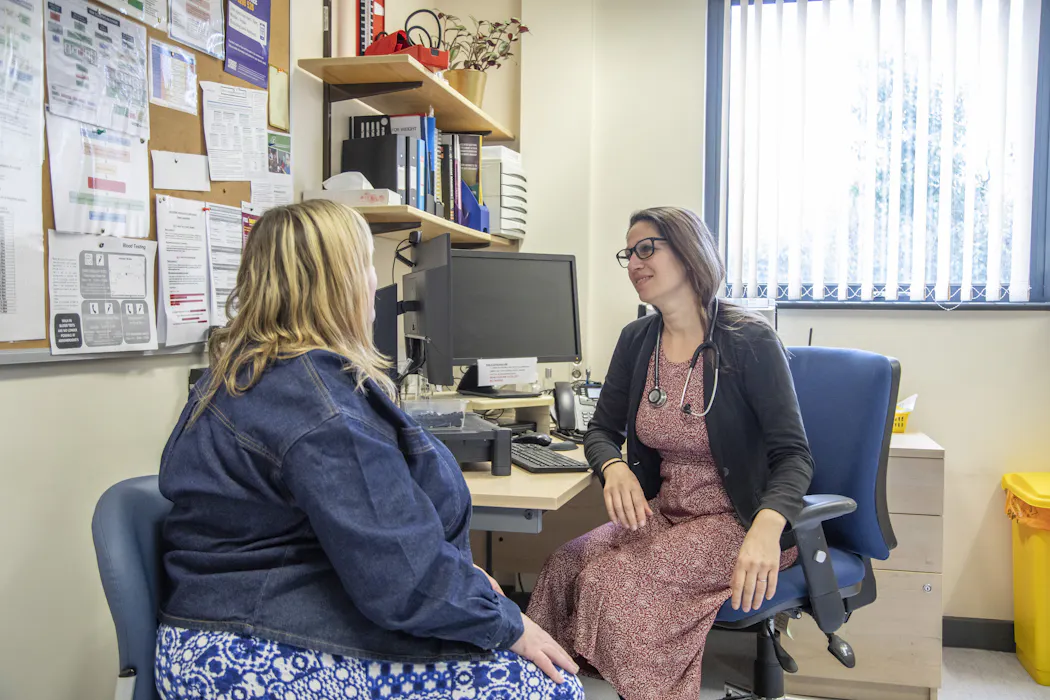
If you think you have a prolapse, talk to your GP or visit a Women’s Health Centre. You may receive a referral to a medical specialist and/or pelvic physiotherapist.
Practical support and education is also available at Jean Hailes for Women’s Health and Continence Health Australia.

The authors do not work for, consult, own shares in or receive funding from any company or organisation that would benefit from this article, and have disclosed no relevant affiliations beyond their academic appointment.
Original source: https://analysis1.mil-osi.com/2026/10/18/prolapse-is-common-after-pregnancy-and-later-in-life-heres-what-to-look-out-for/