

Source: The Conversation (Au and NZ)
Every year, the upper Zambesi River breaks its banks and spreads across the wide Barotse floodplains in Zambia.
These seasonal wetlands are famed for their exceptional richness of species, from birds to unique cichlid fish.
But there are signs of profound upheaval. Native fish and invertebrate populations have fallen, river plants are being devoured and river banks hollowed out from within.
Every Australian knows common myna birds are bad, rabbits are worse and feral cats kill native animals unchecked.
But how do we decide what makes an introduced species “good” or “bad” – and will we ever concede that some species are here to stay?
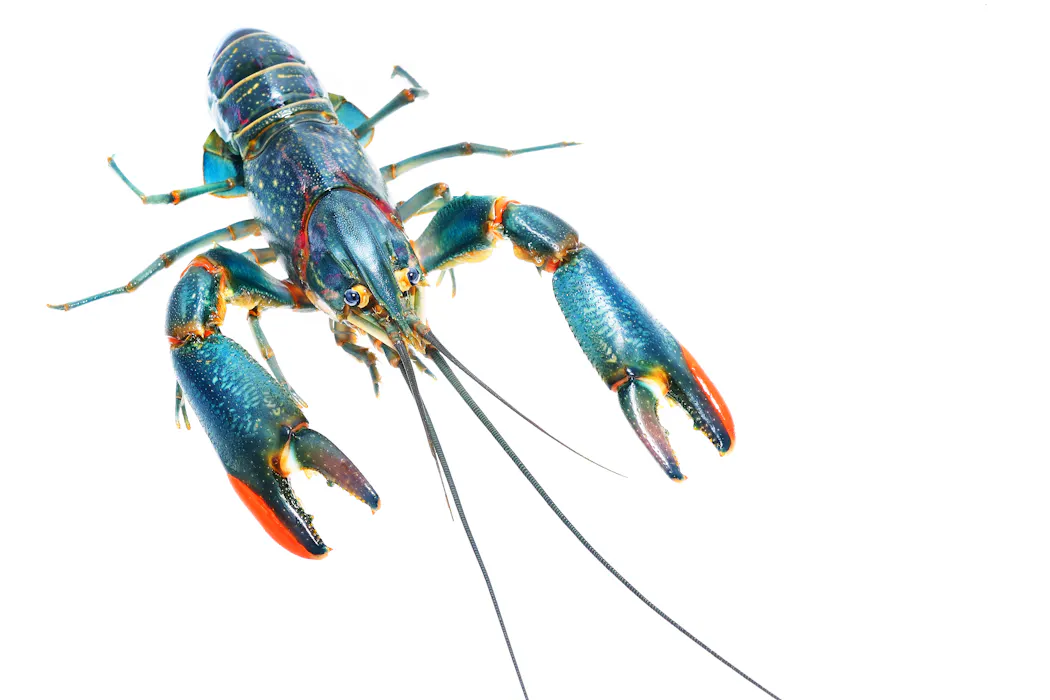
The culprit will be familiar. As the flood eases and the dry season begins, the shallow muddy pools left behind teem with redclaw crayfish (Cherax quadricarinatus), a freshwater crayfish native to the tropics in northern Australia and Papua New Guinea. Many Australians call these “yabbies”, as they do other medium-sized Cherax crayfish.
It might seem bizarre that an Australian species has become an invasive pest overseas. The flow of introduced species usually goes the other way. But these yabbies were forged in the intense crucible of the Australian climate. Unfortunately, they may be all but unstoppable in the Zambesi – and many other water bodies around the world.
Built for a harsh landscape
Over 100 species of freshwater crayfish are found in Australia. Many are remarkable. The giant Tasmanian crayfish (Astacopsis gouldi) is the largest crayfish in the world across both fresh and salt water, while burrowing crayfish species spend most of their lives in burrows, marked by chimneys of clay.
Of Australia’s ten freshwater crayfish genera (groups of species), the Cherax species are arguably the toughest.
They evolved to survive in Australian billabongs, ephemeral lakes left behind when a river changes course. These lakes can dry up and refill at times, causing a brutal wet-dry cycle.
Cherax species became adapted to survive in deeply inhospitable habitats, such as water with virtually no dissolved oxygen. They can burrow deeply and enter a dormant state for months to years before better weather arrives. A single female can produce several broods a year, with up to 1000 eggs in each brood.
They are aggressive generalists, eating everything from detritus and aquatic plants to fish, invertebrates and even each other.
As climate change brings more extreme weather, tough species such as the redclaw are better equipped to survive than local species who may have evolved in a kinder climate.

Ken Griffiths/Getty
How did redclaws get to southern Africa?
Throughout the 1980s and 1990s, redclaws were exported to aquaculture facilities across Africa, Europe, Asia and South America. Farmers liked them for their hardiness, adaptability and rapid growth.
Their striking blues and reds made them popular in the global aquarium trade, creating a second major pathway for their spread.
It was all but inevitable that redclaws would escape containment and make it into local rivers. Some escaped aquaculture ponds during hurricanes or by being accidentally released. Others were pets released into waterways.
In the wild, the humble redclaw multiplied. Soon, there were signs of devastating shifts in local waterways.
We don’t know exactly how redclaws got into the Zambesi. During the 1990s, redclaws began to be spotted in the river. Their numbers soon surged – and native plant, fish and invertebrate species suffered.
Redclaws are now on the doorstep of pristine, highly sensitive ecosystems such as Botswana’s famous Okavango Delta. They are already present in South Africa’s famous Kruger National Park. Fishers in Zambia report significant falls in their catch. They can spread 6 kilometres in an average year – and up to 49km/year during flooding seasons.
Escapee redclaws are also moving through Central America and parts of Southeast Asia. Amazingly, redclaws are also considered an invasive species in parts of Western Australia.
Many Australians think fondly of yabbies (likely derived from “yabidj/yapitj”, the name used by several First Nations groups in southern Australia). How could they become pests?
Australia’s long geographic isolation meant its unique species evolved in a closed system. They often lack the competitive edge to survive against aggressive invaders from other continents. As a result, it’s rare for Australian wildlife to become invasive pests overseas.
But as our freshwater crustaceans show, there are exceptions.
Common yabbies pose another threat
The redclaw isn’t alone. Australia’s common yabby (Cherax destructor) has also escaped aquariums and aquaculture farms to quietly colonise rivers and lakes in parts of Europe and Southeast Asia. Endemic to the rivers of the Murray-Darling basin, it can tolerate water temperatures between 1°C and 35°C and survive in many habitats. This helps it outcompete many native crayfish.
Worse, Cherax destructor is susceptible to and can carry strains of lethal crayfish plague, meaning it can spread the pathogen to highly susceptible species in Europe. The plague is an aquatic mould native to North America, which infects the host’s cuticle (shell) and can lead to mass mortality events.
In Australia, Cherax species co-evolved with native predators such as Murray cod, platypus and rakali who naturally keep their populations in check.
Overseas, local predators are not always able to provide these checks and balances. Australian yabbies find it easy to bully and outcompete smaller, less aggressive native crustaceans and fish. They do particularly well in degraded rivers or lakes where native species are already struggling.
What can be done?
It’s nearly impossible to eradicate redclaws and yabbies once they are breeding in a major river system.
Traps often catch the larger adults, which can inadvertently trigger a population boom by freeing up food and territory for juveniles left behind.
In response, ecologists and conservationists are shifting tactics. In southern Africa, community harvesting programs train locals to catch and sell “redclaws” for food, suppressing numbers while generating income.
In Europe, aquaculture hatcheries are deploying more effective physical barriers to halt escapes, alongside biological controls such as stocking waterways with large, predatory native fish.
Efforts like these, may keep redclaw numbers down in the Zambesi. But the yabbies are likely there to stay.
What the story of Australia’s pest yabbies tells us is that an organism that seems harmless or even struggling in its home habitat can sometimes become an environmental super-weapon when dropped into an ecosystem unequipped to fight it.
Moving species across borders has long been done for short-term economic gain. But as the plague of yabbies in the Zambesi shows, it’s ecological roulette.

Rachael King does not work for, consult, own shares in or receive funding from any company or organisation that would benefit from this article, and has disclosed no relevant affiliations beyond their academic appointment.
Original source: https://analysis1.mil-osi.com/2026/10/14/hordes-of-yabbies-are-trashing-rivers-in-africa-how-did-this-happen/