

Source: The Conversation (Au and NZ)
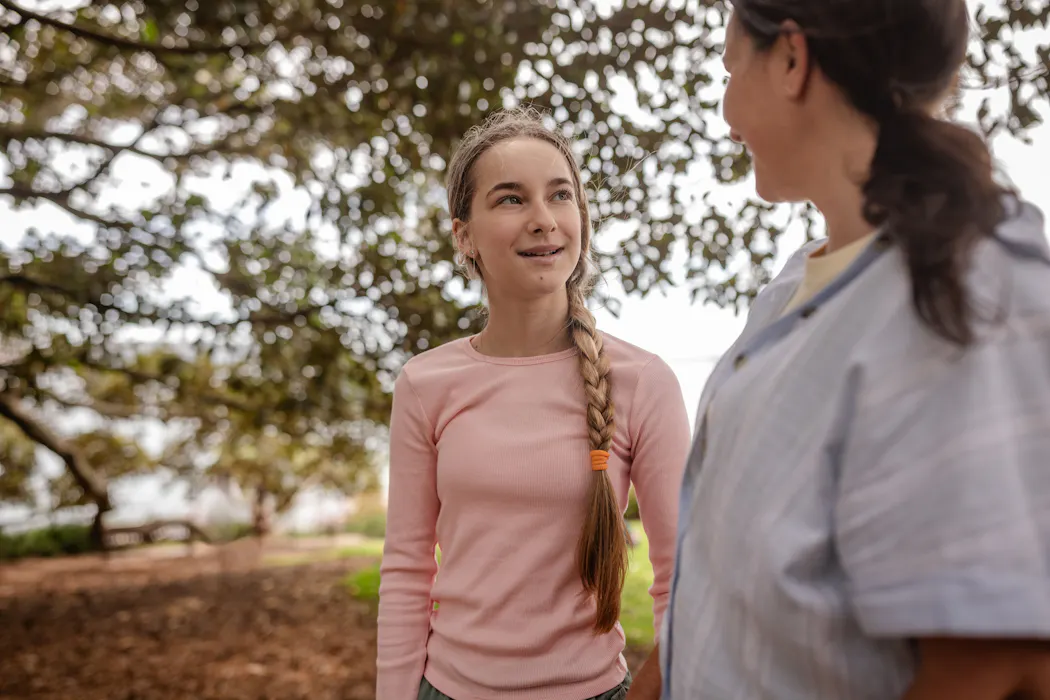
By the time children are around 12 years old, many will begin to ask if they can go out to the local park, playground or shops to spend time with their friends without adult supervision.
This may happen more often during the school holiday period. They might say:
All of my friends are going. Can I hang out with them?
When a child first asks this question, it can be difficult for parents to judge whether their child is ready. Parents might want experts to give them a specific age recommendation, but children develop at their own pace and readiness varies. This means there is no single right age when children are ready to spend time with friends, out of the house, unsupervised.
As the parent of three children, I’ve faced this situation myself.
So how do you know when it’s okay to let your child go out on their own?
The importance of independence
Children need opportunities for independent activities to build wellbeing. The freedom to go out with friends without adult supervision gives children the chance to explore, make choices and navigate unexpected challenges. It allows them to develop their autonomy, confidence and resilience.
It can also help kids get more active. Adventurous outdoor activities with friends, such as bike riding, allow children to learn how to cope with potentially risky situations and uncertainty, which may reduce their chances of developing anxiety.
Research on children whose parents allowed them to travel and play in their neighbourhoods also found it may help them cultivate friendships and create a sense of community.
What are the main concerns?
While many parents and carers acknowledge the benefits of letting their child have more independence, they may still feel nervous about the potential risks that come with it.
A 2019 New Zealand survey asked over 2,000 parents about their attitudes towards risky play and children being out on their own, and the barriers that prevented them from allowing their children to be more independent.
The two biggest concerns were road safety (increased risks of traffic accidents) and “stranger danger” (children potentially having encounters with harmful adults).
So, with these concerns in mind, what are some things you can do to see if your child is ready?
Have a conversation
If your child asks to be out alone, you might start by asking them:
What makes you feel ready to be out on your own?
Your child’s answer may give you a clearer idea of whether they’re ready or not.
I’ve stayed at home alone before. I’m responsible. I think you should trust me enough to be able to do this on my own.
Evaluate their readiness
There are a number of things to consider when deciding if your child is capable.
First, is your child aware of their surroundings? Do they notice potential hazards? For instance, would they notice if a storm was approaching and they needed to seek shelter?
Second, does your child have good judgement? Would they think clearly if they were faced with an unexpected problem, such as getting a flat bike tire?
Third, is your child reliable? Do they follow instructions? Can they be trusted to return home at an agreed-upon time?
Agree on some rules
If you think your child is ready, it’s important to set ground rules for when they’re out. This might include your child agreeing to stay within a particular area, being home by a certain time, and communicating if they are going to be late. You might also ask them to stay with their friends the entire time they’re out.
Start closer to home
For many families, it helps to begin with an activity closer to home, such as walking to the park and back. As trust and confidence build for both of you, your child can then be allowed out longer and further away.
It’s also good to have a plan with your child about what to do if something goes wrong, they want your help or they need to contact you.
While it can feel daunting initially, independent time with friends without parent supervision helps your child to grow, develop and thrive.
Read more:
Playing and exploring outdoors brings risk – and that’s good for children

Michelle Andrews Luke does not work for, consult, own shares in or receive funding from any company or organisation that would benefit from this article, and has disclosed no relevant affiliations beyond their academic appointment.
Original source: https://analysis1.mil-osi.com/2026/09/30/how-do-i-know-my-child-is-ready-to-leave-the-house-on-their-own/