

Source: The Conversation (Au and NZ)
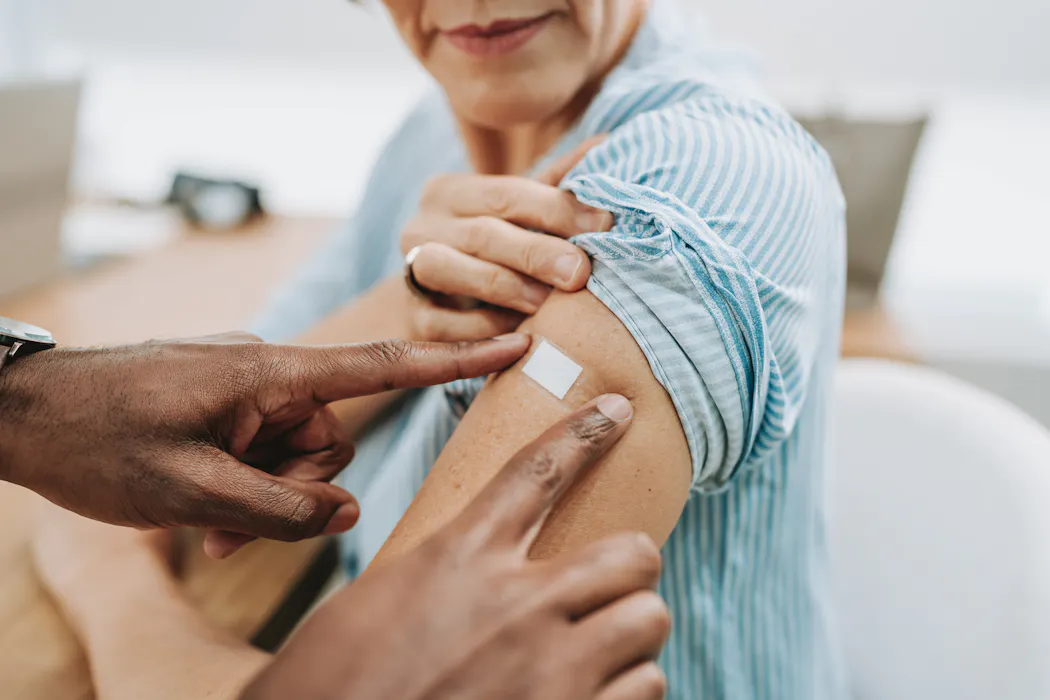
From October 1, COVID vaccines will only be free and recommended for those most at risk of serious illness.
Some people at lower risk – including healthy adults aged 18–64 – are asked to consider the vaccine, but will have to pay for it privately. Some say this could cost A$130-$150.
The changes mark the end of Australia’s standalone COVID vaccine program that was introduced during the pandemic. In research out today, COVID vaccines were estimated to have prevented 4,900 deaths in mid- to late 2021 in Victoria alone.
SARS-CoV-2, the virus that causes COVID, is still circulating. But it does not pose the same risk to everyone as it did towards the start of the pandemic.
Here’s who is still eligible for free COVID vaccines from October 1 and who will have to pay.
Who can get a free COVID vaccine?
From October 1, COVID vaccines move to the National Immunisation Program, the same program that delivers free childhood and flu vaccines.
From then, COVID vaccines are recommended and free for the following people most at risk of serious illness:
-
people aged 75 and over (two doses a year, about six months apart)
-
people aged 65–74 (one dose a year)
-
Aboriginal and Torres Strait Islander people aged 50–74 (one dose a year)
-
people aged 18–64 with a severely compromised immune system (one dose a year).
Who should consider a vaccine and will need to pay?
Australia’s Technical Advisory Group on Immunisation advises other people should consider a vaccine after discussing the risks and benefits with their health-care provider. They can then choose to buy the vaccine privately.
These include:
-
people aged 18–64 who do not have a severely weakened immune system (one dose a year)
-
people aged 18–64 who have a severely compromised immune system (a second annual dose, which they’ll need to pay for, given about six months after the free dose)
-
pregnant women (a dose from 20 weeks gestation in each pregnancy)
-
people aged 65–74 who have a medical condition that places them at increased risk or who have a severely compromised immune system (a second annual dose, which they’ll need to pay for, given about six months after the free dose)
-
Aboriginal and Torres Strait Islander people aged 50–74 with medical conditions that place them at increased risk, or who have a severely compromised immune system (a second annual dose, which they’ll need to pay for, given about six months after the free dose).
Your health-care provider will explain whether your medical history means your immune system is compromised, or otherwise places you at increased risk.
Why is the vaccine free for only some people?
1. The landscape has changed
COVID is now endemic in Australia, meaning it’s consistently present in the community all year round and there is no seasonal peak. Most of us will have been exposed to the virus and/or vaccinated.
The SARS CoV-2 virus has also changed over time, with new variants (strains) generally associated with milder disease.
Fewer cases have also been reported. In the year to date, there have been 71,957 notified COVID cases. This is about half the number of notified cases over the same period in 2025.
Read more:
How flu overtook COVID as Australia’s deadliest respiratory virus
2. A focus on at-risk groups
COVID symptoms range from a mild respiratory illness to severe pneumonia, sepsis and/or failure of multiple organs, leading to hospitalisation and death.
But similar to other respiratory viral infections, such as influenza, certain people are at highest risk of being hospitalised or dying from it. These include people over 65, Aboriginal and Torres Strait Islander people over 50, and those with a severely weakened immune system or with certain medical conditions.
For instance, people aged 75 or older are more than eight times more likely to die as a result of COVID than those aged 65–74. That’s according to Australian data from December 2024 to May 2025.
Data from the Australian Bureau of Statistics (2022–2026) shows Aboriginal and Torres Strait Islander people are 1.5 times more likely to die from COVID compared to non-Indigenous populations.
Vaccination reduces the risk of severe disease and death from COVID.
If you’re over 65, having had a COVID vaccine in the past three months halves your risk of dying from COVID compared to having it over a year ago.
Read more:
How well do COVID antivirals actually work? Not as well as we thought
How safe are booster doses?
Common side effects include pain at the injection site, fatigue and headache. These usually last no more than a few days and resolve without any treatment.
People who receive both flu and COVID vaccines at the same time have similar side effects to those who receive the flu vaccine alone.
Serious adverse events after booster doses of COVID vaccines are very rare. These can include anaphylaxis (a serious allergic reaction requiring prompt urgent treatment) and the heart conditions myocarditis and/or pericarditis.
What’s the bottom line?
COVID vaccination is still important to help protect people from becoming very sick, needing to go to hospital, or dying from COVID, particularly for people at higher risk.
Discuss your own risk with a health-care provider.
They will be able to give you personal advice about the risks and benefits of vaccination, and the best timing for a booster dose.

Nicholas Wood previously received funding from the NHMRC and MRFF for research.
Original source: https://analysis1.mil-osi.com/2026/09/30/can-i-still-get-a-covid-vaccine-what-you-need-to-know-about-the-latest-updates/