

Source: The Conversation (Au and NZ)
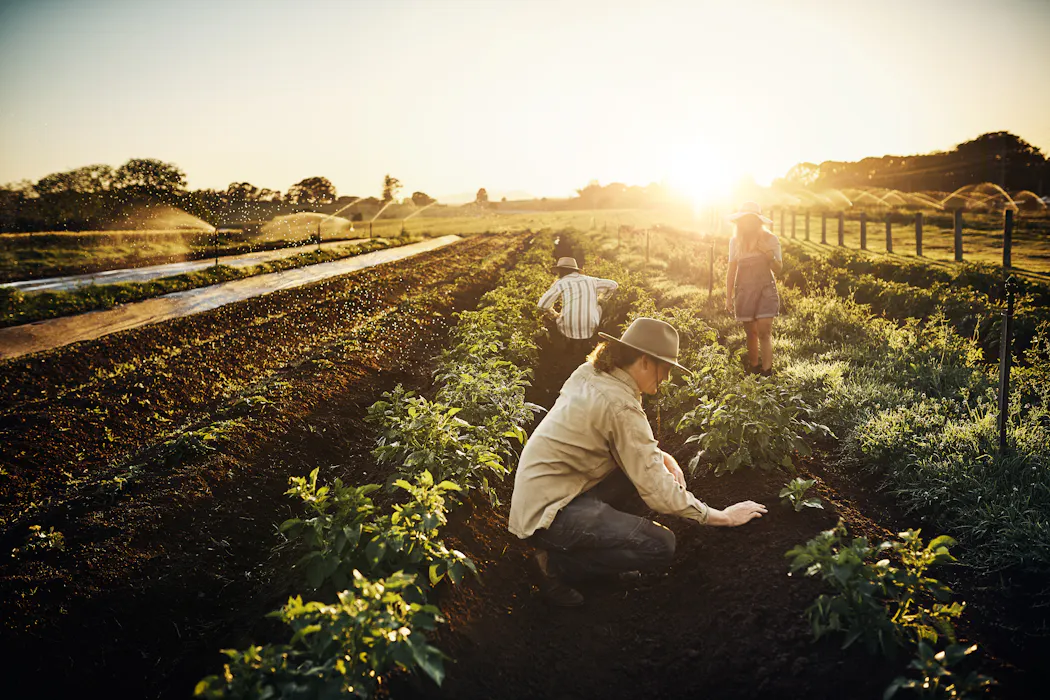
Farmers and other industry groups have warned a new crackdown on backpacker visas will make it harder to fill jobs in regional Australia, from fruit picking to aged care.
Over the past four years, we have spoken to more than 600 backpackers working across Australia, as well as more than 60 employers, industry groups and community members. What we’ve heard suggests regional employers have good reason to be worried.
Working backpackers have often told us things such as:
- “I want a second year visa, so I’m working in a papaya farm”
- “I don’t like the farm work, but it’s all for the extra visa time,” and
- “I want a second visa […] so I have to do farm work.”
The Working Holiday Maker backpacker visa has been around since 1975. Our research has shown how those tourists have become essential workers for Australian farmers over the past five decades.
Backpackers are doing 1 in 7 farm jobs
About one in seven farming jobs are done by backpackers, particularly at peak periods such as harvests.
Over the financial year to June 30, more than 323,000 backpackers from more than 40 countries were granted a Working Holiday Maker visa. That’s well up on pre-COVID levels, when it was between 210,000-250,000 a year from 2011 to 2019.
Those backpackers are then encouraged to work for months in regional Australia in exchange for visa extensions.
Backpackers can stay for an extra year if they work three months or more in regional, remote or specified industries, including agriculture, tourism and hospitality, construction, healthcare, and disaster recovery efforts.
What’s set to change
Late last week Immigration Minister Tony Burke announced significant changes, including a ballot system for backpackers who want to stay longer than a year.
Few details have been provided yet. This has created uncertainty as to whether months spent working in the bush would actually count.
Second year working backpacker visas will be cut from 57,000 to 45,000. For the third year it will fall from 31,000 to 5,000. That’s a reduction of 38,000 places.
A three-month visa processing delay also announced in the overhaul of Australia’s migration policy sparked the sharpest warning from the National Farmers Federation:
Farmers need approvals in days, not months. For many farms, three months is the difference between harvesting a crop and losing it.
Read more:
Migration changes to hit students’ families and working holiday makers
‘The trickiest part was navigating the visa’
In our ongoing research, we have spoken to backpackers across the country about doing regional work to get visa extensions.
For example, a backpacker from Peru said:
When I arrived I did hospitality in Melbourne, but after that I had to go north to do mango picking to get the extra visa. It was hard, hot, at the beginning I thought ‘what am I doing here?’ but then I work every day and complete the specified days to extend my visa.
Our research shows that visa holders and employers are already confused about what “counts” as regional workdays. Days worked are calculated by payslips and postcode of employment, but there are no set minimum hours per day.
A Dutch backpacker explained: “The trickiest part was navigating the visa and the visa extension. It does bring some added uncertainty in your plans.”
A ballot system for visa extensions would further complicate the process.
Lessons from the past
Farmers saw the devastating impact of a lack of backpackers during the pandemic pause on migration, when fresh fruit was left to rot due to worker shortages.

crbellette/Getty Images
While some have argued that Australia should rely more on workers from the Pacific under the Pacific Australia Labour Mobility (PALM) scheme, logistically it’s not always that easy. Peak periods like harvest season need a lot of workers for a relatively short time.
As a fruit and vegetable growers’ association representative told us:
We’re reliant on those workers that are just looking for those short windows of work […] the visa helps with that. Backpackers make up our main labour source for harvest work.
Transient workforces like backpackers are also cheaper to recruit and employ.
Attracting Australian workers isn’t an easy solution either, as one Irish backpacker told us: “On our farm we had a few Australians this year travel from further afield to work, and a lot of them have just left, disappeared after smoko.”
Efforts to get young Australians into farming work to cover COVID labour shortages did not generate strong results.
As a police sergeant in a rural township said of backpackers: “Without them, our food wouldn’t get picked, our potatoes would sit in the ground […] The pubs would be empty, the supermarkets bare. They’re part of our community.”
The risk for regional Australia
Backpackers told us that they were “willing to put [themselves] through so much” to gain a visa extension.
Past experience shows that, unless offered incentives, backpackers are less likely to work in the regions.
The government should consult further with backpackers and regional employers before making these immigration changes. Visa caps and a three-month processing delay risk leaving farms and regional industries short on workers.
Expecting backpackers to work in tough conditions in the bush for months, only to be entered into a ballot with uncertain results, is a gamble not just for those backpackers, but for regional Australia.

Kaya Barry received funding from an Australian Research Council Discovery Early Career Award, funded by the Australian government.
Donna James received funding from an Australian government Research Training program scholarship.
Original source: https://analysis1.mil-osi.com/2026/09/21/i-want-a-visa-so-i-have-to-do-farm-work-how-new-visa-rules-will-hit-regional-australia/