

Source: The Conversation – Africa
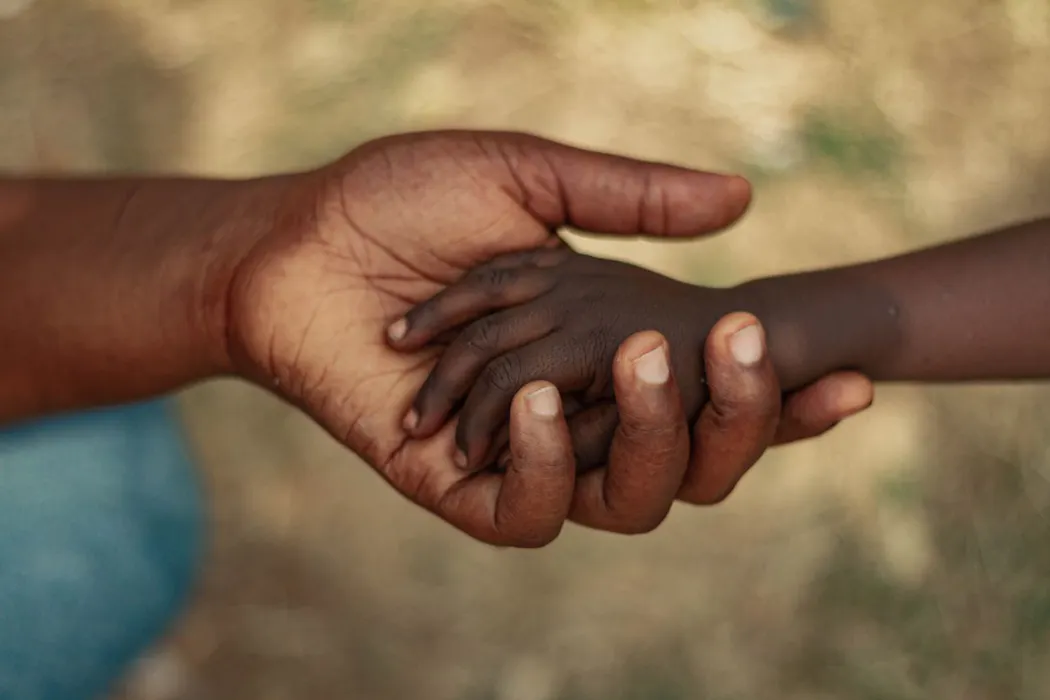
When a child is raped, abandoned or removed from a violent home in South Africa, a child protection social worker is assigned to the wellbeing of that child. They listen to the details, assess the danger, make urgent decisions. Once the child has been placed somewhere safe, the social worker moves on to the next case.
I am a social work researcher and educator, and have worked in the field of trauma for more than three decades. Protecting children has been at the centre of that work. Over time a question has kept surfacing: who protects the people doing the protecting?
In a recent study in South Africa’s Eastern Cape province, I interviewed frontline child protection social workers and supervisors, and then piloted a care programme with them. This experience suggested a troubling answer: many social workers are carrying trauma silently, in a system that offers them almost nothing to hold it.
South Africa has roughly 44,500 registered social workers for a population of about 63 million, and the Eastern Cape’s ratio is much the same, with just over 5,100 social workers for some 7.2 million people.
The scale of what child protection social workers face is difficult to overstate. In 2024-25, the South African Police Service
recorded 22,055 sexual offences against children. In the same year the Department of Social Development logged 26,852 cases of child abuse and neglect, nearly 10,000 of them involving sexual abuse.
For practitioners in the Eastern Cape, abuse, coerced pregnancy, abandonment and infant death are not separate problems. They are the same families and the same case files, one crisis leading into the next, and the law says they must deal with all of it.
I call what happens to these workers “the sound of silence”. It is the slow disconnection from the children and families they serve, from colleagues, and eventually from themselves, that sets in when trauma is absorbed day after day and never processed. I have kept in touch with child protection social workers in the Eastern Cape since my doctoral research in 2018. Over the years the same message has kept reaching me from supervisors and frontline workers: a steady wearing down. The study I describe here was my attempt to test what I had been hearing.
Drawing on what social workers told me in the interviews and workshops, I believe preparation must begin in the classroom, not on placement: students need to understand trauma and recognise it in themselves. Supervision must be treated as a trained skill, not an administrative check, and employers must create regular space for workers to debrief and reconnect.
If social work is to protect children, it must also protect the people who do that work.
What social workers said
My study had two phases. In the first, I drew on in-depth interviews with 16 child protection social workers and supervisors across four Eastern Cape municipalities, exploring how the daily realities of implementing the Children’s Act shaped their emotional wellbeing.
In the second, I worked with 22 practitioners from child protection, substance abuse, family counselling and related services to co-design and pilot a two-day trauma-informed care workshop. Trauma-informed care is an approach to running services in which everyone assumes that the people they work with may have been affected by trauma, and organises practice so as not to make that worse.
Trauma can include abuse, neglect, violence at home, a parent struggling with addiction, mental illness or prison, or parents separating.
The workshop covered the neurobiology of trauma – the way trauma can physically change a child’s brain and have lasting effects on physical health. The body holds fear that the mind cannot put into words, and social workers who listen to trauma every day carry it in their bodies too.
Workshop participants also built simple “shoebox toolboxes” – low-cost therapy kits they could recreate for home visits with children. Using crayons, magazines and glue, a child decorates the outside of the box to show how they appear to the world, and fills the inside with what they really carry. When the social workers made boxes about themselves, the inside told the same story: exhaustion, feeling unseen, and a need for more training and real reflective supervision.
Two themes came up again and again.
The first was chronic resource scarcity – like lack of transport or office supplies to do the work.
Caseloads of over 160 were reported. South African policy uses 60 cases per social worker as the benchmark.
The second theme was the near-absence of meaningful supervision – the structured, reflective support that should help social workers process what they see.
Burnout spills into private life. “I am not coping,” one worker told me. “It is affecting everything and especially my marriage.”
Read more:
What is burnout and how to prevent it in the workplace – insights from a clinical psychologist
How training can help
Secondary trauma is the distress that builds up in people who repeatedly hear and witness other people’s trauma, producing symptoms much like those of the trauma survivors themselves. South Africa’s version is intensified by inequality and underfunding.
The implication of my findings is that trauma-informed care ought to be woven into social work education, so students enter the field with a language for trauma and the reflective capacity to sustain themselves.
The four-year social work degree must cover everything from casework to community development to law, so at present, trauma is touched on rather than taught in depth.
Read more:
Violence against women and children is deeply connected. Three ways to break the patterns
Outcomes from the research workshop showed what’s possible. Two shifts stood out in the feedback from the participants.
First, they began reinterpreting “difficult” client behaviour – mistrust, withdrawal, apparent resistance – as survival responses to adversity rather than defiance. Understanding behaviour produces better decisions and is also less draining for the social worker.
Second, the training gave them permission to name their own trauma. One participant said:
It’s as if I don’t feel so alone anymore.
Another, who had left the profession, admitted:
It broke me.
Trauma-informed supervision should be treated as a formal professional competency, not something assumed to arrive with seniority. And employers – government and NGOs – should build routine spaces for debriefing and peer support.
Supervision protects those already in practice; education prepares those who are coming. Neither is sufficient on its own.

Marinei Herselman received funding from the University of Fort Hare for this project.
Original source: https://analysis1.mil-osi.com/2026/09/15/social-workers-who-protect-children-in-south-africa-carry-a-burden-of-trauma-better-preparation-could-help/