

Source: The Conversation – USA (3)
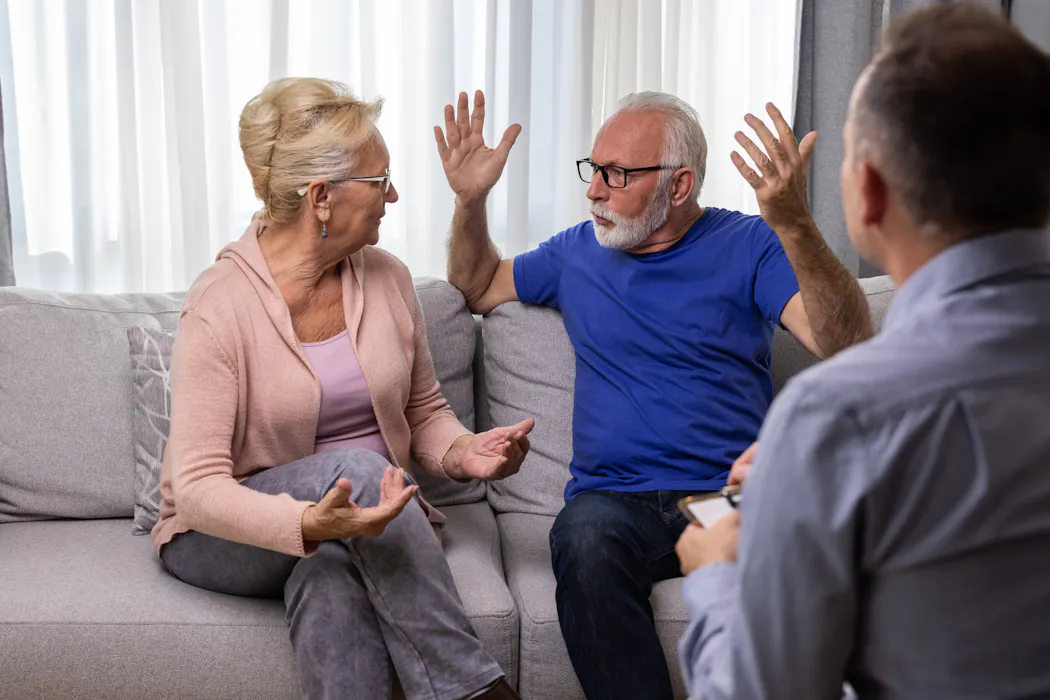
People are living longer, reshaping what it means to grow old.
By the late 2060s, an estimated 2.5 billion people worldwide will be age 60 or older – more than the number of people under 18. The population age 80 and older is expected to grow even faster, more than tripling between 2023 and 2060 to about 545 million.
Living longer means spending more years navigating the changes that can accompany later life. Those changes can raise questions and concerns that people may explore in counseling or therapy settings. Yet older adults are far less likely than younger adults to receive counseling or therapy.
I study aging, disability and mental health, and I am interested in how counseling can better serve the needs of people later in life. In my view, the counseling gap for older adults often reflects outdated notions of aging and of what counseling can offer.
A comment from a 79-year-old acquaintance helped me put this into perspective. After accompanying a family member to a counseling session where much of the conversation focused on aging and death, he reflected that older adults need opportunities to talk about more than dying. They also need someone willing to listen to them talk about living, along with the changes they are navigating, the decisions they are making and what matters to them now.
The role of counseling in older adulthood is broader than addressing illness, loss and bereavement. These are important concerns, but counseling can also help people navigate changes in work, health, abilities, relationships, independence and identity, and consider what comes next.

Thomas Barwick/DigitalVision via Getty Images
Why some older adults don’t seek help
According to national data from 2024, 7.5% of adults ages 65 to 74 and 5% of adults 75 and older received counseling or therapy from a mental health professional – compared with 20.2% of adults ages 18 to 29.
There is no single reason older adults are less likely to seek counseling. Some obstacles are practical. Cost, health problems, transportation and difficulty accessing services can all make getting help more complicated.
What’s more, many older adult don’t generally think of counseling as an option in the first place, research suggests – instead preferring informal sources of help over professional mental health services. Stigma, negative beliefs about therapy and cost were among the most frequently reported barriers.
Expectations about aging may matter, too. A 2025 review found that older adults and health professionals who hold negative stereotypes about aging may have less faith that psychotherapy can lead to change or improvement.
These factors help explain why counseling may be difficult to access or may not feel like somewhere to turn for support. But they don’t tell the whole story. Some of the changes that come with growing older can be difficult to navigate, even when people don’t think of what they’re experiencing as a reason to consider counseling.
Later life can bring decades of change
Aging is characterized by so many transitions – some chosen and others shaped by circumstance: A person may be retiring after a career that shaped their daily life and identity for 40 years. Or they may want – or need – to continue working but can no longer do the same job.
Others may be learning to live with a disability, giving up driving, caring for a spouse, moving from a longtime home, beginning a new relationship or adjusting to changes in independence.
These transitions can affect more than daily routines. Retirement, for example, can challenge a person’s sense of meaning in life. Other later-life transitions – including bereavement, relocation and changes in physical health – can also affect purpose and well-being.
The way counselors think about mental health support in later life has also evolved since the early 2000s. Researchers and practitioners have begun to pay greater attention to the wide differences in how people experience aging, the strengths older adults bring to later life, and their capacity for continued growth and change.
Updated 2024 guidelines for working with older adults reflect this broader view, emphasizing individual circumstances, relationships, health, abilities and the social realities of aging.
That shift can change what a person chooses to talk about with a counselor. Giving up driving may be about independence as well as transportation. Leaving a career may raise questions about identity, purpose and what comes next. Adjusting to a disability may involve figuring out what is still possible and how someone wants to move forward.
Counselors’ assumptions about aging can also shape those conversations.
Research has found that even counselors who work with older adults may hold age-related biases. If a counselor views an older person’s struggles primarily through the lens of age, illness, death or bereavement, they may lose sight of other areas of life that are equally important to the person, such as independence, relationships, identity, purpose, changing roles and the life still ahead.
What counseling can offer in later life
Research shows that older adults can benefit from counseling as much as younger adults do – not just to address a mental health diagnosis but when navigating a life change. Counseling can offer a place to talk not only about what has changed but what that change means and how someone wants to live moving forward.
If you’re considering counseling later in life, here are a few things to keep in mind:
-
Don’t assume counseling isn’t for what you’re going through. Retirement, caregiving, changes in independence, disability, relationships or questions about what comes next can all be reasons to seek support.
-
When choosing a counselor, the American Psychological Association recommends asking about their experience. Inquiring whether a counselor you’re considering has experience working with older adults, and whether they have experience with the issues that matter to you, will help you evaluate whether they are a good fit.
-
In your first few sessions, pay attention to how the conversation feels. Counseling is collaborative, and feeling comfortable with the person you choose matters. If the conversation is not addressing what brought you there, it is reasonable to say so or to consider whether another provider might be a better fit.
Counseling in later life may sometimes involve grief, illness and loss. But it can also provide a place to ask a different kind of question: What do I want my life to look like now?

Lee Ann Rawlins Williams does not work for, consult, own shares in or receive funding from any company or organization that would benefit from this article, and has disclosed no relevant affiliations beyond their academic appointment.
Original source: https://analysis1.mil-osi.com/2026/09/14/why-so-few-older-americans-get-counseling-and-how-it-could-help/