

Source: The Conversation – Canada
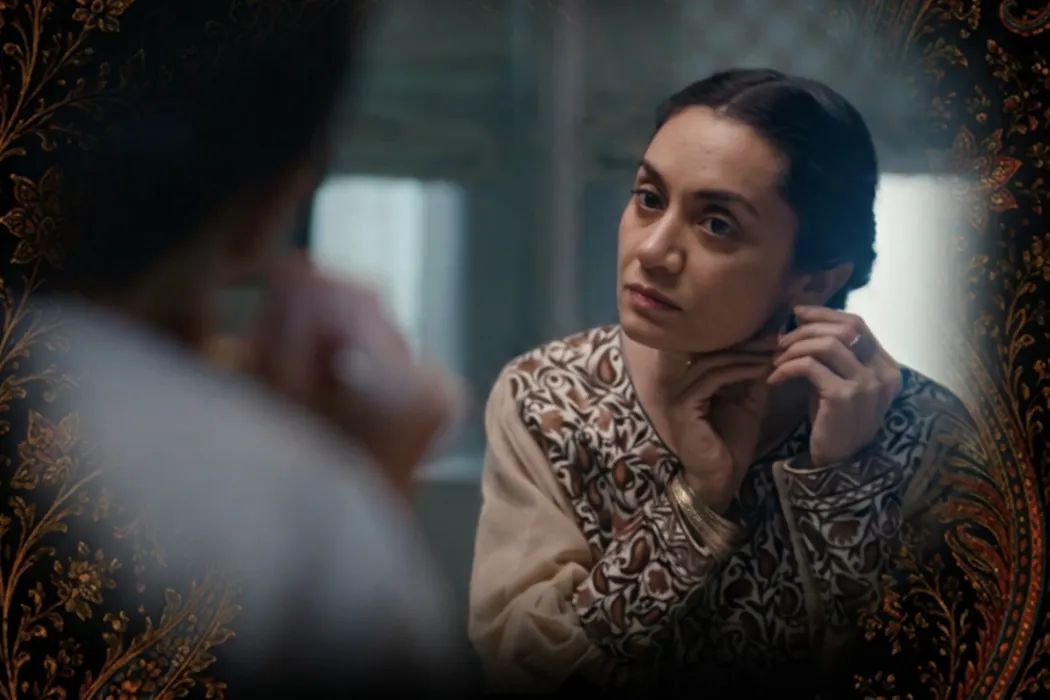
Saffron Kingdom is a rare and special film about Kashmir, created by a Kashmiri filmmaker Arfat Sheikh. Although the film was released in 2024 (Daffodil Studios), there was only one Canadian screening, in October 2025, meaning it was a hard film to see. That’s changed with its recent release on the streaming service Watermelon Plus, making the drama available to a larger audience.
The film offers a rare glimpse into how everyday life in Kashmir is impacted under militarization and surveillance. The Indian state prefers to tell a different version of the story.
The film is centred on Masrat, a woman from Indian-administered Kashmir who, after her husband’s enforced disappearance in 2014, escapes the valley with her son. The movie follows her family’s displacement over three generations from their life in Kashmir to their current life in Atlanta, Ga.
The film uses memory and family stories to guide viewers through Kashmir’s political history. It emphasizes silence, rituals and inherited grief. It portrays displacement not as a clear timeline of dates and policies but as a complex loss transmitted across generations, often explained imperfectly.
Read more:
Borders and orders: How settler-government occupations violate Kashmiri sovereignty
The filmmaker’s father, well-known Kashmiri singer Ghulam Nabi Sheikh, disappeared in 2003 while travelling by train. His family describe it as an enforced disappearance by the Indian army.
Though the film is not autobiographical, it’s inspired by true events as it deals with the collective issue of disappearance, including extrajudicial killings, and political repression in Kashmir. Sheikh says the film grew out of his years spent travelling throughout Kashmir and hearing stories of loss and violence.
Reclaiming the story of Kashmir
The film opens in Jammu and Kashmir’s summer capital of Srinagar in 1989. Young Masrat lives a simple life. Her father is teaching her to nurture their land. But her childhood is disrupted when the Indian military suddenly barges in and the child, threatened, runs into the arms of her aunt. The army attacks her father, a revolutionary poet.
The film portrays the Gowkadal massacre of January 1991 through the story of Masrat’s family. On the day of her paternal aunt’s wedding, the aunt’s fiancé is killed in the massacre and the Indian army kills Masrat’s father at the wedding.
For most of its cinematic history, India has largely controlled Kashmir’s story, spending years turning the area into a national fantasy and using it as a setting for romance, honeymoon songs and beautiful landscapes. It’s a narrative that has helped sustain Kashmir’s image as a tourist destination.
In her book Territory of Desire: Representing the Valley of Kashmir, Prof. Ananya Jahanara Kabir of King’s College London explains how Bollywood has leaned heavily on propaganda.
More recently, Kashmir has been serving as a backdrop for stories about the Indian military. In both portrayals, Kashmiris are generally in the background, either as props or villains. For many years, external voices have predominantly shaped the global and Indian narratives of Kashmir’s history.
In contrast, Saffron Kingdom focuses not on Kashmir as the Indian state views it, but on the local perspective. It’s about a Kashmiri family and an honest portrayal of the very real impact the conflict has had on their lives.
Why the film couldn’t be made in Kashmir
A viewer may note the absence of genuine Kashmiri locations and actors. In fact, some critics note that the film’s English-accented dialogue and largely non-Kashmiri cast creates distance from the subject.
However, this is not due to artistic choices or financial limits. Sheikh explained in interviews why Saffron Kingdom could not be filmed in Kashmir and why none of the Kashmiri characters are played by people living there. He said it would be impossible to make the film under current circumstances and warned that families of local actors likely would have faced retaliation from Indian security forces.
Press freedom has declined sharply since 2019. In the years following the abrogation of Article 370, an article of the Indian Constitution that granted some autonomy to Jammu and Kashmir — including the right to have their own constitution and some legal and land rights — press freedom has declined.
Read more:
In India, Modi’s nationalism quashes dissent with help from the media
Journalists are faced with increased surveillance, harassment, travel restrictions and legal action under anti-terror laws because of their reporting.
By streaming Arfat Sheikh’s Saffron Kingdom, Watermelon Plus is providing a rare platform for Kashmiri stories told by Kashmiris. The film may help to bring international attention to Kashmir’s overlooked suffering. The film ends with an interview with the last survivor of the Gowkadal massacre.
Saffron Kingdom is available to view on Watermelon Plus.

Shambhavi Siddhi does not work for, consult, own shares in or receive funding from any company or organisation that would benefit from this article, and has disclosed no relevant affiliations beyond their academic appointment.
Original source: https://analysis1.mil-osi.com/2026/09/09/streaming-now-kashmiri-film-saffron-kingdom-offers-a-rare-insider-perspective/