

Source: The Conversation – UK
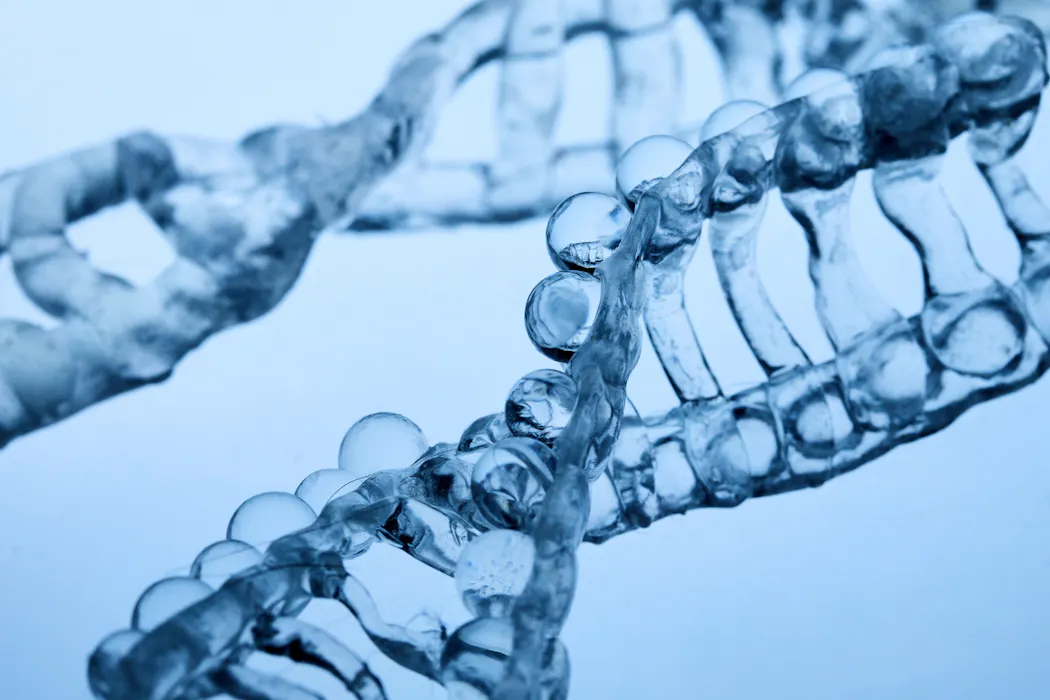
The cells of our body are frequently exposed to hazards that can cause them to be damaged, malfunction or die. Yet they have defence systems that can sometimes be strengthened by small doses of stress, a phenomenon known as hormesis. Scientists are investigating whether food compounds and medicines can harness these protective processes to benefit health.
The hazards of modern life are often discussed in terms of their potential to damage major organs. For example, air pollution can damage the lungs and contribute to asthma and other breathing disorders.
Although effects at the organ level are important, this view can miss the challenges faced by the individual cells that make up the lungs and every other part of the body. Our cells are frequently exposed to stresses including ultraviolet radiation from the sun, alcohol, pollutants and the byproducts of some medicines.
These hazards can damage DNA, which carries a cell’s genetic instructions, as well as proteins and the fatty membranes surrounding cells. If the damage becomes severe enough, it can cause cells to malfunction or die. Yet, despite this seemingly constant barrage of potential stresses, most of our cells adapt, survive and function effectively throughout our lives.
Stress responses
Our cells possess specialised stress responses that detect particular hazards and alter the activity of genes involved in protecting the cell. One of the best-studied examples is NRF2, a protein that acts as a molecular switch for hundreds of protective genes. When activated, these genes help cells limit damage and remove potentially harmful chemicals.
Other stress responses increase the ability of cells to remove and recycle damaged proteins, repair DNA or slow down cell division to conserve energy and prevent damage from spreading. Severe or prolonged stress can still overwhelm these defences and cause lasting harm.
One of the most remarkable features of these responses is their ability, under certain circumstances, to convert a small challenge into a useful adaptation that can leave cells better able to cope with a later challenge. This dose-dependent pattern, in which a limited exposure to a stressor stimulates a protective response while a stronger exposure causes harm, is known as hormesis.
Exercise provides a familiar comparison. Placing muscles under temporary strain, followed by recovery and repeated exertion, stimulates adaptations that make them stronger and better able to cope with future demands. Some cellular stress responses may work according to a similar principle, leaving cells better prepared to face a repeat challenge.
Researchers have proposed that these responses may also help us cope with some of the chemical compounds produced by plants to deter predators and pests. When we eat plants as fruits and vegetables, some of their compounds may create a mild challenge that activates protective responses in our cells.
Broccoli and other cruciferous vegetables provide one example. When they are chopped or chewed, they produce sulforaphane, a compound that can activate NRF2 in laboratory-grown cells and animals.

Natalia Deriabina/Shutterstock
The evidence that consumption of broccoli or sulforaphane stimulates the NRF2 response in people remains uncertain. A systematic review of 18 human studies found mixed results, and many of the studies had methodological limitations that could have distorted their findings. One barrier has been a lack of ability to measure effects on stress responses by taking a blood sample. Researchers are trying to identify such biomarkers to allow them to investigate the human health benefits of sulforaphane and other compounds in more detail.
Stress response targeting medicines
Fruits and vegetables supply fibre, vitamins, minerals and many other compounds. Their health effects arise through numerous interacting processes, with adaptive cellular stress responses potentially contributing alongside these other mechanisms.
Scientists have spent decades studying the intricate ways in which cells sense and adapt to different stresses. Learning how these protective responses are switched on could be useful beyond nutrition. Researchers are now using this knowledge to develop medicines that activate cellular defence systems as treatments for different diseases.
One example is omaveloxolone, which activates NRF2. In April 2025, it became the first medicine approved in the UK specifically for Friedreich’s ataxia, a rare inherited condition that progressively damages the nervous system and causes problems with movement. In a 48-week clinical trial, people receiving the medicine performed better on an assessment of physical impairment than those receiving a placebo.
As with all medicines, there are potential risks. Activating a cellular stress response too strongly or for too long may have harmful effects, so researchers must establish which stress responses can be targeted safely and which diseases could benefit.
Hormesis does not mean that deliberate exposure to pollution, ultraviolet radiation or other hazards are beneficial. Neither does it show that supplements marketed as NRF2 activators are beneficial in healthy people. The dose, duration and type of stress all influence how cells respond.
The cells of our body are constantly exposed to potential sources of damage. When a challenge is limited, cell defence systems may adapt, leaving them better able to cope with later stress. This process, hormesis, may help explain some of the health benefits of regular exercise and a diet rich in fruits and vegetables.
As scientists learn more about the process of hormesis and how cells defend themselves, carefully targeted medicines may offer new ways to treat specific diseases.

Ian Copple receives funding from UKRI.
Original source: https://analysis1.mil-osi.com/2026/09/03/how-a-little-stress-may-help-our-cells-protect-themselves/