

Source: The Conversation (Au and NZ)
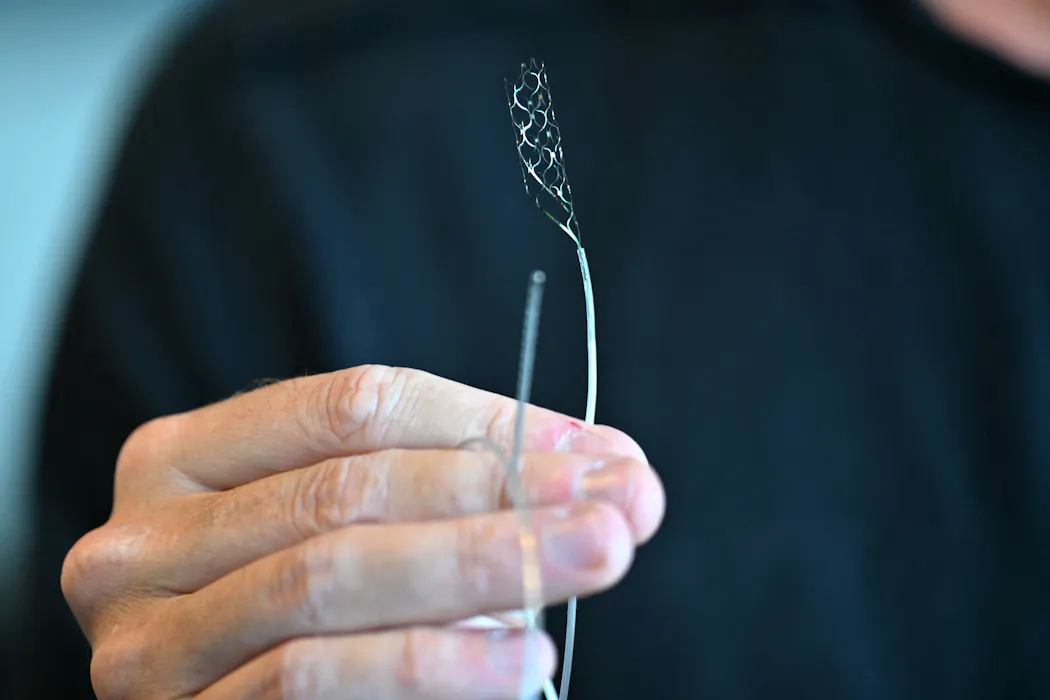
In 2024, Elon Musk’s Neuralink put its first brain implant into a human amid doubt from scientists and allegations of animal cruelty.
Two and a half years later, that first patient is one of more than 20 “neuralnauts” who use their implants to participate in the online world.
Brain implants are becoming smaller, more compatible with human bodies, and dramatically more capable. People with paralysis can use brain-computer interfaces to produce speech almost instantaneously.
Earlier this year, researchers in the United Kingdom showed volunteers wearing a headset could control robotic limbs and their natural ones at the same time.
As the industry takes off, we will see more and more clinical trials of devices that are implanted in the brain.
In a recent study, my colleagues and I tried to address an increasingly important question: when a clinical trial of an experimental neural device ends, what does that mean for the human participants?
Tough questions
There is no simple answer. Some participants may be able to continue using an implanted device “off-label” as part of a special access scheme, or if the trial sponsor enrols participants into a follow-up study.
But if the trial sponsor is funded by a research grant or venture capital, they may not be able to cover the costs of potentially lifelong device support. Participants may need to have their device removed at the end of the trial, even if they have benefited from it.
These scenarios are not hypothetical.
This is becoming a significant issue in Australia, where a new generation of neurotech companies is taking off.
Last year, Melbourne-based company EpiMinder received FDA authorisation to market their continuous seizure monitoring system for epilepsy. Synchron has raised well over A$300 million for its “minimally invasive” endovascular brain-computer interface and has recently commenced its latest Australian clinical trial.
No rules, yet
Yet Australia currently has no rules about how trial organisers should be required to support participants for the long term. Nor are there rules about how participants should be supported when trials are suspended or devices discontinued.
Current guidance offers little direction on what ethical arrangements should involve. The Australian clinical trial handbook requires researchers to “clearly explain” whether participants will have continued access.
However, this is difficult in practice. Trials of implantable systems often last several years. This makes it difficult for participants to anticipate what their future needs and preferences will be once the trial comes to a conclusion.
Asking the experts
We brought together an expert panel of 24 clinicians, bioengineers, consultants, bioethicists and research governance professionals to develop recommendations on post-trial responsibilities in Australia.
If the sponsor is able to give participants the option of post-trial use, we recommend giving participants and their loved ones a realistic picture of what continued use will look like. Which clinical and technical supports will remain available, and who will provide them? Will surgery and maintenance be covered by public healthcare or private health insurance? What costs might participants face themselves?
Years may pass before a device receives regulatory approval or becomes eligible for reimbursement. Participants should be provided with updates on changes to funding, regulatory status or manufacturers’ commercial plans that could affect their ongoing care.
This does not always happen in neurotechnology research. Transparency helps participants assess their participation and plan for life after the trial.
Geographic barriers
Geographic and socioeconomic factors also bear on continuing access to device support. Trials are often run from metropolitan teaching hospitals. Some participants may need to make repeated visits to the trial site for outpatient care or inpatient stays.
Flights and accommodation may need to be arranged for participants who must travel interstate, particularly as laws around psychosurgery vary between states. This can complicate access to local care.
We recommend anticipating barriers to continuing device use that may disproportionately affect some participants.
During recruitment and study design, research teams should engage participants’ primary treating physicians to discuss what aspects of post-trial support can be safely (and lawfully) taken on locally.
Some procedures will still require specialist expertise, but sharing post-trial support could reduce travel costs and dependence on the original research team.
Better treatment for pioneers
The end of a clinical trial should not mean losing access to a device when better planning and coordination between trial organisers could have made continued use possible.
Ultimately, these trial participants are pioneers who put their brains in researchers’ hands to help develop promising new treatments.

Nathan Higgins works for Monash University. His salary is funded by an Australian Research Council Future Fellowship (ID: FT220100509).
Original source: https://analysis1.mil-osi.com/2026/09/03/experimental-brain-implants-are-on-the-rise-what-happens-after-the-trials-are-over/