

Source: The Conversation (Au and NZ)
The government has just received a raft of suggestions to overhaul its under-pressure aged-care system.
The Ministerial Advisory Group on Aged Care’s report sets out 40 recommendations, including a shift towards a more integrated, “people-centred” system and better services to help older people remain at home.
Importantly, the 168-page report highlights inequities in how Māori access and experience aged care.
It calls for a more culturally responsive system, with cultural safety embedded in everything from assessment and care planning to the delivery of services.
The case for change now appears difficult to ignore, with Associate Health Minister Casey Costello acknowledging the current funding model is outdated and the wider system siloed.
Officials are now considering the recommendations before decisions are made on future policy and funding.
This offers an opportunity to rethink how aged care works for Māori. Alongside the report’s many findings, our recently published research offers policymakers some timely guidance on where to start.
Where the status quo falls short
As New Zealand’s population ages, long-standing inequities across health and access to care can compound in later life.
Many aged-care services remain centred on Western models of care that may not reflect the needs, values and preferences of all older people.
At the same time, Māori with daily care needs are about half as likely as non-Māori to access community-based aged care and about half as likely to enter residential care.
But, as the report notes, more Māori will need residential care over the next 20 years, with those entering care likely to have higher and more complex needs.
The report links this demand to those historic systemic inequities, as well as earlier onset of long-term conditions and barriers to timely assessment and care.
There are other reasons Māori may be less likely to enter residential care.
They can also be less likely to be referred for funded services, access to carers and facilities varies between regions, and formal services may not always reflect Māori expectations of care.
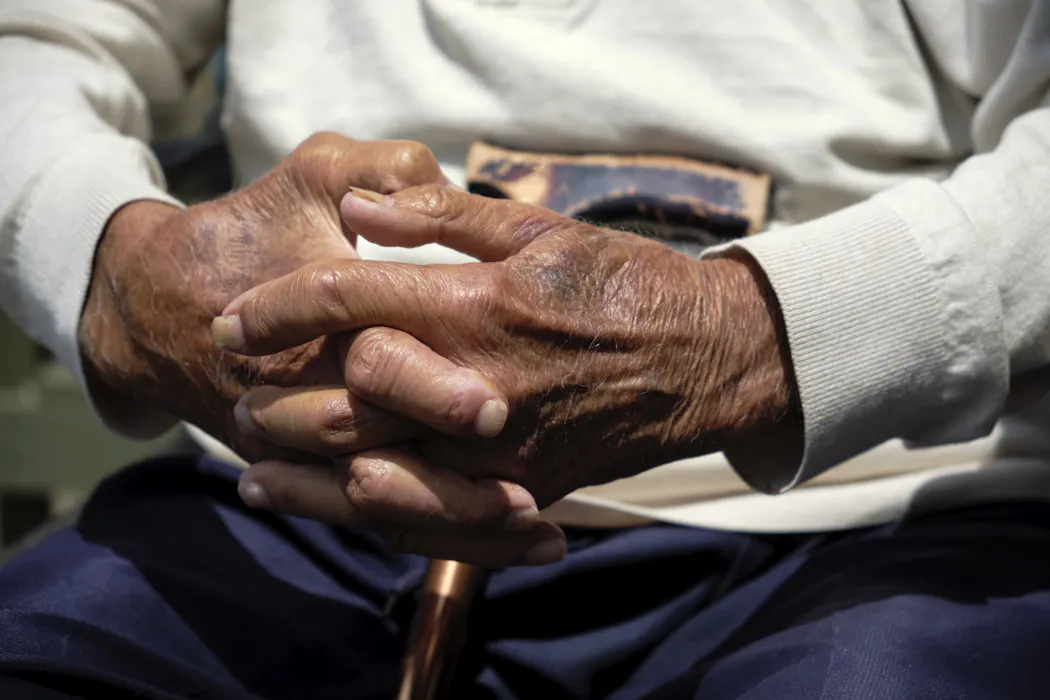
Some kaumātua prefer to be cared for at home by whānau. This can require support for everything from meals and housework to transport and showering.
Often, such needs can exceed what whānau can manage . They might live elsewhere, have other responsibilities, or simply can’t offer the level of care required – leaving them feeling guilty.
Better aged care therefore needs to recognise and support the role of whānau carers through appropriate training and resources, while ensuring outside help is available when needed.
More than physical care
Our own recent research on Māori aged-care needs, drawing on more than 40 studies and reports, found this physical and practical support is just one part of the picture.
Other priorities include maintaining independence, relationships with whānau and community, cultural identity and connection to place.
This week’s report calls for better services to support “ageing well in place” – helping older people remain at home for longer as their needs change. For some kaumātua, this can mean remaining or returning to ancestral whenua and the communities to which they belong.
Aged care for Māori therefore needs to extend beyond health services, taking account of factors such as housing, transport and access to culturally appropriate care.
That includes a workforce equipped to incorporate te reo Māori and tikanga (customary practices), as well as access to rongoā Māori (traditional Māori healing) and appropriate food.
Just as importantly, good care should support kaumātua to remain independent and involved in whānau and community life.
Physical or cognitive limitations need not prevent this: kaumātua might continue with activities around the home or share knowledge and stories with younger generations.
What should policymakers be asking?
Those officials now tasked with considering the report’s recommendations have some important questions to address.
Will a redesigned system take a genuinely holistic approach to care, encompassing physical and mental health alongside cultural and whānau wellbeing?
Will kaumātua have a meaningful say in decisions about their care, and will services reflect the values important to them?
Other considerations are more practical. Care needs to be accessible and affordable, while allowing kaumātua to remain connected with whānau, friends and their communities.
Residential care should offer meaningful activities people actually want to participate in, while all forms of care need to provide an environment in which people feel safe.
Kaumātua and whānau also need clear, accessible information to make informed decisions about the care available to them.
These are also useful questions for kaumātua and whānau themselves. Not everyone will need additional support in older age, but conversations about their priorities and preferences can begin well before formal care is needed.
These questions aren’t new. The Aged Care Commissioner’s 2024 report, which drew on the voices of thousands of older people, whānau, carers and service providers, identified many of the same concerns.
With the latest review again making the case for significant change, the government has an opportunity to address longstanding shortcomings and support more Māori-led approaches to aged care.
Done well, reform could help create the conditions for kaumātua and their whānau to flourish.

Joanna Hikaka does not work for, consult, own shares in or receive funding from any company or organisation that would benefit from this article, and has disclosed no relevant affiliations beyond their academic appointment.
Original source: https://analysis1.mil-osi.com/2026/08/20/nz-is-eyeing-reform-of-its-strained-aged-care-system-how-might-a-reset-deliver-for-maori/