

Source: The Conversation (Au and NZ)
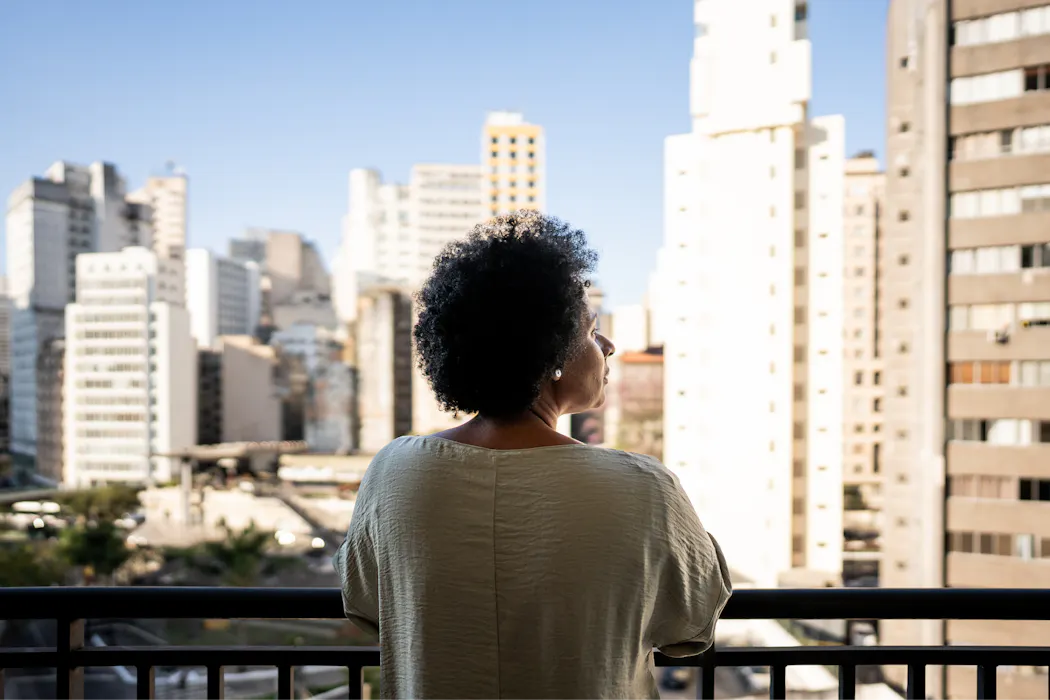
Like many women raised in traditional cultures and religious contexts, I was taught that a “good” woman holds the family together. In my culture, women were often glorified for quietly accepting hardship.
As a highly educated, financially independent and well-informed professional, admitting I had lived in an abusive relationship for a long time felt shameful and felt like a personal defeat. Seeking help felt like exposing weakness and vulnerability.
As a researcher in mental wellbeing, I now understand my experience was not unique. One in four Australian women has experienced violence from an intimate partner since the age of 15.
Women from migrant and refugee backgrounds face an even greater risk. Official data among migrant and refugee communities in Australia remains limited. But a 2020 national survey of about 1,400 migrant and refugee women found one in three had experienced domestic violence in the previous five years.
Stigma, financial dependence, fears of social exclusion and community acceptance of abuse can make it much harder for some women to get the support they need.
The hidden face of abuse
Intimate partner violence does not always or only involve physical harm. A less visible but often equally devastating aspect is coercive control.
This involves a pattern of behaviours designed to dominate another person. It can involve intimidation, surveillance, financial control, emotional abuse, isolation and gradually removing their autonomy.
Increasingly, coercive control can also be facilitated through technology such as digital surveillance, monitoring and tracking. This can further isolate victims, making it more difficult for them to seek help and stay connected to others.
Because coercive control can be difficult to recognise, women may struggle to make sense of what is happening and identify it as abuse. This can be especially difficult if cultural and religious beliefs emphasise women’s submission to male authority.
When abuse is normalised
In some communities, social and cultural expectations and stigma may shape how coercive control and other kinds of abuse are understood, tolerated and responded to.
For example, family and community members may normalise verbal abuse, male dominance in decision-making, and expectations that women should be compliant within relationships.
Pressure to preserve the family unit can also outweigh women’s personal safety. Women may fear that disclosing violence to the extended family or others within their community will lead to social exclusion.
My own silence was shaped by shame and internalised beliefs. Domestic violence felt like something that happened to other people. Disclosing it felt as though I would bring shame upon myself and my family.
Many migrant and refugee women may also face additional challenges. These include social isolation, language barriers, limited knowledge of services, and mistrust of authorities.
Immigration status can become another tool of coercive control, making women on temporary visas particularly vulnerable.
They may be dependent on their partner for a visa, and fear deportation, financial insecurity and losing custody of their children if they report abuse. These are significant barriers to leaving abusive relationships – and to even know where and how to seek help.
The problems don’t stop there
When a woman seeks help for domestic violence, for example at a police station, a risk assessment is performed.
A risk assessment asks about threats, past violence, controlling behaviours and anything that could place women and her children at risk. It helps work out how likely future violence is, and what support and safety measures may be needed.
But the way risk assessments are currently done may not adequately capture the cultural and migration-related aspects of coercive control.
For example, women are not routinely asked about whether they rely on their partner for a visa, or how cultural or gendered expectations may be used as tools of coercive control. This means important aspects may be overlooked.
What needs to change
Australia’s National Plan to End Violence Against Women and Children 2022–32 identifies culturally and linguistically diverse women as a priority population.
But this is only the first step.
Women from migrant and refugee communities need to be involved from the beginning in designing the response. This means more than adapting existing services. It will involve building services that are culturally safe, trauma-informed and accessible.
Read more:
What does being ‘trauma-informed’ actually mean?
For example, evidence suggests community education can improve awareness of domestic violence, legal rights and available supports when it’s delivered by trusted community members and in women’s preferred languages.
Religious leaders can also play an important role. They may help reduce stigma and facilitate earlier help-seeking, as they are often the first point of contact for women seeking guidance and support.
Access to professional interpreters is also essential. However, confidentiality concerns within small cultural communities must be carefully considered.
Finally, we need to train frontline responders – including police, health-care professionals and domestic violence practitioners – to assess risk holistically. This means recognising how culture, religion, migration and gender expectations can influence women’s experiences of abuse.
No woman should have to choose between her safety, self-respect and social acceptance. Every woman deserves to be heard, believed and protected.
The National Sexual Assault, Family and Domestic Violence Counselling Line – 1800 RESPECT (1800 737 732) – is available 24 hours a day, seven days a week for any Australian who has experienced, or is at risk of, family and domestic violence and/or sexual assault. You can ask for an interpreter. Or you can call the Translating and Interpreting Service on 131 450 and ask them to connect you to 1800RESPECT.
If you prefer to contact a specialist service for migrants or refugees, a list of services available in your state or territory is here.

Shikha Malviya does not work for, consult, own shares in or receive funding from any company or organisation that would benefit from this article, and has disclosed no relevant affiliations beyond their academic appointment.
Original source: https://analysis1.mil-osi.com/2026/08/20/leaving-abusive-relationships-can-be-harder-for-migrant-women-heres-what-they-need-to-feel-safe/