

Source: The Conversation – UK
When Mark Hughes, the former Manchester United and Wales manager, lost his 38-year-old son, an inquest found the cause was sudden adult death syndrome, or Sads.
He had appeared healthy. There was no obvious disease. For a family, that combination is almost impossible to make sense of. How can someone die from a heart condition when even a post-mortem might find nothing wrong with their heart?
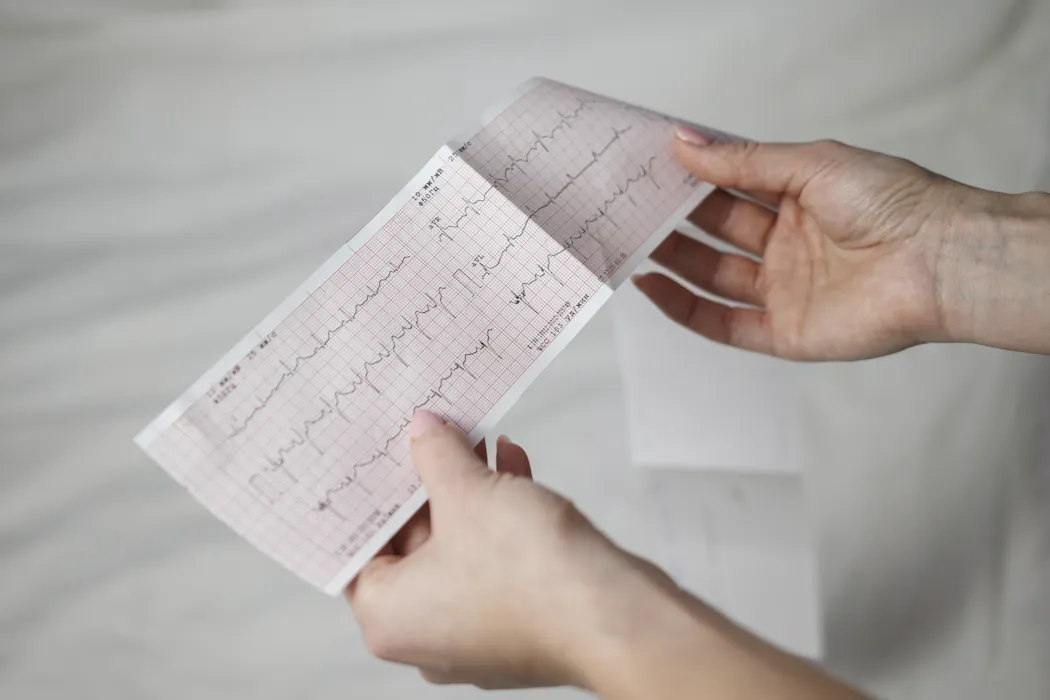
The answer starts with something easy to forget: the heart isn’t just a pump; it’s also an electrical organ. Every heartbeat begins with a signal that ripples through the heart in a precise sequence, telling each chamber when to contract. In Sads, the fault often lies in that electrical system, not in the heart’s physical structure.
If the signal becomes unstable, an abnormal rhythm – an arrhythmia – can develop. Most are harmless. But some that start in the heart’s lower chambers, the ventricles, can be fatal. During ventricular fibrillation, electrical activity turns chaotic and the heart quivers instead of pumping. Blood stops reaching the brain, causing the person to lose consciousness.
Without CPR and a shock from a defibrillator, they can die within minutes. This is a cardiac arrest.
It’s worth being clear that a cardiac arrest isn’t the same as a heart attack, even though the terms get used interchangeably. A heart attack happens when a blocked artery starves part of the heart muscle of blood. A cardiac arrest happens when the heart suddenly stops pumping blood around the body.
A heart attack can cause a cardiac arrest, but the two are not the same thing. In Sads, it’s usually the electrical rhythm that’s suspected, not a blockage.
That electrical fault is also why Sads is so hard to investigate. A post-mortem is good at finding structural problems – a blocked artery, damaged muscle, an enlarged heart. But an electrical disturbance often leaves nothing behind to find.
Once someone has died, the activity that once controlled their heartbeat is simply gone, so a pathologist can examine a heart that looks entirely normal, even though it was fatally malfunctioning minutes earlier.
Sads is a sudden, unexplained death from cardiac arrest. It kills around 500 people in the UK every year.
Some cases trace back to inherited conditions affecting the microscopic channels that move electrically charged particles in and out of heart cells – the machinery behind every heartbeat.
Conditions linked to Sads include long QT syndrome, Brugada syndrome and catecholaminergic polymorphic ventricular tachycardia. The names are a mouthful, but they share one trait: they can destabilise the heart’s rhythm without leaving any structural trace.
This is where genetics can succeed where a conventional post-mortem can’t. DNA retained after an unexplained death can be tested for variants linked to inherited heart disease, an approach sometimes called a molecular autopsy. A genetic variant turns up in as many as 13% of Sads cases.
Finding a cause isn’t only about explaining a death. It can protect the people left behind.
Warning signs, when they exist, are easy to miss. Some people have exercised, worked and lived entirely normally right up until their cardiac arrest. Others had symptoms without realising what they meant: unexplained fainting, especially during exercise, or recurrent palpitations and dizziness. Fainting caused by a rhythm disturbance can even be mistaken for a seizure.
Genetic component
Family history matters just as much. An unexplained sudden death in a parent, sibling or child – particularly at a young age – can point to an inherited condition, since many of the disorders behind Sads run in families. That doesn’t mean everyone with palpitations or dizziness has a dangerous heart problem; those symptoms are common and usually harmless. But fainting during exercise, or symptoms alongside a family history of premature sudden death, are worth having checked.

Prostock-studio/Shutterstock.com
Investigating a single death doesn’t necessarily stop with the person who died. Because several of the conditions linked to Sads are inherited, close relatives can be offered tests at a specialist heart clinic. These might include an ECG to check the heart’s electrical activity, an ultrasound scan to look at its structure, exercise testing, monitoring the heart’s rhythm and, in some families, genetic testing.
This approach works. A study of 304 families affected by sudden cardiac death found an inherited cardiac disease in 47% of families overall, with 11% of relatives screened receiving a definite diagnosis. Where the original death was classified as Sads specifically, investigation still turned up an inherited condition in around one in five families.
A more recent study following 686 relatives found that most diagnoses made over ten years of follow-up came in the first five – a reminder of why timely investigation matters.
Finding someone at risk before symptoms appear can be lifesaving. Treatment depends on the condition and might include medication, advice about exercise or avoiding certain drugs. People at the highest risk may be offered an implantable cardioverter-defibrillator – a device that constantly monitors the heartbeat and can deliver an electrical shock to restore a normal rhythm if necessary.
There’s some confusion even in the name. Media reports often say “sudden adult death syndrome”, but in cardiology the preferred term is sudden arrhythmic death syndrome, because it describes what doctors suspect has happened: a fatal abnormal heart rhythm with no obvious physical or drug-related cause. Either way, Sads isn’t simply a label for a death nobody can explain. It reflects the limits of what a standard post-mortem can tell us about a heart whose electrical system may have stopped working normally only minutes earlier.
Those limits are shrinking. Combining expert post-mortems, genetic analysis and investigation of surviving relatives can sometimes uncover the hidden disorder behind a death like this. It won’t undo a family’s loss. But it can change what happens next. And finding out why one apparently healthy person died may reveal that others in their family carry the same hidden risk, in time to do something about it before it’s too late.

David C. Gaze does not work for, consult, own shares in or receive funding from any company or organisation that would benefit from this article, and has disclosed no relevant affiliations beyond their academic appointment.
Original source: https://analysis1.mil-osi.com/2026/08/14/what-is-sudden-adult-death-syndrome/