

Source: The Conversation (Au and NZ)
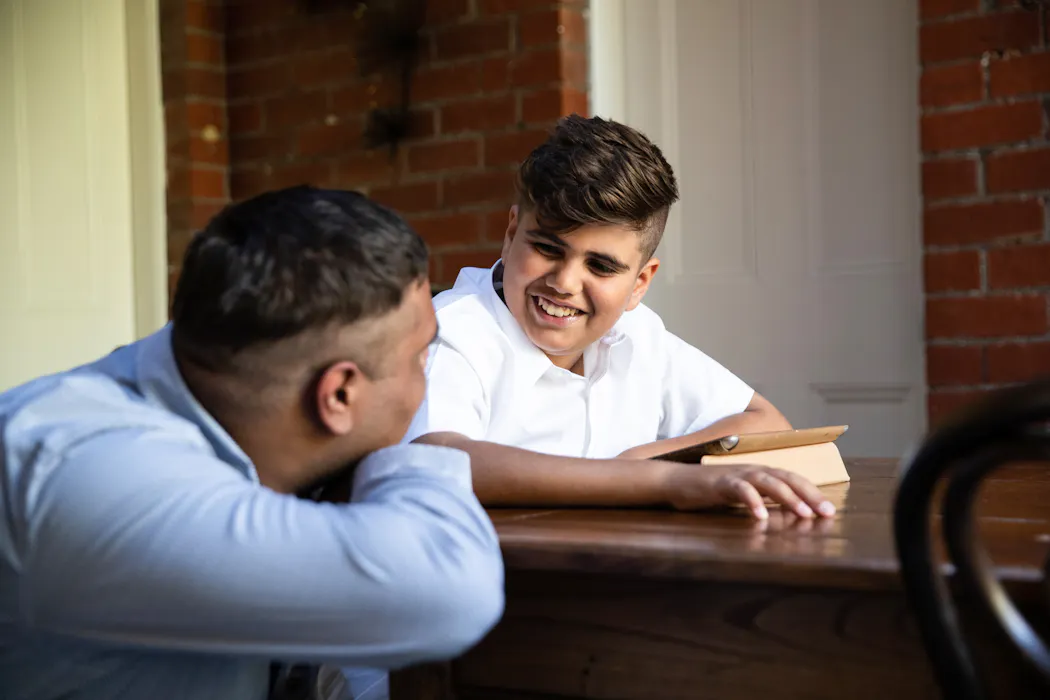
The Coalition is signalling it wants to see more disadvantaged Aboriginal students go to private schools.
In a recent speech outlining his approach to education, opposition spokesperson for Indigenous Australians, Julian Leeser, said he wants to see “transformation through school education”.
As part of this, he pointed out how the retention rate of Indigenous students who go on to Year 12 is far higher in private schools than in government schools.
In separate comments to The Conversation this week, he also noted, “my view is pretty simple: we should look at what works and roll it out more broadly”.
I have spent more than a decade researching the experiences of Aboriginal and Torres Strait Islander young people who attend private schools, particularly boarding schools. We need to be careful about making assumptions about what works.
What is the Coalition saying?
In his speech, Leeser noted how in 2025, the retention rate across all school types from Year 7 through to Year 12 was 83% for non-Indigenous students. The rate for Indigenous students was 59%.
He noted how retention for Indigenous students was much higher for those who went to private schools, at 91.4%. It is also higher than the retention rate for non-Indigenous children in private schools (90.2%) and government schools (77.6%).
Leeser asked: “what is it that the non-government schools are doing that is so successful?”
Leeser stressed how the private system has more autonomy and flexibility than their government counterparts. He also pointed to private schools that have opened campuses on Country as well as the importance of philanthropy.
In follow-up comments to The Conversation, he added:
In some communities education on Country works brilliantly, but for others boarding school is a great option.
What are we measuring here?
The figures Leeser is talking about relate to school retention. This estimates how many students stay enrolled across a cohort. It does not track individuals, it can exceed 100%, and it says nothing about who actually finishes.
For example, if 100 students were enrolled in Year 7 in non-government schools in 2020, and 105 students are enrolled in Year 12 in non-government schools in 2025, the apparent retention rate is 105%.
This figure does not tell us who graduated, what their school experience was like, or what they did next in life.
The measure that counts completed schooling – Year 12 attainment – shows young Aboriginal and Torres Strait Islander adults still trail their non-Indigenous peers by more than 20 percentage points. We don’t have a breakdown of private school versus public school attainment.
Who is going to private schools?
The private school figures look impressive. But they are likely to reflect a handpicked, more advantaged group of students who tend to be accepted into private schools.
We know scholarship programs tend to privilege Aboriginal students who are already academically successful, socially stable, and viewed as “likely to succeed”. This effectively produces a selective recruitment process rather than universal educational access.
These are not necessarily the remote or disadvantaged young Indigenous people the Coalition is proposing to enrol in private education.
How do we count success?
When we talk about private education for Indigenous students, we are often talking about boarding schools in cities or big regional areas, most of which have small numbers of Indigenous students.
Studies on boarding school outcomes tend to judge a student by where they ended up: did they finish?
But for Aboriginal families, success also means connection to Country, to kin, to language and culture. Measuring a child by a completion rate, and treating leaving Country as the acceptable price of a good education, misreads Aboriginal lives.
Indigenous young people know this better than anyone. To inform my 2023 review of boarding school research, I yarned with Indigenous boarding school graduates who then went to university (and so might be deemed “success stories”). They still described cultural isolation at school. As one told me, “just because we’re all BLACK doesn’t mean we’re the SAME”. Asked whether he would send his own children to do what he did, one answered: “probably not, if it was the same.”
We also know there have been issues with children’s safety living far from home. In some circumstances, Indigenous children live in student hostels) near their private schools. In 2024, one hostel was closed following reports of inadequate care and abuse of students. While research on the topic is growing, the longer-term impact of boarding on Indigenous children also remains largely unknown.
There is a better model
None of this is because Aboriginal students do not value school. As colleagues and I have previously found, Indigenous students want to finish Year 12 as much as their non-Indigenous peers, and sometimes more.
What they lack is equal support: reliable internet, culturally responsive teaching, and teachers who build relationships. The gap is a resourcing gap, not an aspiration gap.
Boarding exists in the first place because senior high schooling is simply not offered in many remote communities. This hands families an impossible dilemma: send your child away, or forgo their education.
What works?
There is a better model.
Leeser has singled out Dhupuma Barker as a success story. This is an Arnhem Land private school, connected to Sydney’s Barker College. It teaches the Australian Curriculum and traditional Yolŋu teachings and language. This works for students because it is on Country – not because it is private.
If we are serious about closing the gap, the lesson is to resource education on Country and under community control. We also need to measure success the way families do: not only who finishes Year 12, but who can meet their educational goals while maintaining strong connections to their families and cultures.

Jessa Rogers receives funding from the Australian Research Council as a DECRA Fellow.
Original source: https://analysis1.mil-osi.com/2026/08/13/the-coalition-wants-to-see-more-indigenous-students-go-to-private-schools-is-this-a-smart-idea/