

Source: The Conversation (Au and NZ)
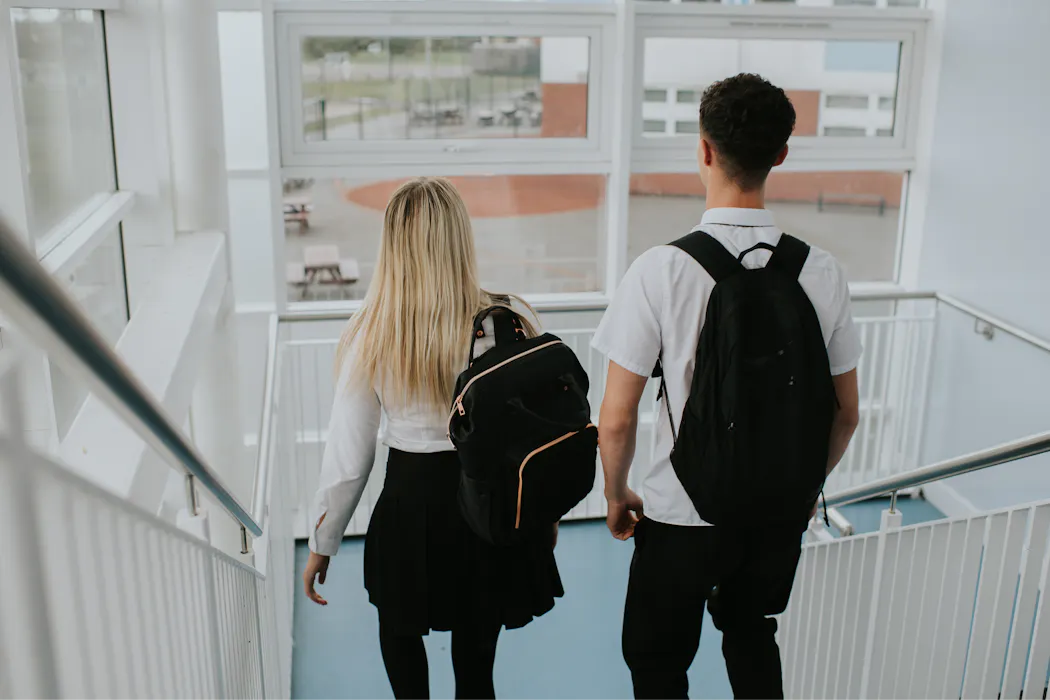
Starting high school can be an exciting time. Students meet new people, study new subjects and gain more independence. But for many, high school can also feel harder to manage.
The Institute for Educational Reform reports about one in three Victorian students in years 7 to 9 show signs of disengagement from school. This can include patterns of student absences, drops in students’ willingness to learn, and a disconnect between students and their broader school community.
So why are the first years of secondary school so difficult?
This is what our research, published by the Journal of Child Psychology and Psychiatry in May, says.
Our research
There is a lot going on for young people as they start Year 7. As well as starting high school their bodies and brains are going through big transitions as they move into adolescence.
In our research, we set out to understand whether school disengagement was caused by the developmental changes that come with early adolescence or the transition to high school.
A 2022 education reform in South Australia gave us a rare opportunity to better tease apart the effects of growing older from the effects of changing schools.
Before 2022, in South Australia, students generally started secondary school in Year 8. In 2022, the reform moved the starting point to Year 7. This meant two groups entered secondary school in the same year: one group in Year 7 and one in Year 8.
This was factored into data from more than 20,000 students who took part in an annual South Australian survey. The responses we looked at were from students transitioning from primary to secondary school.
Students answered questions about their happiness, optimism, life satisfaction, their ability to manage emotions, sadness, worry, perseverance and cognitive engagement. We tracked these wellbeing metrics from 2019 to 2025.
Here, cognitive engagement refers to students’ persistence with classroom tasks, ability to generate ideas, and positive attitudes towards learning.
What we found
We found students’ wellbeing worsened across all eight areas in the two years after they entered high school. The largest falls were in cognitive engagement and perseverance, which fell by around 11% and 8% respectively during these years.
This means students were less likely to work hard, to keep going when work became difficult or to try another approach when they became stuck. Happiness, optimism, life satisfaction and emotional regulation also fell during this period, while sadness and worry increased.
These declines in wellbeing continued for more than two years after students moved to high school. The pattern started to level off in the third year after moving. But students did not return to their pre-transition levels of wellbeing throughout the remainder of their high school years.
Other findings
Importantly, student wellbeing remained stable in both the Year 7 and Year 8 groups before the transition to high school. However, both groups showed similar declines after starting secondary school following the 2022 reform. Overall, the Year 8 group’s wellbeing worsened by around 3-8% after starting high school, while the rate for Year 7s was around 4-10%.
Because the two groups were different ages but experienced similar declines when they entered secondary school, the findings suggest the transition itself played a larger role in the decrease in students’ wellbeing and engagement than age alone.
Our findings also showed girls experienced larger declines in all wellbeing and engagement domains than boys. Students living in remote areas also showed longer-lasting declines in all areas, continuing into the third year after high school transition.
What’s causing the decline?
When transitioning to high school, students have to adapt to a range of new challenges. These include navigating larger campuses, more complex timetables, greater academic competition and increased responsibility for managing schoolwork and daily routines. If students are not yet equipped with the organisational and study skills to meet these demands, they may lose confidence in their abilities, become less motivated, and find it harder to stay engaged with learning.
At the same time, many students are leaving friends and familiar teachers from primary school behind. This means they have to build new friendships within an unfamiliar social environment. These disruptions may weaken their sense of belonging at school and contribute to feelings of anxiety and loneliness.
How to improve engagement
Helping students to develop practical learning skills, such as planning schoolwork, setting goals, breaking large tasks into smaller steps and trying a different strategy when they get stuck, may help them feel more confident and capable as they adjust to the demands of high school.
Research also suggests stronger links between primary and high schools could help with transition. With families’ consent, information sharing between primary and secondary schools can build a more complete picture of each student’s learning strengths, support needs, friendships and any other concerns that may affect their adjustment. This should be a two-way process in which students and families have regular opportunities to share their experiences and concerns.
Many schools already provide orientation days, school tours and buddy programs to help students settle in. But our research shows students also need support that continues well beyond the first days or weeks of high school.

Dot Dumuid receives funding from the National Health and Medical Research Council, Australian Research Council and Medical Research Future Fund.
Mason Zhou does not work for, consult, own shares in or receive funding from any company or organisation that would benefit from this article, and has disclosed no relevant affiliations beyond their academic appointment.
Original source: https://analysis1.mil-osi.com/2026/08/06/one-in-three-students-in-years-7-9-show-signs-of-school-disengagement-whats-causing-it/