

Source: The Conversation (Au and NZ)
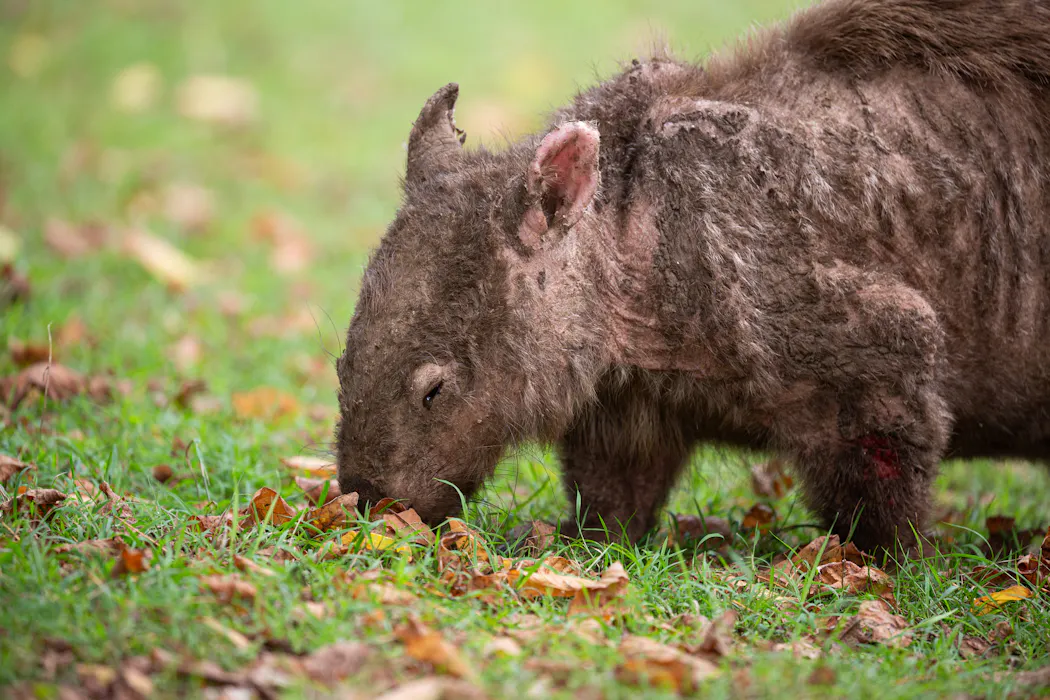
Constant scratching, bumpy skin and tufts of lost fur.
Those are just some of the signs an animal has scabies, a severe and potentially fatal skin disease caused by tiny mites (Sarcoptes scabiei) that burrow into skin.
In humans, scabies most commonly presents as an itchy skin rash. Just this month, an outbreak of a highly infectious form of scabies shut down an entire hospital ward in the United Kingdom.
When this disease affects animals, it is called sarcoptic mange. Mange mites can infest 148 mammal species, including Australia’s much-loved bare-nosed wombat (Vombatus ursinus).
Early detection is key to treating affected animals. However, our new research reveals current diagnosis and treatment methods are not always up to scratch.
A debilitating disease
Sarcoptes scabiei mites infest animals by digging through layers of skin and creating a burrow, where they lay eggs and leave waste.
This triggers the skin’s immune system, causing skin to become red and itchy. It can also lead to rashes and flaky cracked skin, often referred to as crusted scabies.
In animals, mange spreads through direct contact, such as when animals socialise, mate or even fight. Mites may also move between animals that share burrows, dens or nests.
Animals with mange often scratch until their skin cracks, leaving them more exposed to bacterial infections. At that point, crusts can form around their ears and eyes that make it harder for them to see and hear. They can also rapidly lose weight and strength, and some ultimately die.
Which animals are most vulnerable?
Major mange outbreaks have decimated Spain’s Iberian ibex (Capra pyrenaica) population, as well as kit foxes (Vulpes macrotis) and black bears (Ursus americanus) in the United States.
In Australia, mange is worryingly widespread among bare-nosed wombats (Vombatus ursinus), with the disease affecting roughly 70% of the population. The disease also affects koalas (Phascolarctos cinereus), quenda or southern brown bandicoots (Isoodon fusciventer), red-necked wallabies (Notamacropus rufogriseus) and Tasmanian devils (Sarcophilus harrisii).
Overseas, severe mange outbreaks threaten to wipe out whole populations of vulnerable species. Examples include the critically endangered red-ruffed lemur (Varecia rubra) and the threatened reticulated giraffe (Giraffe reticulata), mountain gorilla (Gorilla beringei beringei) and cheetah (Acinonyx jubatus).
These populations tend to be small, isolated and less genetically diverse. They are also under threat from climate change. As a result, these animals tend to have weaker immune systems and are more susceptible to mange and other diseases.
What we studied and what we found
In our new study, we examined all the methods scientists have used to diagnose mange over the past 30 years. This allowed us to identify which techniques would be most effective in remote field settings.
These techniques can be separated into two broad categories.
Non-invasive
Non-invasive methods rely on observation, rather than catching or holding an animal. Scientists can observe animals using their eyes or with tools such as binoculars and camera traps. Infra-red cameras and spotlights are especially useful at night. However, diagnosing mange from a distance is difficult. An animal might seem healthy when observed through binoculars or camera traps. That’s because signs of mange aren’t obvious during the early or mild infection stage.
Read more:
Mangy marsupials: wombats are catching a deadly disease, and we urgently need a plan to help them
Invasive
Invasive methods require an animal to be physically restrained so scientists can collect and check skin samples for mange mites. This typically involves using a sterile surgical scalpel to scrape an animal’s skin. However, invasive methods can cause extreme stress to animals, and some only work in a specialised lab environment.
Of all the methods we studied, visual observation was the primary way scientists diagnosed mange in remote areas. It was widely used as a diagnostic tool in 141 of the 228 studies we analysed and in more than 25 countries worldwide, including Australia, Spain and the United States. This is because it is economical, easy to do and highly effective at diagnosing animals with severe mange infections. Skin scraping was the second most common method.
Read more:
2 biggest threats to wombats revealed in new data gathered by citizen scientists
Our study shows non-invasive techniques such as spotlighting and setting camera traps provide a big picture view of how widespread mange is. For example, in Spain’s Alt Pirineu National Park, researchers examined the images from 86 randomly placed cameras to visually assess red foxes. They found a large proportion of foxes showed obvious mange lesions, suggesting the disease was widespread in that population.
However, lab-based techniques are more accurate. One study of bare-nosed wombats found examining skin scrapings led to more accurate mange diagnoses than visual observation alone.
Combining forces
We recommend researchers and conservation groups combine both approaches: start with non-invasive methods to check the overall health of a population and then, if needed, use invasive methods to test a handful of animals with signs of mange.
To support conservation efforts, we must also invest more in population health and monitoring. This includes citizen science projects such as WomSAT, which relies on public reports to track the size, health and activities of Australia’s wombat population.
Mange threatens the very survival of the bare-nosed wombat and other iconic species. But by combining effective diagnosis with proactive monitoring efforts, we can protect our wildlife from this debilitating disease.
Read more:
What we’ve learned from citizen science: 5 projects that made a difference

Hayley Stannard receives funding from the Australian Research Council.
Chandni Sengupta and Julie Old do not work for, consult, own shares in or receive funding from any company or organisation that would benefit from this article, and have disclosed no relevant affiliations beyond their academic appointment.
Original source: https://analysis1.mil-osi.com/2026/07/30/scabies-can-kill-animals-like-the-beloved-wombat-whats-the-best-way-to-diagnose-it/