

Source: The Conversation – USA (2)
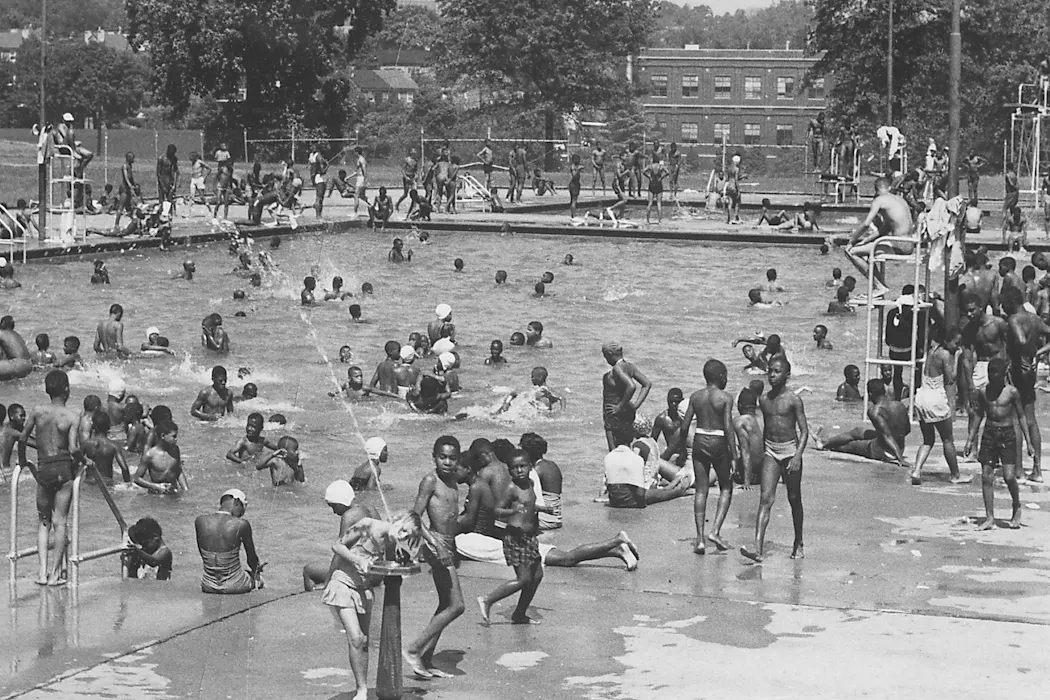
I first encountered her when my sister and I visited an exhibit at the Fairmount Water Works in 2022 that was called: “POOL: A Social History of Segregation.”
In the black-and-white photograph, a young Black woman named Inez Robie Patterson appeared to be captured right before she dived off the side of a pool wall. Her triceps were flexed, arms straight back with palms facing the ceiling. Her knees were bent, and her toes touched a thin, black-tiled line on the pool deck. Her hair was neatly covered in a white swim cap. Her eyebrows were beautifully thick, and her mouth formed a slight smile. Her white swimsuit had a lifeguard corps insignia, signaling her expertise in water safety.
As a Black woman, swim instructor, lifeguard and lifelong swimmer, I found myself drawn to her. My doctoral research in African American literature, history and environmental thought led me to study what I call Patterson’s “aquatic life”: the written and photographic record of her relationship to swimming.
I wanted to know: Who was this beautiful Black mermaid, and why was swimming so vital to her? How had she lifted her community?
I waded through the digital archive of The Philadelphia Tribune, the city’s oldest historically Black newspaper, to find out.
A role model for Black girl swimmers
Born in Chester, Pennsylvania, in 1911, Patterson’s love of sports began at an early age.
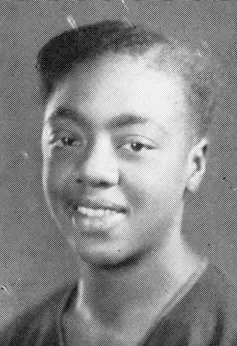
Courtesy of the Special Collections Research Center. Temple University Libraries. Philadelphia, PA.
As a girl, she excelled in hockey, basketball, and track and field. As a teenager at West Philadelphia High in the mid-1920s, she sharpened her swimming skills and entered a swim meet at the McCoach Recreational Center – now the Marian Anderson rec center – in South Philadelphia in September 1927. According to The Philadelphia Tribune, she took home six first-place finishes: in the underwater swim, the side stroke, the standing front dive, the running front dive, the swan dive and the front somersault.
Camaraderie was a priority for Patterson. Wherever I encountered her in the archive, whether walking through the Fairmount Water Works exhibit or reading old issues of the Tribune, she seemed to be looking forward to the progress being made by Black girl swimmers and the community they formed and shared in the water.
A young sports columnist on a mission
At 18 years old in 1929, Patterson started her Girls in Sports news column in the Tribune, where she encouraged other Black girls to join her in the pool. Although she feared that Black girls in West Philadelphia had little interest in swimming, she soon learned her community had “some young aspirants that show bright prospects in the swimming world.” In October 1929, she wrote: “I want to compliment these ‘little girls’ on their success and I hope they will continue in this comparatively new sport for women.”
In other editions of Girls in Sports, Patterson encouraged the Black West Philadelphia community to attend local swim meets and support the girls as they make “wonderful showings” in the water.
She also made a convincing case directly to Black girls in West Philly:
“There are many reasons why you should join … first of all you have the honor of being a member of the first ‘Colored Swimming Club’ in West Philly High, second, you will learn to swim if you are a beginner, and if you are advanced you will learn life-saving; third, you will develop yourself physically and add another popular sport to your list, and fourth, you can gain athletic credit.”
Reading her column, I imagined what it must have felt like to have been a teenage Black girl speaking directly to other Black girls and carving out space for the first “Colored Swimming Club” at West Philadelphia High.
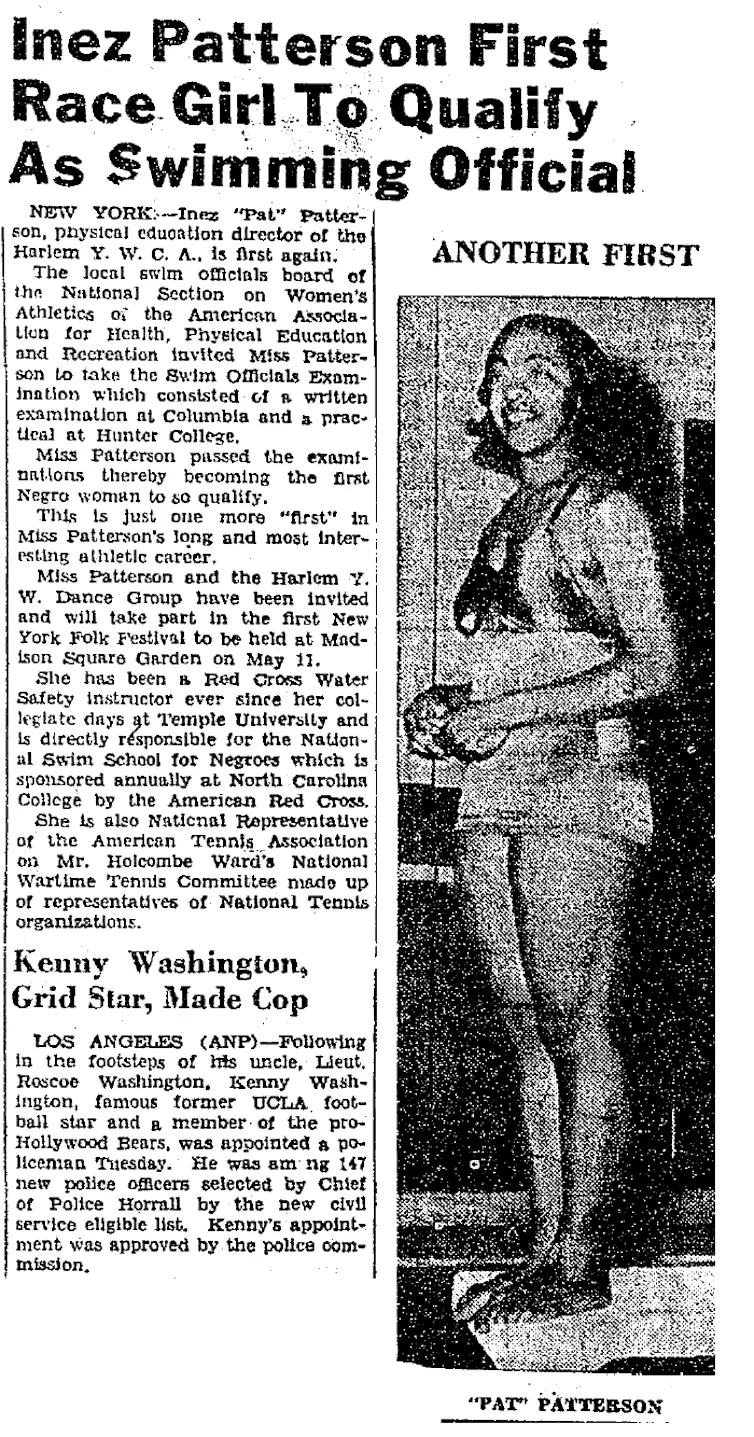
Photo courtesy of the Philadelphia Tribune Media Group
Integrating Temple University’s swim team
After graduating high school, Patterson went on to integrate Temple University’s women’s swim team. She refused to swim during the hourlong “colored” practice time. Being the only Black woman on the team, she insisted on swimming whenever her white teammates swam and being “too busy” to swim during the segregated hour.
“Up to this time, no colored girls had taken part in any swim meets (at Temple),” Patterson told the Baltimore Afro-American in 1934 about her experience at the university. “The purpose of (the swim meet) was to foster intercollegiate spirit among the students so, ‘Why shouldn’t I go?’ I asked myself. Out of 500 girls present I was the only colored.”
These words demonstrate the righteous defiance in her personality and aquatic life. The pool was hers, too. Why shouldn’t it be?
Breaking new barriers
As I continued my journey through The Philadelphia Tribune archive, I learned of another local Black woman swimmer: Anne Marques Garrott.
Garrott was inducted into the Belmont-Southwest YWCA Athletic Hall of Fame in 1989 at the age of 75. An article about her induction detailed how Garrott, like Patterson, insisted upon being in the pool. She entered swim meets “wherever she traveled” and taught naval cadets how to swim at the University of Southern California, despite the pervasiveness of racism at USC against Black swimmers.
After crediting her parents for encouraging her to swim, Garrott thanked another mentor: Inez Patterson. She said Patterson “was one of the best-educated Black women I ever met” and also “a powerful swimmer (who) broke a lot of barriers.”
Inez Patterson passed away in 1944 from complications of a ruptured pelvic abscess. Though her life was cut short, she made a major impact on Black aquatic culture in Philadelphia. At 31 years old in 1942, she made history once more as the first Black woman – or what the Tribune called a “race girl” – to become a swimming official with the National Section of Women’s Athletics.
Black feminist scholar Brittney Cooper writes in “Beyond Respectability: The Intellectual Thought of Race Women” that to be a “race girl” or “race woman” was to be a Black woman “institution-builder” and “public thinker” who sought the betterment of her people in mind, body and spirit. Patterson’s aquatic life shows us how important the swimming pool was to her and the communities she served, from West Philadelphia High to Temple University, the Southwest Belmont YWCA to the YWCAs in Harlem and Jersey City.
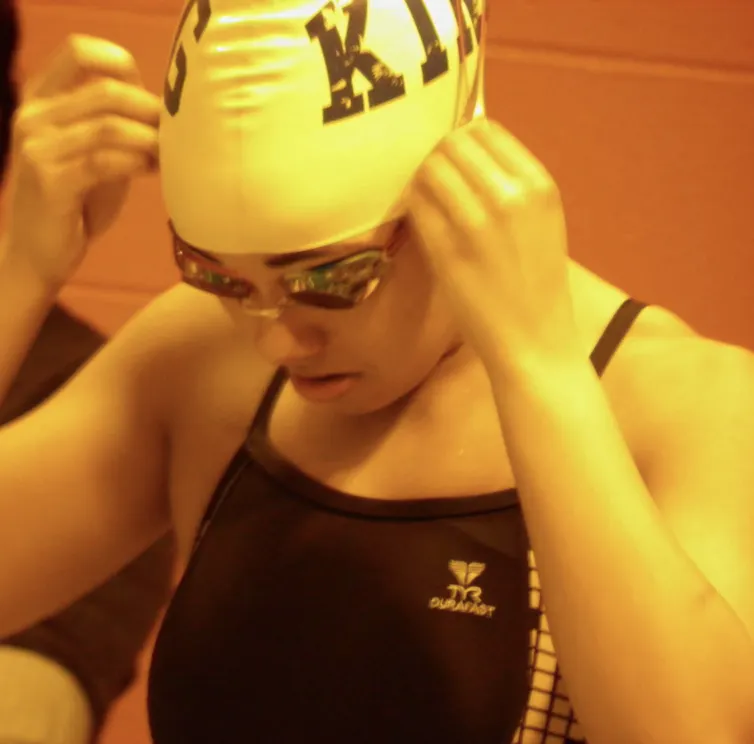
Courtesy of Samantha Adams
One hundred years after Patterson swam at West Philadelphia High in 1926, I make a routine out of waking up early to swim at my outdoor neighborhood pool in Ypsilanti, Michigan. I pull the swim cap onto my mess of curly hair and fix the goggles to my eyes. I inhale and leap into the cold water. I think of Inez Robie Patterson, and I feel gratitude for her defiant dive.
See page 45 of the POOL: A Social History of Segregation magazine for the image of Inez Patterson preparaing to dive.
Read more of our stories about Philadelphia and Pennsylvania, or sign up for our Philadelphia newsletter on Substack.

Samantha Adams does not work for, consult, own shares in or receive funding from any company or organization that would benefit from this article, and has disclosed no relevant affiliations beyond their academic appointment.
Original source: https://analysis1.mil-osi.com/2026/07/29/nearly-100-years-ago-philadelphias-inez-patterson-integrated-pools-and-encouraged-other-black-girls-to-swim-too/