

Source: The Conversation (Au and NZ)
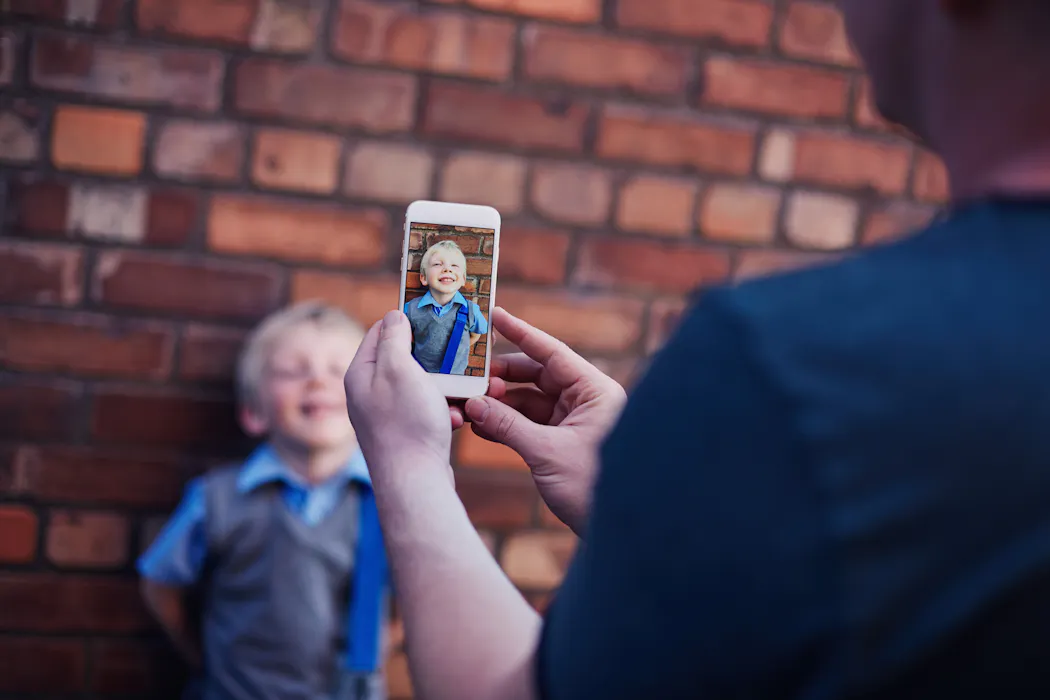
Parents, schools and clubs regularly post images of children to social media platforms and websites.
While this may support connection with family and friends, promote school or sports activities or celebrate children’s achievements, there can be unintended consequences.
In its latest advice, the eSafety Commissioner notes how the rise of AI tools has “significantly escalated” safety risks around sharing photos and videos online.
On Tuesday, the eSafety Commissioner said it had seen a rise in reports of imagery harvested from school social media accounts or websites being used in AI-generated abuse.
What role do trusted adults play in making children visible online? And what should parents think about before they post images of their kids?
What are the rules?
Legally, parents can post almost any photo of their child online and authorise others to do the same. Abusive or exploitative photos are still subject to criminal law. But an average embarrassing moment likely falls short of “serious harm” outlined by the Online Safety Act.
But while Australian privacy laws treat these photos and videos primarily as personal information (and so up to parents to decide), research increasingly recognises the situation is more complex. In an old family album, a photo records a private memory. Online, it constructs a public identity.
Policy-makers are also starting to recognise that children’s right to participate in decisions applies to images shared online, particularly as they can remain there indefinitely.
France now requires parents to involve children in decisions about how they are portrayed online. New Spanish legislation gives more weight to protecting a child’s reputation than a parent’s right to expression.
The risks need consideration
Any photo can be edited into a nude photo, circulated on platforms as cyberbullying, used for sexual extortion, or amplified to wider audiences through algorithms.
A 2026 Adelaide University study suggests AI is used in one in four cases of image-based child sexual abuse. Yet public awareness is still low. For example, a 2026 eSafety Commissioner survey found only 11% of parents had spoken to their child about how generative AI can be used or misused.
The Australian Federal Police stresses the importance of education and awareness for parents, rather than fear.
Parents can take practical steps to protect their children’s safety when posting photos. This includes avoiding school logos, street names and front doors in photos posted online, and not including children’s names, ages and school years in captions.
In its new advice, eSafety also outlines how schools can safely share images by making conscious decisions that consider risks alongside potential benefits. Who is able to see this photo? What does the photo add? Are close ups needed?
Kids say they feel powerless
It is important to take these measures seriously because the consequences could be severe. However, that does not mean they are likely. The Adelaide University survey found 6.4% of those under 18 had experienced non-consensual image sharing.
Yet there is also a more widespread form of harm: lack of consent.
The Australian Information Commissioner suggests 86% of surveyed primary school children experienced a friend or parent sharing a photo they didn’t want shared.
Children have reported these experiences cause them to feel embarrassed, powerless and misrepresented. Research with First Nations children suggests greater control over how they are represented online supports positive identity and connection.
What can you ask yourself before posting online?
There is no single rule to determine whether an image should be shared. But we can gain useful guidance from the United Nations agency for children’s advice on media coverage and the Centre of Excellence for the Digital Child’s Manifesto for a Better Children’s Internet.
Based on these, and my decade of experience making images with children around the world, these four questions guide my thinking.
1. Why am I sharing this? Who is it really for?
Parents may post in the moment without thinking much about it. Or think lots about what their photos say about them.
Maybe your child is in fancy dress for a party, and you’re proud of their hairstyle or in hysterics at how badly it turned out.
Pause and ask yourself: who is the audience? What am I hoping this post communicates, and is that more about me or my child?
Your friends having a chuckle may not be in the child’s best interests. But if the child wants everyone to see their hair, posting could support their pride. You could exclude their face as an optional precaution.
2. What is the post saying about this child?
A photo of the kids pulling funny faces at the beach may seem like a pretty average image. But what else could it say without context?
If there has been a bit of bother at school lately, and others might see a lack of seriousness. If there has been a recent ADHD diagnosis, the image may enforce the stereotype of disruption. Or maybe they’ve experienced bullying, and this is a precious reminder they have pals.
We can’t control what people think. But we can ask the child about what’s going on in their world to consider the impact on them, and clarify what we mean with captions.
3. What happens once the image leaves my hands?
This is a difficult question to answer, as we don’t always have control over what happens to something once we post it online, or know how technology will evolve in future.
Ask yourself, who can currently access, download or screenshot the image? Could it be copied, repurposed or edited?
If your child later reconsiders their consent and doesn’t want it online, do the platform’s settings allow you to delete it?
4. Does this image need to be made public, or could it be shared a different way?
Perhaps you can just message the picture to a private family chat or group with friends. Or print a copy for your child to share with theirs, or treasure themselves.

Lauri Parr receives funding from Forrest Research Foundation.
Original source: https://analysis1.mil-osi.com/2026/07/28/thinking-of-posting-pictures-of-your-child-online-ask-these-4-questions-first/