

Source: The Conversation (Au and NZ)
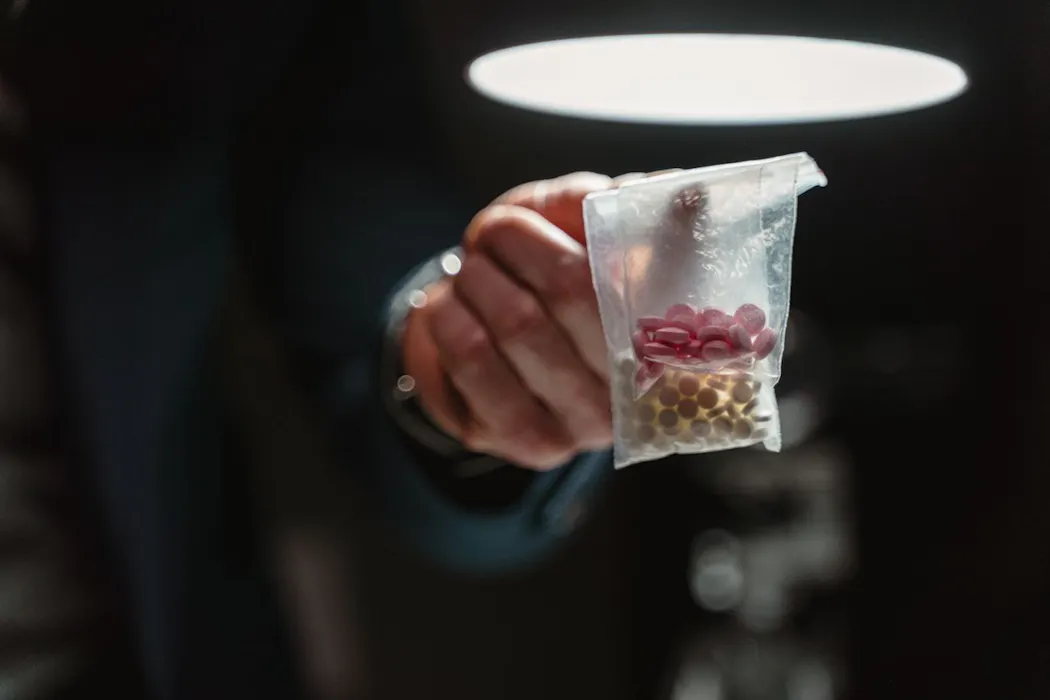
One Nation is concerned about subsidised, prescription medicines being sold on the black market, one of several examples of what it says are Medicare “rorts”.
We’ve known for years that some types of medicines on the Pharmaceutical Benefits Scheme (PBS) can be misused this way.
But it’s hard to know exactly how big an issue this is today, whether this is becoming more common, or how much it costs taxpayers.
Here’s what we know about the black market for PBS drugs.
What’s the issue?
The Australian Institute of Health and Welfare says in 2022–23 around one in 20 people in Australia aged 14 and over reported using a medicine for non-medical purposes in the past 12 months.
This could mean using a prescription or over-the-counter medicine to get high, or to build muscle at the gym, for instance.
These were most often opioids (such as oxycodone and morphine), steroids, pharmaceutical stimulants (such as ones to treat attention deficit hyperactivity disorder or ADHD), and sedatives (such as benzodiazepines).
But these statistics don’t tell us how these medicines were obtained. People might have bought them on the street, been prescribed them by multiple doctors, or by an individual doctor prescribing inappropriately. These stats also don’t tell us if people obtained these just for their own personal use or if they sold any extra to others.
People can pay a significant mark-up for those drugs on the street, and the price varies according to the drug type. According to the StreetRx database, which crowdsources the street price of pharmaceuticals, Australians tend to pay A$1–$30 per pill.
Health risks for people taking such medicines without medical supervision and/or for non-medical reasons include drug-induced death. This can mean an overdose or due to interactions with other drugs, for example.
Fortunately, deaths related to pharmaceuticals have broadly declined over recent years. However, benzodiazepines – whether taken for medical or non-medical reasons – were the most common deadly pharmaceutical.
How big is the issue?
It is difficult to get a sense of the size of the black market for PBS drugs and whether it’s increasing.
In 2023 a report commissioned by the federal government estimated Medicare fraud and non-compliance could be worth around $1.5–3 billion a year. However it did not give a dollar amount to PBS fraud. It also noted Medicare non-compliance could include everything from doctors’ unintentional billing errors to systematic fraud.
The Australian Criminal Intelligence Commission said in 2023 the non-medical use of pharmaceutical opioids, in particular, was a problem it was keeping an eye on. But it was not such a big issue as it has been in the United States, due to Australia’s tighter regulation of its pharmaceutical industry.
We also don’t have robust, up-to-date data on whether diversion of PBS drugs to the black market is a problem across Australia.
A 2018 study noted this was emerging as a profitable enterprise in regional and rural Australian communities and appeared to be escalating. But we don’t know if that’s still the case.
NSW Police noted in a 2024 report the illegal trade in pharmaceutical drugs had increased across many parts of the state. If said these medicines are commonly bought and sold in street-level drug markets, or exchanged for other illicit drugs or stolen goods. But I haven’t come across similar analyses for other states.
Where do these medicines come from?
As well as patients doctor-shopping for multiple scripts, or a single doctor prescribing inappropriately, pharmacies seem to be a source of some high-value PBS fraud.
This might include diverting PBS medicines to the black market, putting in fraudulent claims for PBS medicines, and/or living off the proceeds of crime.
For instance, in 2025 the Australian Federal Police seized more than $20 million in assets from a New South Wales pharmacist. The investigation alleged the pharmacist made false claims under the PBS with the alleged fraud valued at more than $10 million.
In Victoria, a pharmacist was sentenced in February 2023 to two years’ imprisonment after pleading guilty to submitting 76 false PBS claims. He used the stolen details of doctors, family and friends to fraudulently obtain more than $110,000. He had his registration suspended, cooperated with authorities and repaid the full amount.
In 2022, a Brisbane pharmacist charged with defrauding the PBS of nearly $2 million was ordered to repay $1.9 million. The federal police seized his houses, shares and cryptocurrency, and the District Court ordered repayment under proceeds of crime laws.
But we don’t have figures for the pharmacy sector’s role in the diversion of PBS drugs to the black market. We also don’t have details of whether pharmacy wholesalers or any other part of the pharmaceutical supply chain are involved.
What next?
The health department encourages the public, including those working in pharmacies, to report PBS non-compliance and fraud. Tip-offs might include witnessing or being asked to:
- dispense PBS medications at a different terminal to non-PBS medications
- dispense repeat PBS scripts every 21 days, without the patient requesting it
- supply PBS medications without a prescription
- generate PBS repeats where the prescriber hasn’t ordered any repeats.
In 2024 an Auditor General report found outdated IT systems increased the risk of PBS fraud. But it’s unclear whether upgrades to combat this have been implemented.
Ultimately, it’s difficult to get a sense of the black market for PBS-sourced drugs. But there’s no doubt there’s a need for more effective management and protection of the scheme’s integrity. We just don’t have a clear picture of what that might look like.

Terry Goldsworthy does not work for, consult, own shares in or receive funding from any company or organisation that would benefit from this article, and has disclosed no relevant affiliations beyond their academic appointment.
Original source: https://analysis1.mil-osi.com/2026/07/26/one-nation-is-worried-about-pbs-drugs-sold-on-the-black-market-but-how-big-an-issue-is-this/