

Source: The Conversation – UK
For many people living with obesity, newer weight-loss medicines such as Wegovy and Mounjaro have been transformative. These drugs are often grouped under the label GLP-1 medicines because they mimic hormones released after eating, helping people feel fuller and less hungry. Mounjaro, whose active ingredient is tirzepatide, also acts on another hormone involved in appetite and blood sugar control.
At a time when more than 1 billion people worldwide are living with obesity, these medicines are widely viewed as among the biggest advances in obesity treatment. But one important question is becoming harder to avoid: what happens when people stop taking them?
Evidence points to an uncomfortable answer. Many people regain a significant amount of the weight they have lost. A recent study found that, after people stopped weight-loss medications, weight and several heart health markers tended to move back towards pre-treatment levels over time. Other studies have found similar patterns after stopping semaglutide and tirzepatide.
This makes biological sense. These medicines work partly by reducing appetite and increasing feelings of fullness. People often describe this as a reduction in “food noise”, meaning the intrusive thoughts, cravings or urges around eating that can make it difficult to eat less. When treatment stops, those drug effects fade. Hunger and cravings may return. If someone then consumes more calories than their body uses, weight regain becomes more likely.
Read more:
Stopping weight-loss jabs leads to much faster rebound than thought – so are they still worth it?
This raises the possibility of a new kind of weight-loss cycle.
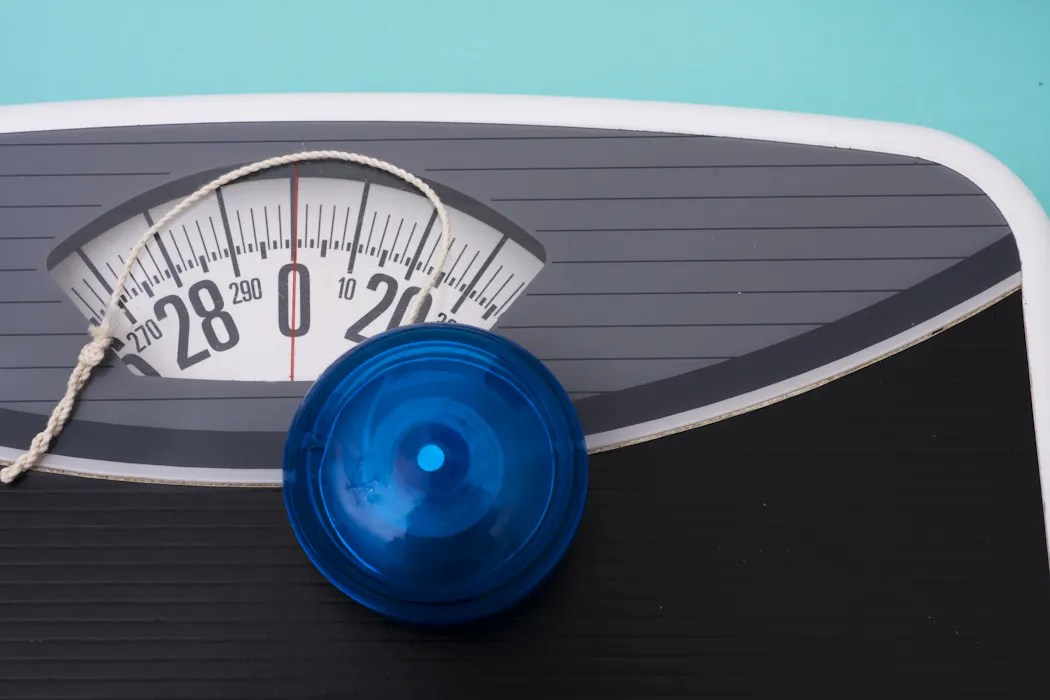
For decades, researchers and clinicians have warned about yo-yo dieting, the repeated pattern of losing weight, regaining it and trying again. A pharmaceutical version of that cycle may now be emerging.
Someone may start a medication, lose a significant amount of weight, feel healthier, then stop treatment because of cost, side effects, eligibility rules, shortages or personal choice. Over the following months, appetite returns, eating patterns change and weight begins to creep back. Faced with regained weight, they seek another prescription and restart treatment. They lose weight again. Then the cycle repeats.
This should not be read as a criticism of the medicines. They can be highly effective and, for many people, clinically valuable. The problem is the gap between public expectations and the reality of obesity management. Many people understandably hope these treatments will offer a permanent solution. But obesity is increasingly recognised as a complex and chronic health condition, influenced by biology, behaviour, environment and inequality. Long-term support for the management of weight is usually needed.
For healthcare professionals, GLP-1 treatment may be best understood as a window of opportunity. Reduced hunger can make it easier to build habits that support weight maintenance, including regular meals, physical activity, planning for times when cravings are more likely, and finding practical ways to manage them. The medication may create the conditions in which change becomes more manageable. It should not be expected to do all the work on its own.
This brings attention to a part of obesity treatment that can be crowded out by excitement about new drugs: sustained behaviour change. Appetite is important, but it is only one part of a larger picture. Eating habits, physical activity, mental health, pain, sleep, medication, income, caring responsibilities, work patterns, and the food people can easily access and afford all influence body weight.
Read more:
You’ve reached your weight loss goal on GLP-1 medications – what now?
Weight-loss medicines can make behaviour change easier by reducing hunger. They do not automatically reshape the circumstances in which people live. That may help explain why support focused on long-term habits and practical problem-solving remains important, even when medication is used. When people develop routines they can sustain, some of those changes can continue after a programme ends, although weight maintenance remains difficult for many people.
The implications extend beyond individual patients. As demand for GLP-1 and related medicines grows, increasing numbers of people may remain on them for years. For people with severe obesity or weight-related health complications, long-term treatment may be clinically appropriate. At the same time, UK regulators have warned that GLP-1 medicines should not be used for cosmetic weight loss by people who do not meet medical criteria.
If stopping treatment often leads to weight regain, some people may feel pressure to stay on medication indefinitely. Others may cycle through repeated courses, especially if access depends on private cost, NHS eligibility, supply or changing personal circumstances.
This creates a new challenge. Rather than cycling through diets, some people may end up cycling through prescriptions. Current evidence suggests these medicines are generally safe when prescribed and monitored appropriately, but population-wide use on this scale is still new. Side effects, misuse, counterfeit products and use outside medical eligibility all need careful attention.
None of this diminishes the significance of GLP-1 and related medications. They have delivered benefits that previous treatments struggled to achieve. But the next question for obesity medicine may be less about how much weight people can lose while taking them, and more about what support people need if they stop.
If long-term success depends entirely on keeping appetite suppressed by medication, the familiar cycle of losing weight and regaining it may not disappear. It may simply take a new form, linked to the prescription pad as much as the diet plan.

Oliver Hamer does not work for, consult, own shares in or receive funding from any company or organisation that would benefit from this article, and has disclosed no relevant affiliations beyond their academic appointment.
Original source: https://analysis1.mil-osi.com/2026/07/10/weight-loss-jabs-may-create-a-new-kind-of-yo-yo-dieting/