Source: The Conversation (Au and NZ) – By Rebecca Trelease, Senior Lecturer in Communication Studies, Auckland University of Technology
If you’ve spent much time on the internet, you probably know how to yell “I was rooting for you!” The clip from “Cycle 4” (iykyk) of America’s Next Top Model which aired in 2005 went uncontrollably viral.
It became a foundational reality TV meme – an enduring moment that has fed pop culture for two decades.
Now, America’s Next Top Model is back in the headlines thanks to a three-part Netflix series, Reality Check: Inside America’s Next Top Model. This docuseries is supposed to offer a “look back at the reality show’s complicated legacy”.
In reality, there’s a clear self-serving intention here.
A cultural juggernaut
Running from 2003 to 2018, each season or “cycle” of America’s Next Top Model (ANTM) follows a group of young women learning the skills of a top model. Each episode includes a task, a photoshoot and an elimination.
The series incorporated elements from other successful reality shows such as Fear Factor (with models posing in photoshoots with cockroaches, dripping in fish guts and wearing meat as clothes); Survivor (backstabbing cast mates and bitchiness) and, unfortunately, The Swan (drastic makeovers sometimes resulting in chemical burns or lengthy surgeries).
Created, produced and hosted by veteran supermodel Tyra Banks, ANTM taught millennials how to extend the neck, angle their face for the camera and “smize” (smile with the eyes).
Who is to blame?
Those who held creative power on the show deliberately distance themselves from Banks in the documentary. Banks herself participates for seemingly no other reason than to soft launch a new season after eight years off air, and boldly justify her mistreatment of contestants.
Jay Manuel, ANTM Creative Director and judge – and consultant on this new documentary – claims “reality TV is a bitch. If it doesn’t bleed and lead it doesn’t work”. This is fundamentally untrue. There are many shows that don’t rely on the “villain edit”.
As an ex-participant on The Bachelor New Zealand, I have experienced first-hand the negative physical effects of being on such a show – as well as the fear of legal persecution and financial penalties for speaking out.
Documentaries that revisit old reality shows ought to be spaces for former contestants to share their experiences. That doesn’t happen here. There is no honest critique or reflection on the part of the production team. Instead, we see producers once again exerting their own narrative to counter contestant testimonials.
Last year’s Fit For TV: The Reality of The Biggest Loser was similarly problematic. Instead of explaining, apologising and taking accountability, the crew reasserted their power by using “it was a different time” as an excuse.
Banks offers no sincere apologies in Reality Check. At one point, she describes an apology in the past tense, and it’s not clear whether it was directly given to the contestant. “I have actually apologised for the issue with Dani,” she says, regarding past behaviour that coerced 2006 contestant Dani into getting dental surgery for a tooth gap.
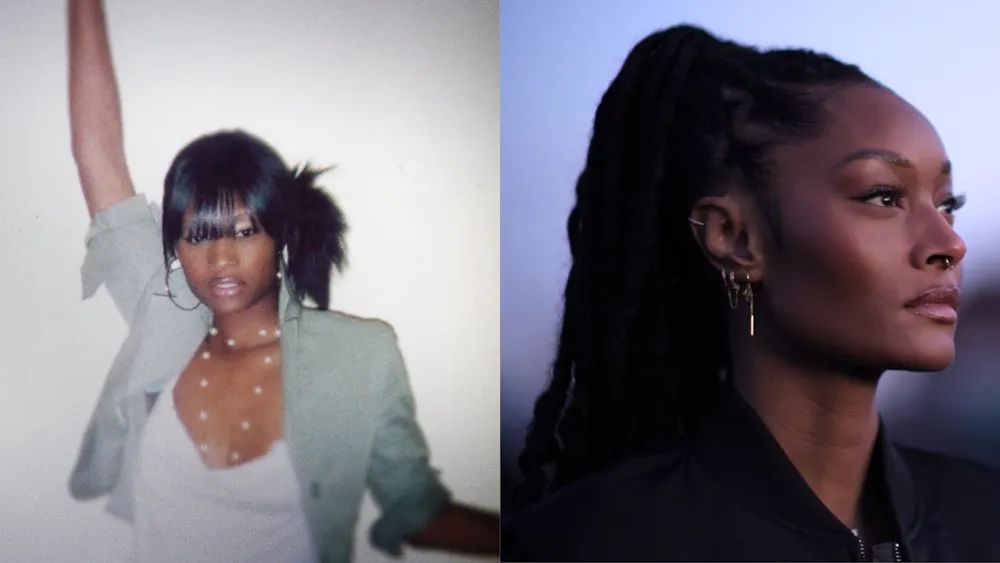
In another “apology”, Banks doesn’t refer to the victim, Keenyah, by name: “Boo Boo. I am so sorry.” Tyra had fat-shamed and lectured Keenyah in a 2005 episode after Keenyah politely called-out on-set sexual harassment by a male model.

Who, then, does Banks think is responsible for the harm inflicted on contestants?
Across three episodes, we hear “gen Z”, “social media”, viewers “that were demanding it”, co-creator Ken Mok, judge Janice Dickinson, UPN network President Dawn Ostroff, CW President Mark Pedowitz, CBS CEO Les Moonves, the fashion industry, the reality TV industry, “the culture at the time” and the contestants.
She blames everyone but herself.
Tyra Banks and lateral violence
In the documentary, Banks says her intention with ANTM was to respond to an industry that constantly demonstrated abuses of power throughout her career:
I wanted to fight against the fashion industry […] for this show to represent not all white, not all skinny, but just showing all the differences, and all the different types of beauties. I had a feeling that I was going to change the beauty world. This was my way to get back.

Whether it was her ethnicity, weight, forehead, or media-fueled rivalry with Naomi Campbell, only once Banks was “established” could she speak of her experiences of mistreatment.
Despite this intention, Reality Check shows us how, once Banks accrued her own cultural capital, she took her frustration out on contestants rather than the industry. As journalist Zakiya Gibbons, an independent voice within the documentary, points out:
Tyra wants to challenge the fashion industry’s ideals around what is beauty, but is also still upholding ideologies and attitudes that oppressed her.
What Gibbons captures here is an example of lateral violence: when someone directs their rage at their own minority group, rather than their oppressor.
ANTM became Banks’ own sub-industry in which to dole out her harshest verbal and emotional violence on Black contestants. Her chosen forms of violence included body shaming, fat shaming, coercion into medical surgery, and verbal and emotional abuse.
A public relations project
Social media now allows former reality TV participants an unfiltered opportunity to speak their truth, despite the threat of non-disclosure agreements.
In 2023, former Real Housewives participant Bethenny Frankle banded together with other ex-Housewives in a “reality reckoning” against American TV network Bravo – exposing how even non-eliminating shows are unethical.
That same year, we saw the launch of the UCAN Foundation, a support and advocacy foundation for people on reality TV.
These were steps in the right direction. Reality Check is an example of a major platform giving airtime and an opportunity for redemption to the perpetrators of violence: it’s a step backwards.
There are already accusations that former ANTM contestants were not compensated for appearing in the docuseries.
Live appearances, social media, and documentary exposé are the few remaining spaces where reality TV contestants can share experiences. They should not be reclaimed by producers.
– ref. Reality check: America’s Next Top Model docuseries never apologises for abuse of contestants – https://theconversation.com/reality-check-americas-next-top-model-docuseries-never-apologises-for-abuse-of-contestants-276167