Source: The Conversation (Au and NZ) – By Mia Cobb, Research Fellow, Animal Welfare Science Centre, The University of Melbourne
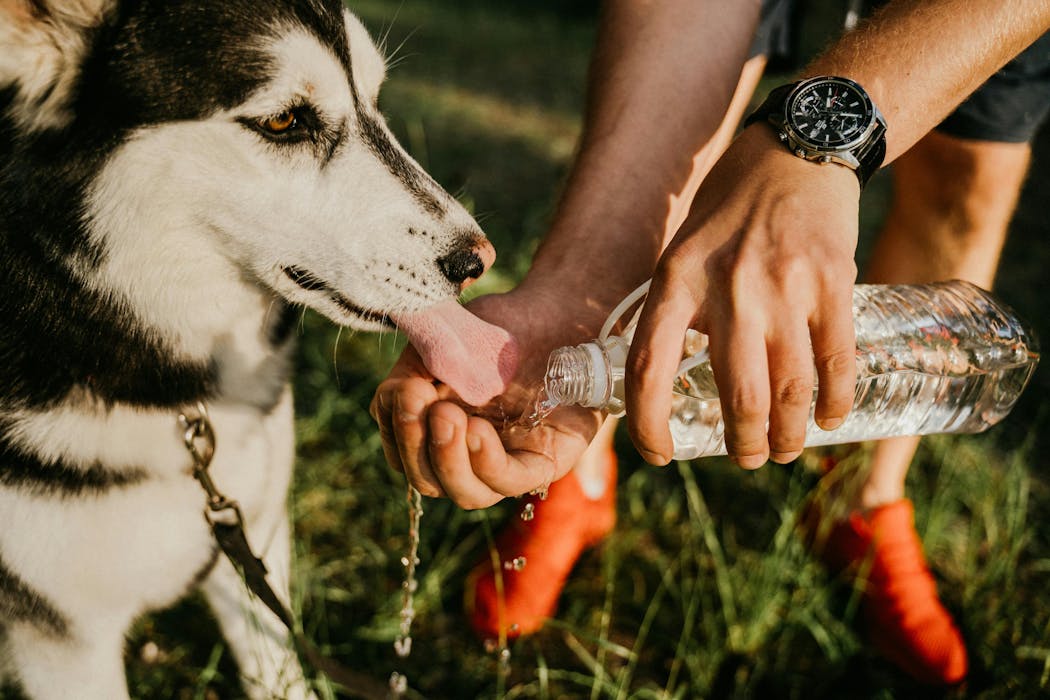
The multi-day heatwave conditions have arrived this summer, with temperatures soaring past 45°C in some regions. While we may head to shopping centres or cinemas to stay comfortable, we need to consider the heat impacts that other animals can face.
Pets, wildlife and livestock face heat stress, which can exacerbate existing health conditions and increase the risk of death if they get too hot. RSPCA Victoria received 20 reports of pets left in the dangerous heat without access to shelter or water before midday on Wednesday alone.
Heat poses real and significant challenges to animals, but you can help. Here are some useful tips on how to help animals cope when temperatures soar.
Why extreme heat hits our pets harder than us
When people get hot, we can strip off clothing and we sweat. As the moisture evaporates from your skin, you cool down. But animals such as cats and dogs can’t do this.
Dogs rely on panting to regulate their body temperature. Breathing rapidly with their mouth open helps moisture evaporate from their tongue and lining of their lungs, reducing heat. Although dogs do have sweat glands between their paw pads, these play a minimal role in cooling.
Cats are better at conserving water than cooling down quickly, a nod to their evolution from desert-dwelling ancestors. They lick themselves to spread saliva on their fur, which cools them when it evaporates. They also seek shade and reduce activity when it’s hot.
These cooling strategies can fail in extreme heat, especially if humidity is also high. Humid air reduces the effectiveness of evaporation, leaving our most popular animal companions vulnerable to heat stroke.
Heat stroke is a life-threatening condition when the body gets too far above normal temperatures and organs begin to shut down. The progression from heat stress to heat stroke can be rapid, and often fatal.
Some individual animal factors, such as having a short muzzle (think of breeds such as pugs, french bulldogs and Persian cats), being very young or old, overweight, or having a pre-existing health condition such as heart problems adds to the likelihood of pets suffering on hot days.

Wei Wu/Pexels
Less is best when the heat is on
You might think a quick walk at 30°C isn’t a risk. But for your dog, it could be dangerous.
A 2025 study from researchers at the University of Sydney showed the risk of dogs dying increased once the temperature was over 25°C, with a 10% higher likelihood of death on extreme (over 32°C) temperature days. Footpaths can retain heat even when shady, which can burn paw pads.
General guidance from a range of sources is to walk in the morning before temperatures rise, and avoid exercising your dogs outside once it’s over 28°C.
Instead of going for a walk, find cool, low activity ways to keep busy minds occupied.
An easy thing to do can be freezing some of your dog’s regular food into ice blocks (use old yoghurt or butter containers) and giving them these to lick.
Cooling down when things get hot
You’ve probably noticed your dog sprawled on the cool tiles rather than seeking out their cosy bed, or the cat drinking more water than usual.
While thinking “they’ll cool themselves naturally” is tempting, doing that can risk the lives of our precious pets.
Be aware that artificial surfaces (such as new decking and turf materials) may be hotter than their natural counterparts.
Cows and horses might seek out natural water bodies to wade in to cool down. Shallow wading pools with cool water in shady spots can be helpful options for animal companions too.
In a 2024 study, working dog researchers in the United States showed that teaching a dog to voluntarily dunk its head in water was one of the fastest ways to reduce their body temperature.
We can reduce the risk of heat stress by making sure animals have cool and shady places to choose from. Ideally, bringing them inside, away from direct sunlight, with plenty of fresh drinking water and access to fans or air conditioning is best.
The key is to offer them a range of choices and let them pick where they feel most comfortable.
Help ensure your pets are safe during this heatwave
As the global climate crisis continues to heat up, clear guidance on caring for our favourite pets – the dogs, cats, birds and fish – are likely to keep evolving.
Remember to include your pets in your fire evacuation plans, leave out water for wildlife, and never leave animals unattended in a vehicle on a warm day.
And always look out for warning signs of heat stress: excessive panting, drooling, lethargy, vomiting, collapse and bright red gums all signal heat stress indicating urgent veterinary attention is required.
If unsure, please reach out to your local veterinary team for further guidance.

Mia Cobb’s research at The University of Melbourne receives philanthropic funding from The Chaser Initiative. She chairs the Guide Dogs Victoria Dog Welfare and Ethics Committee and is a member of the joint Assistance Dogs International and International Guide Dogs Federation Dog Welfare Advisory Committee.
– ref. Pets suffer in extreme heat. An animal welfare expert explains how we can help them – https://theconversation.com/pets-suffer-in-extreme-heat-an-animal-welfare-expert-explains-how-we-can-help-them-273007