Source: The Conversation (Au and NZ) – By Amy Peden, NHMRC Research Fellow, School of Population Health and Co-founder UNSW Beach Safety Research Group, UNSW Sydney
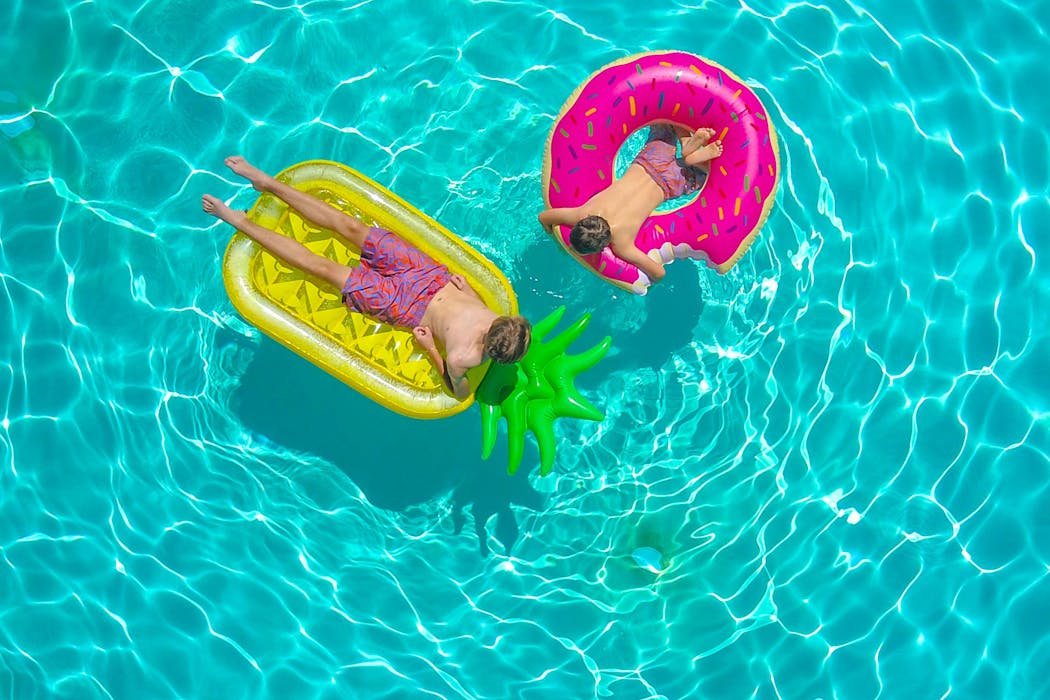
It’s summer so kids’ playdates and birthday parties might start moving from the playground to the pool.
I research how to prevent drowning. I’m also a mum of two kids living in a house with a pool. So water safety is always front of mind.
Drowning deaths are at a record high in Australia. For pre-schoolers, this often happens in backyard pools. Although school-aged children have a much lower risk it’s still important to be vigilant.
Here are some key questions to ask and things to consider before you accept an invitation to a pool party or host your own.
With these tips, you’ll be able to navigate pool safety while ensuring the kids have heaps of fun.
Not everyone knows how to swim
First, think about your child’s swimming ability. Have they learned to swim? Do you know how their ability stacks up against their peers? Check their skills against the recommended minimum national swimming and water safety benchmarks for their age.
Perhaps some top-up lessons or some intensive lessons over summer might give their skills a boost ahead of a busy swim season.
As important as swimming skills are, so too is knowing how to be safe around the water. Have you talked to your kids about water safety? Are they mindful that others may not be able to swim as well as they can and may not be comfortable disclosing this to their friends?
Have you discussed how dangerous it can be to hold each other down under the water or hold their breath to swim to the end of the pool repeatedly? It can lead to someone blacking out.
It’s also not just about drowning. Knowing about water depth, the dangers of diving into shallow water, and not running around a wet and slippery pool can help avoid injury.
It’s not just about the kids
You also have a more direct role in keeping everyone safe. If you’re hosting a playdate and planning to include a swim, have you checked with the child’s parents? Ask about children’s swimming abilities or fears.
Before everyone hits the water, discuss your pool safety rules and expectations with the kids, including your own. My kids, and their friends, are very used to my “lifeguard lectures” by now.
An important part of playing lifeguard is supervision. If your kids’ friends are weak or poor swimmers, regardless of their age, you should be in the water with them. This is usually more fun anyway.
For older kids and more confident swimmers it’s still best to supervise from a distance (maybe poolside) and be dressed ready to get into the water in an emergency.
If you’re expecting more than a couple of kids, you might need more than one adult to ensure adequate supervision (and keep your stress levels down). Ensure each person’s supervision responsibilities are clear to avoid tragic miscommunications, such as: “I thought you were looking after them.”
Have you refreshed your CPR skills lately? Does your pool have a CPR sign you can refer to? Is your pool fenced and compliant? Does the gate close and lock on its own?
What about at someone else’s house?
Are you confident in your child’s ability to swim and be safe around the pool, if you’re not there? Have the hosts asked about your child’s swimming ability and any concerns? If not, you should be proactive and flag them.
Remember that eveyone’s definition of “can swim” is different. Would the hosts mind if you stayed to help supervise?
If you’re going to do the “drop and run”, will the adults hosting be supervising?
How vigilant will they be? Will the adults be drinking alcohol?
Having the conversation early can ensure all parents involved are aligned on matters of water safety.
We’re heading to the local pool instead
Many of the same rules apply if you’re meeting up with friends for a swim at your local pool.
Conditions here are more controlled with depth markers and safety equipment. But none of this replaces good swimming skills and safe behaviours.
Although lifeguards are on hand to help should anything go wrong, they are not a substitute for active parental supervision and shouldn’t be treated as babysitters.
In fact, reports of aggression and verbal and physical abuse of lifeguards are increasing, so please be respectful and keep your cool.
Keep yourself safe too
Kids aren’t the only ones who can get into trouble in the water. Adult drownings in a variety of different waterways are also on the rise.
So if you’re hitting the pool this summer, avoid alcohol around the water. You can even be impaired the day after heavy drinking.
Older adults can also be at risk of drowning in backyard pools due to medical incidents, such as a heart attack, or accidentally falling into the water.
If you keep all these issues in mind, we can all have a safe and enjoyable summer by the pool.

Amy Peden receives funding from the National Health and Medical Research Council. Amy Peden is affiliated with Royal Life Saving Society – Australia as an honorary Senior Research Fellow.
– ref. It’s a pool party! How to stay safe around the pool with friends this summer – https://theconversation.com/its-a-pool-party-how-to-stay-safe-around-the-pool-with-friends-this-summer-268090